Water & Buoyancy · Containment & Flood Control
Inflatable Flood Barrier
挡水屏障
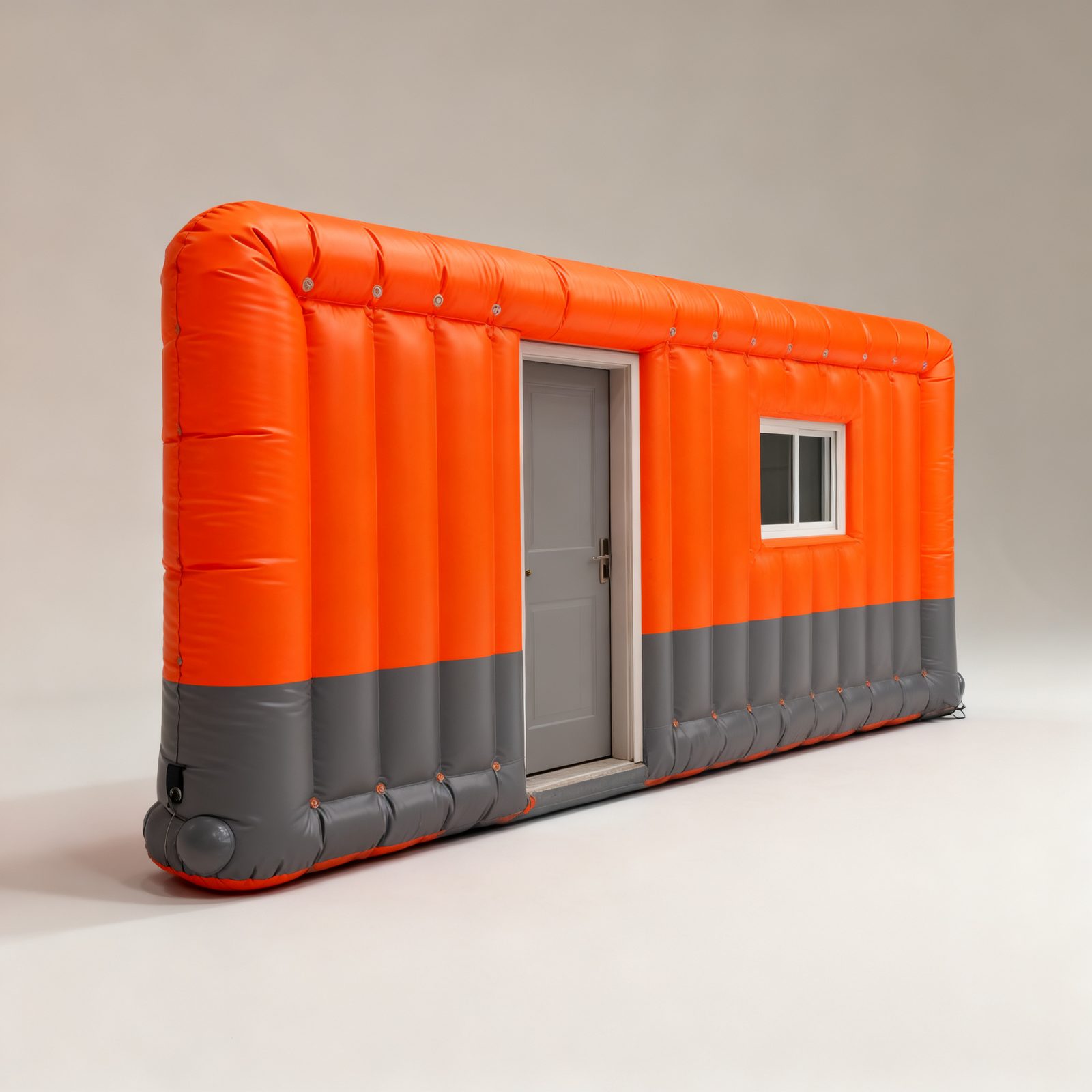
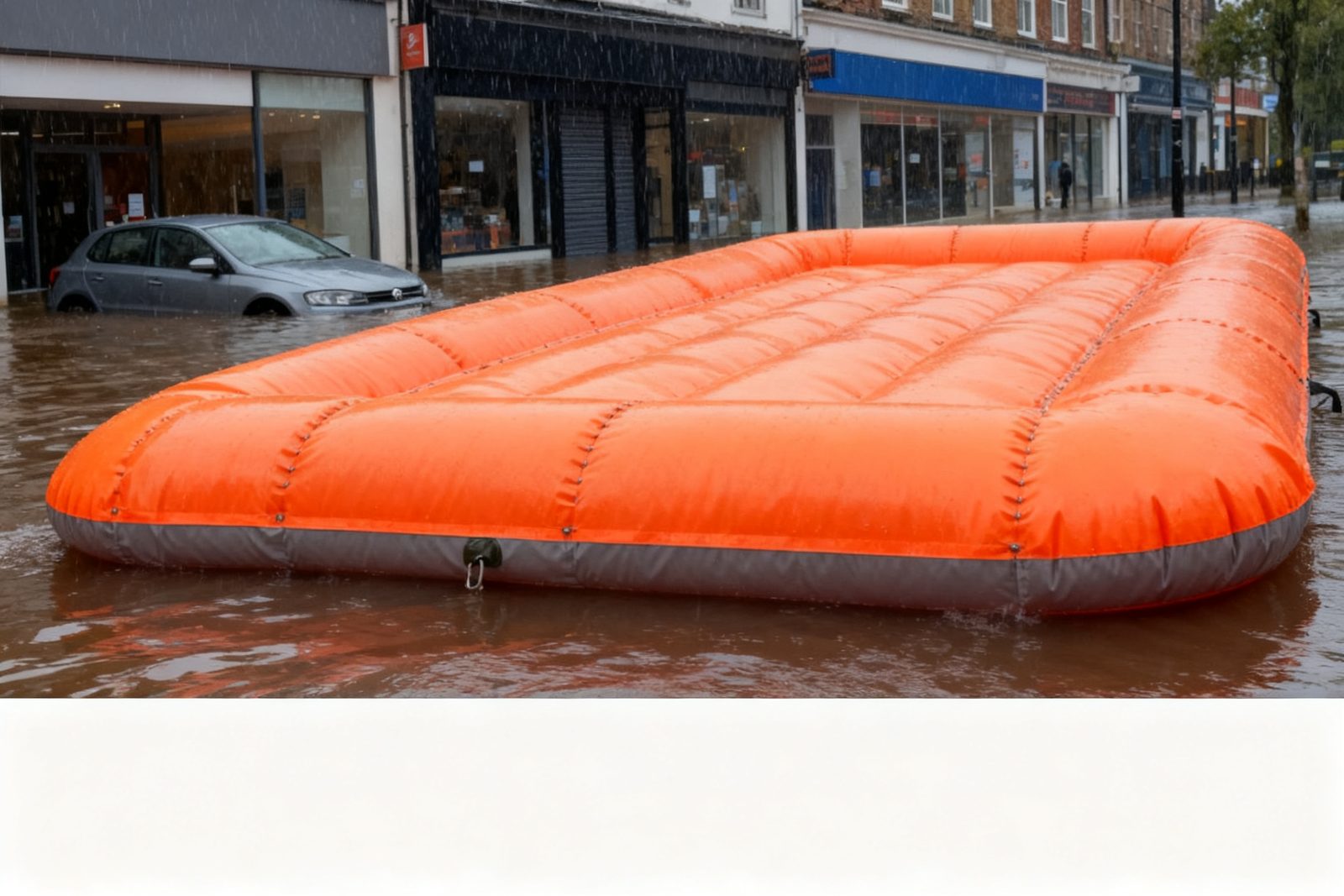
A rapidly deployed inflatable barrier that holds back flood water.
Typical use
- Protecting shopfronts and streets during a flood
- Sealing underground entrances against ingress
- Temporarily raising an embankment or bund
- Pre-positioned defence ahead of a storm
Why an inflatable structure
- Competing reusable barriers are water-filled and need a water source on site; this one does not
- Lighter in transport, so more metres fit on one vehicle
- Reusable, unlike sandbags
Where this is not the right choice
Water pressure rises with the square of height, so retained height must be backed by structural data and a real anchoring assessment for the ground you have. Exceeding the rated height is extremely dangerous.
Specifications pending supplier verification
Working pressure, membrane thickness, tensile and tear strength, weight, packed volume, deployed dimensions, fire rating and warranty are being verified with our manufacturing partner and independent laboratories. We publish figures when they are documented, not before.
Flood barriers and water control → Send the details →
Page updated 2026-10-13
Common questions
- How does a water-filled cofferdam work?
- Water pumped into the tube provides the mass that resists the flood outside it. That is why it is cheap and stable — and why it needs a water source on site before it does anything.
- How long does it take to deploy a flood barrier?
- An air-filled barrier across a doorway or ramp is minutes, limited by blower capacity. A water-filled run is limited by pump rate and length, typically considerably longer.
- Are flood barriers reusable?
- Both air-filled and water-filled types are cleaned, dried and repacked for reuse. This is the main practical advantage over sandbags, which are single-use and slow to fill.