Su ve Yüzdürme · Sınırlama ve Sel Kontrolü
Şişme Sel Bariyeri
挡水屏障
Sel suyunu tutan, hızla devreye alınabilen şişme bir bariyer.
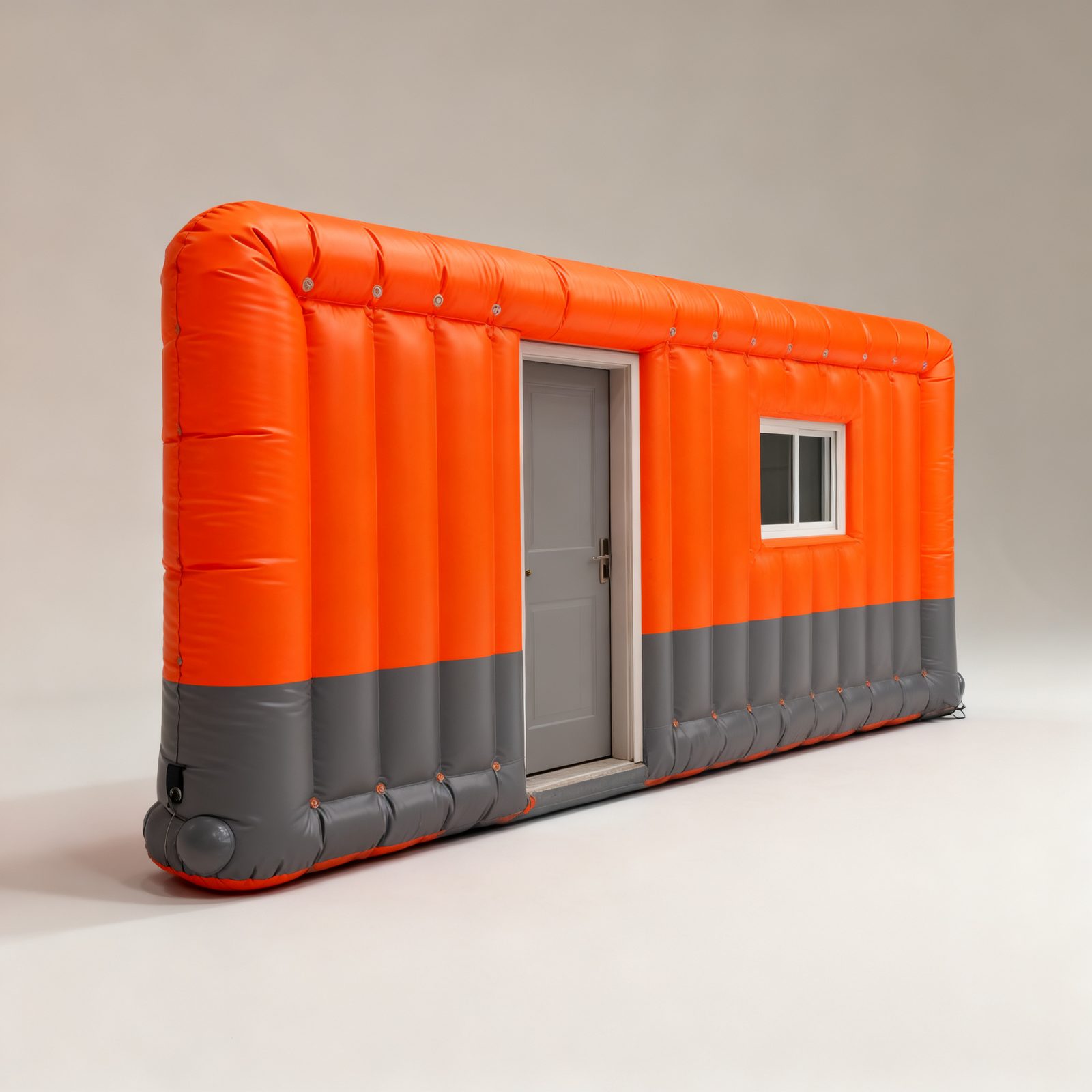
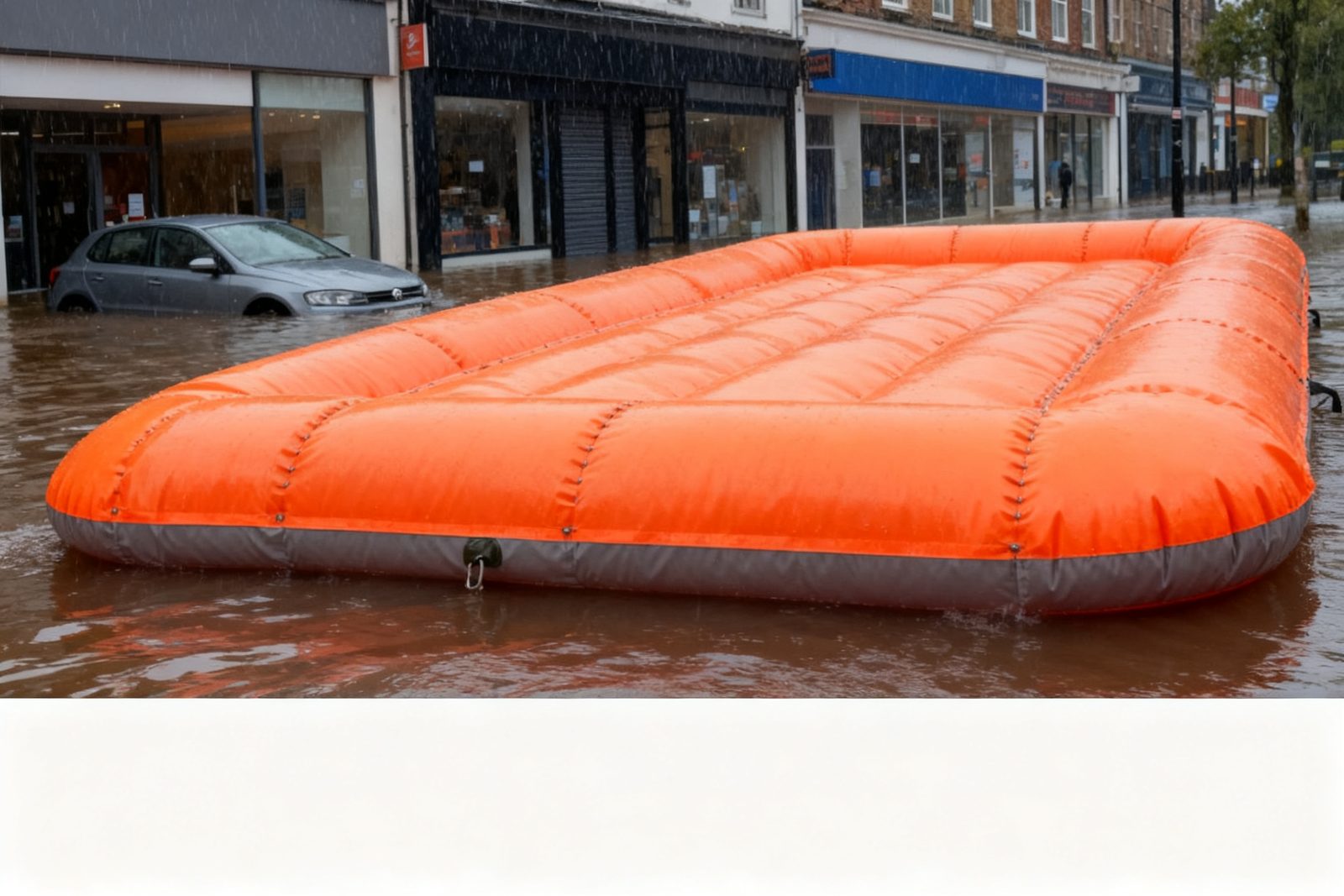
Tipik kullanım
- Sel sırasında mağaza cephelerinin ve sokakların korunması
- Yer altı girişlerinin su girişine karşı sızdırmaz hale getirilmesi
- Bir setin veya bentin geçici olarak yükseltilmesi
- Fırtına öncesinde önceden konumlandırılmış savunma
Neden şişme yapı
- Rakip yeniden kullanılabilir bariyerler suyla doldurulur ve sahada bir su kaynağı gerektirir; bu bariyer gerektirmez
- Taşımada daha hafiftir, böylece bir araca daha fazla metre sığar
- Kum torbalarının aksine yeniden kullanılabilir
Bunun doğru seçim olmadığı durumlar
Su basıncı yüksekliğin karesiyle artar; bu nedenle tutulan yüksekliğin yapısal verilerle ve mevcut zemin için gerçek bir ankraj değerlendirmesiyle desteklenmesi gerekir. Nominal yüksekliğin aşılması son derece tehlikelidir.
Teknik veriler üretici nezdinde doğrulanıyor
Çalışma basıncı, membran kalınlığı, çekme ve yırtılma mukavemeti, ağırlık, paketlenmiş hacim, kurulu boyutlar, yangın derecesi ve garanti; üretim ortağımız ve bağımsız laboratuvarlarla birlikte doğrulanmaktadır. Değerleri, belgelendikten sonra yayınlıyoruz, daha önce değil.
Flood barriers and water control → Detayları gönderin →
Sayfa güncellendi 2026-10-13
Sık sorulan sorular
- Suyla doldurulan bir koferdam nasıl çalışır?
- Tüpün içine pompalanan su, dışındaki sele direnen kütleyi sağlar. Bu nedenle ucuz ve stabildir — ve herhangi bir işlev kazanmadan önce sahada bir su kaynağına ihtiyaç duymasının nedeni de budur.
- Bir sel bariyerinin kurulumu ne kadar sürer?
- Bir kapı veya rampa boyunca hava dolu bir bariyer, üfleyici kapasitesiyle sınırlı olmak üzere dakikalar içinde kurulur. Su dolu bir uygulama pompa hızı ve uzunlukla sınırlıdır ve genellikle önemli ölçüde daha uzun sürer.
- Sel bariyerleri yeniden kullanılabilir mi?
- Hem hava dolu hem de su dolu tipler temizlenir, kurutulur ve yeniden kullanım için yeniden paketlenir. Bu, tek kullanımlık olan ve doldurulması yavaş olan kum torbalarına göre başlıca pratik avantajdır.