Water & Buoyancy · Containment & Flood Control
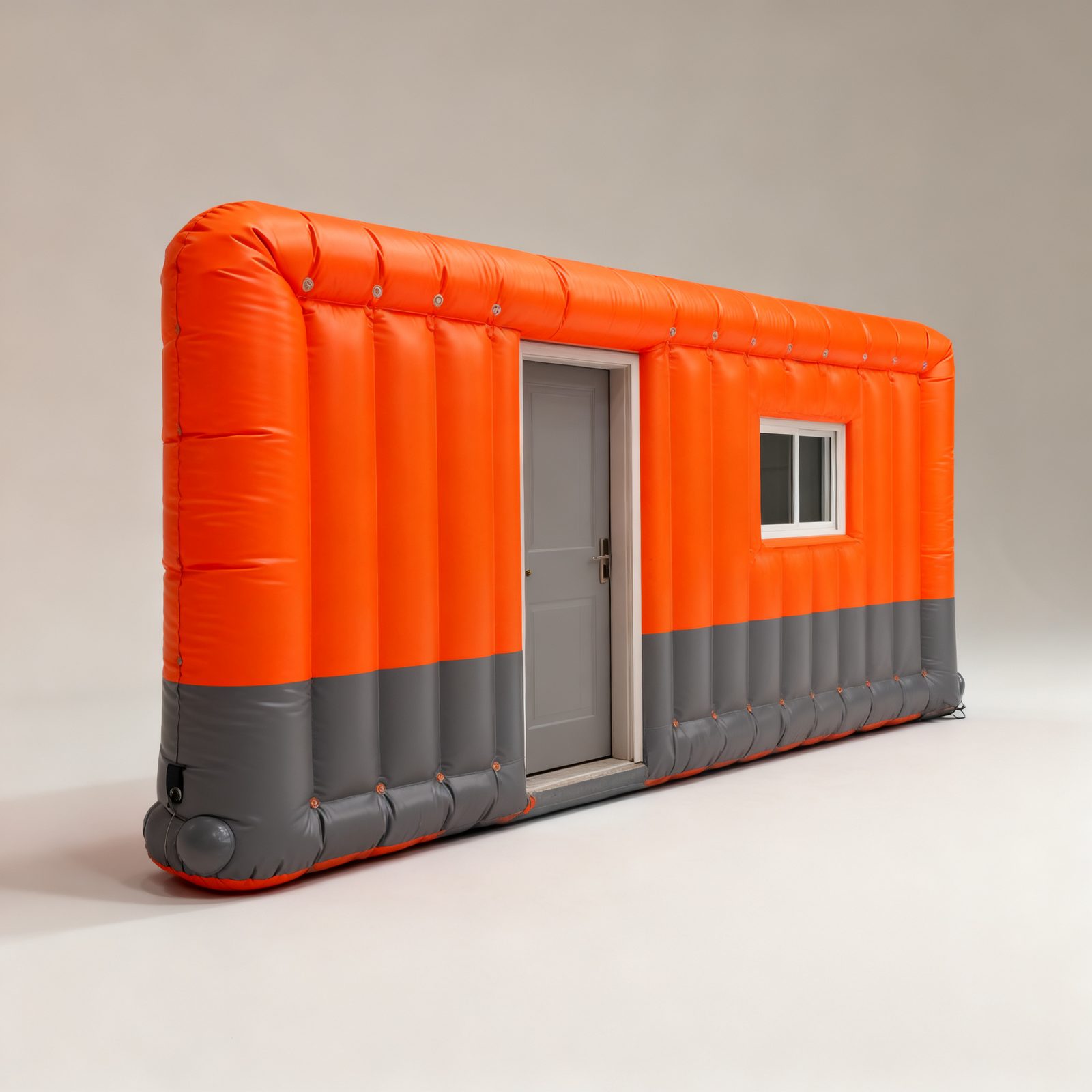
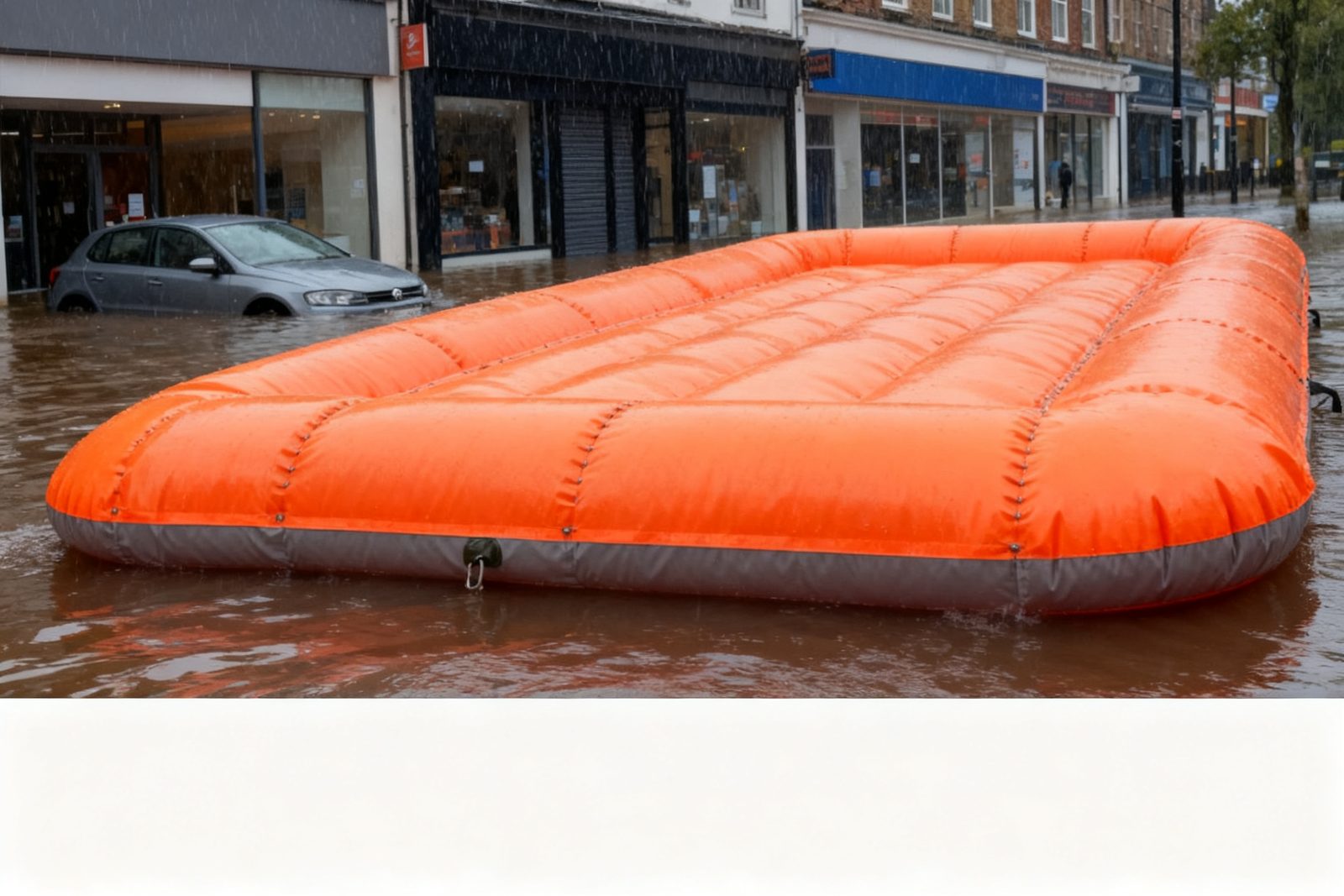
Inflatable Flood Barrier
противопаводковый барьер
A rapidly deployed inflatable barrier that holds back flood water.
Типовые сценарии
- Protecting shopfronts and streets during a flood
- Sealing underground entrances against ingress
- Temporarily raising an embankment or bund
- Pre-positioned defence ahead of a storm
Почему пневмокаркасная конструкция
- Competing reusable barriers are water-filled and need a water source on site; this one does not
- Lighter in transport, so more metres fit on one vehicle
- Reusable, unlike sandbags
Когда это не подходит
Water pressure rises with the square of height, so retained height must be backed by structural data and a real anchoring assessment for the ground you have. Exceeding the rated height is extremely dangerous.
Параметры уточняются у производителя
Рабочее давление, толщина мембраны, прочность на разрыв и раздир, масса, объём в упаковке, габариты в развёрнутом виде, класс огнестойкости и гарантия уточняются у производителя и в независимых лабораториях. Мы публикуем цифры только когда они подтверждены документами.
Flood barriers and water control → Отправить данные →
Страница обновлена 2026-10-13
Частые вопросы
- How does a water-filled cofferdam work?
- Water pumped into the tube provides the mass that resists the flood outside it. That is why it is cheap and stable — and why it needs a water source on site before it does anything.
- How long does it take to deploy a flood barrier?
- An air-filled barrier across a doorway or ramp is minutes, limited by blower capacity. A water-filled run is limited by pump rate and length, typically considerably longer.
- Are flood barriers reusable?
- Both air-filled and water-filled types are cleaned, dried and repacked for reuse. This is the main practical advantage over sandbags, which are single-use and slow to fill.