Water & Buoyancy · Containment & Flood Control
Inflatable Flood Barrier
挡水屏障
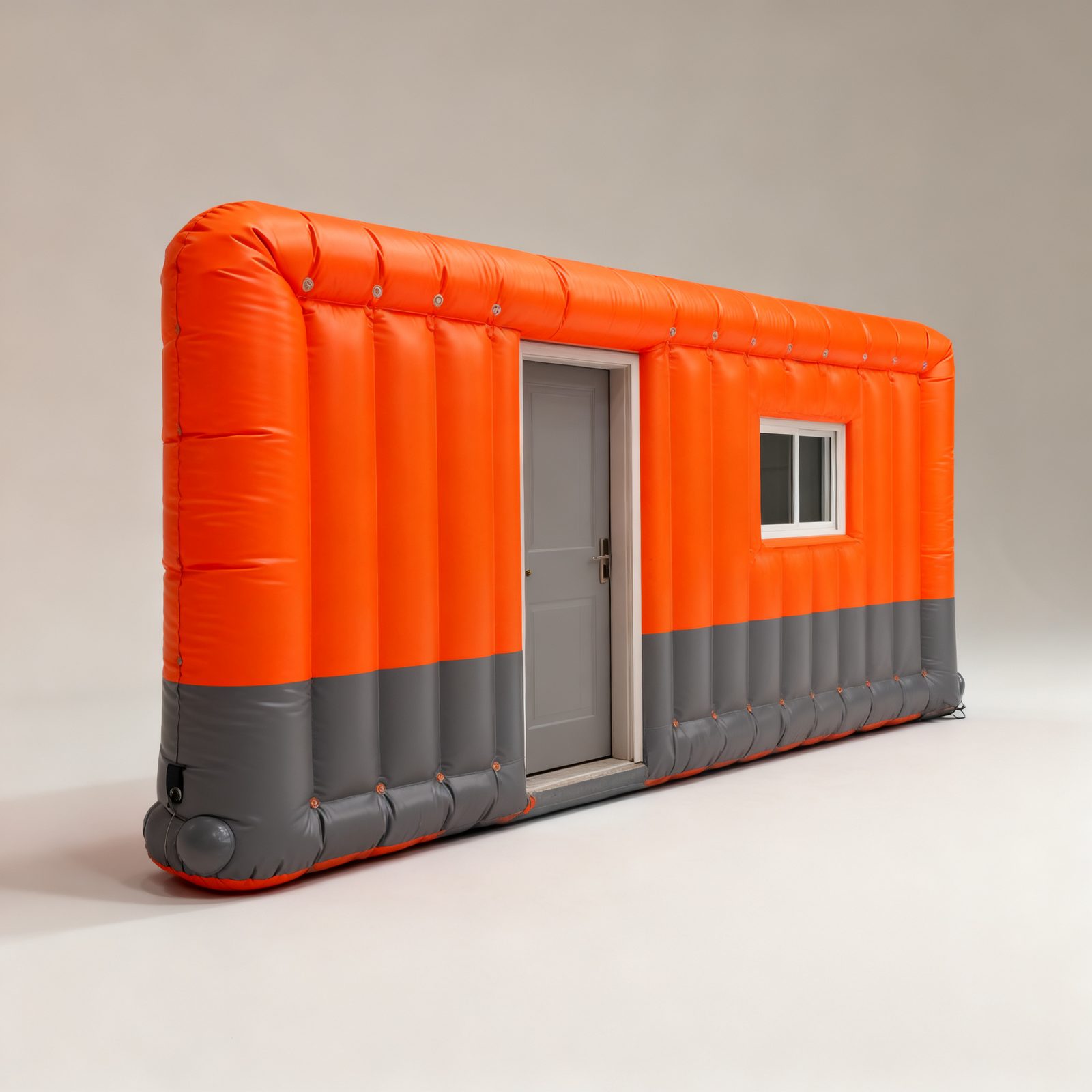
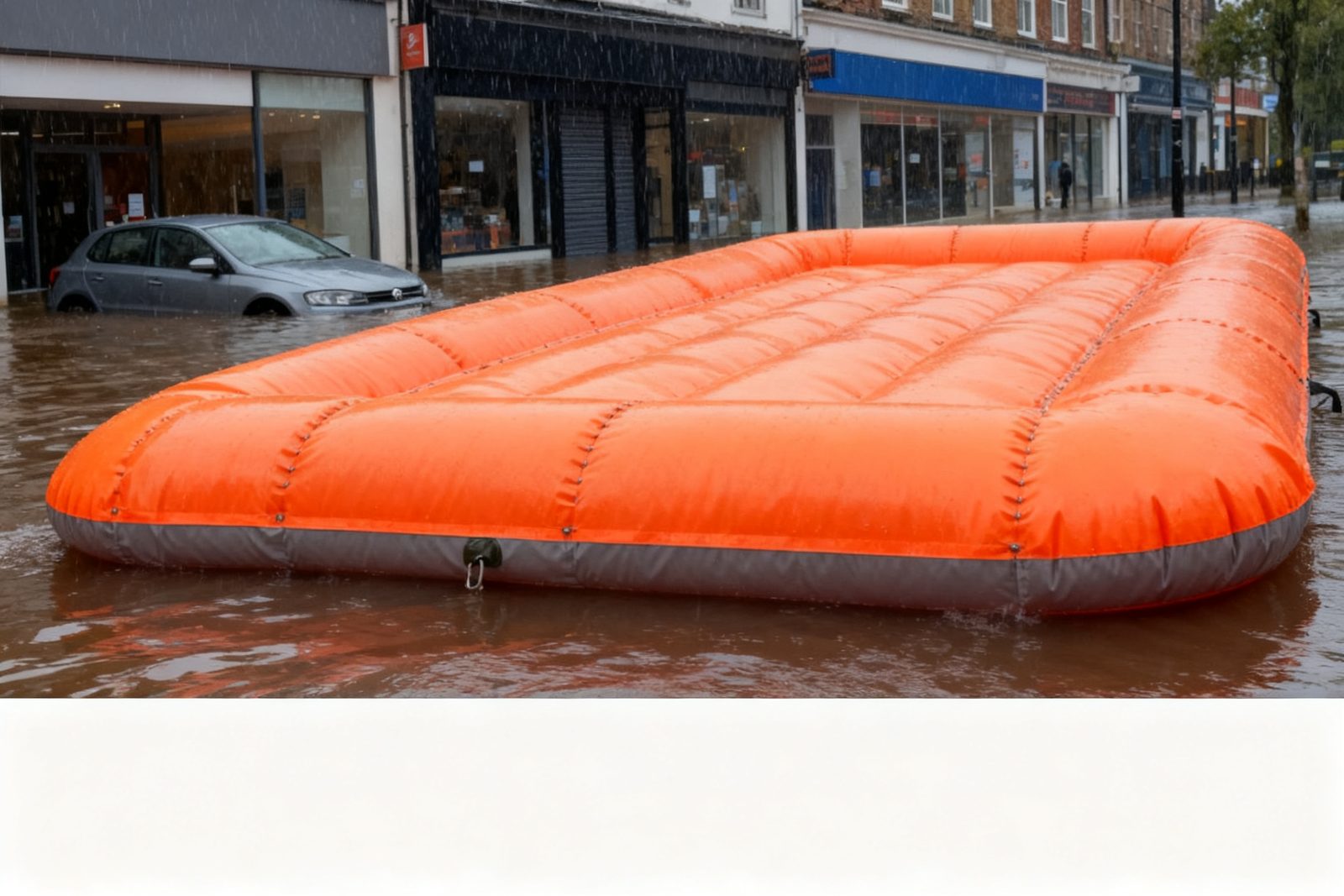
A rapidly deployed inflatable barrier that holds back flood water.
典型场景
- Protecting shopfronts and streets during a flood
- Sealing underground entrances against ingress
- Temporarily raising an embankment or bund
- Pre-positioned defence ahead of a storm
为什么选充气结构
- Competing reusable barriers are water-filled and need a water source on site; this one does not
- Lighter in transport, so more metres fit on one vehicle
- Reusable, unlike sandbags
不适合什么
Water pressure rises with the square of height, so retained height must be backed by structural data and a real anchoring assessment for the ground you have. Exceeding the rated height is extremely dangerous.
参数待厂方核实后补充
工作压力、膜材厚度、抗拉与抗撕裂强度、整机重量、收纳体积、展开尺寸、阻燃等级与质保期,正在与制造方及第三方实验室核实。有文件才发数字,没有就不发。
Flood barriers and water control → 发送项目信息 →
本页更新于 2026-10-14
常见问题
- How does a water-filled cofferdam work?
- Water pumped into the tube provides the mass that resists the flood outside it. That is why it is cheap and stable — and why it needs a water source on site before it does anything.
- How long does it take to deploy a flood barrier?
- An air-filled barrier across a doorway or ramp is minutes, limited by blower capacity. A water-filled run is limited by pump rate and length, typically considerably longer.
- Are flood barriers reusable?
- Both air-filled and water-filled types are cleaned, dried and repacked for reuse. This is the main practical advantage over sandbags, which are single-use and slow to fill.