Вода та плавучість · Локалізація та протипаводковий захист
Протипаводковий бар'єр
挡水屏障
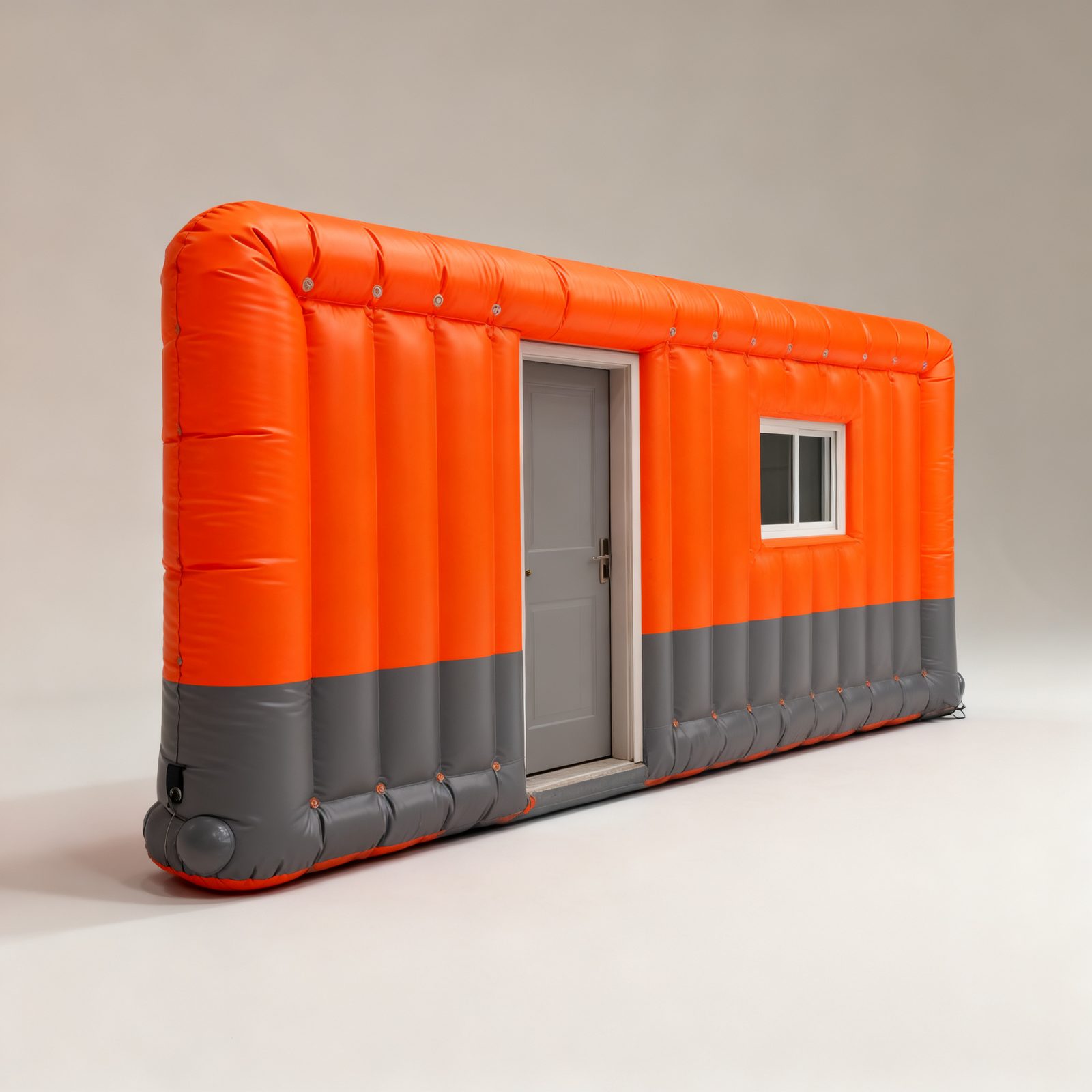
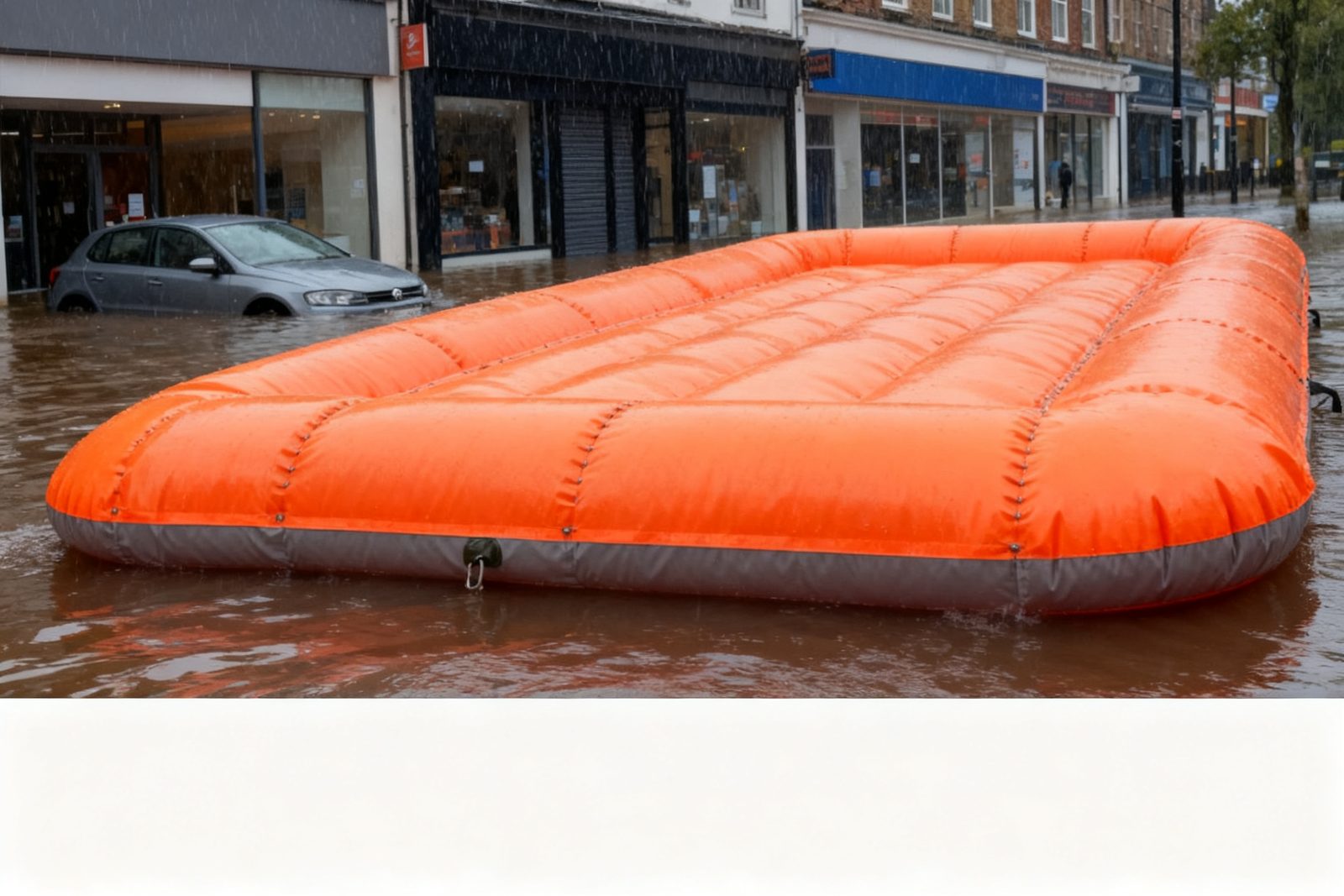
Швидкорозгортуваний надувний бар'єр, який утримує паводкову воду.
Типові сценарії
- Захист вітрин магазинів і вулиць під час повені
- Герметизація підземних входів від надходження води
- Тимчасове нарощування висоти насипу або обвалування
- Заздалегідь розміщений захист перед штормом
Чому пневмокаркасна конструкція
- Конкуруючі бар'єри багаторазового використання заповнюються водою і потребують джерела води на місці; цей бар'єр його не потребує
- Легший під час транспортування, тому в один автомобіль поміщається більше метрів
- Багаторазове використання, на відміну від мішків з піском
Коли це не найкращий вибір
Тиск води зростає пропорційно квадрату висоти, тому висота утримання повинна підтверджуватися конструкційними даними та реальною оцінкою анкерного кріплення для наявного ґрунту. Перевищення номінальної висоти є надзвичайно небезпечним.
Технічні характеристики уточнюються у виробника
Робочий тиск, товщина мембрани, міцність на розтяг і розрив, вага, об'єм в упакованому вигляді, розміри в розгорнутому вигляді, клас вогнестійкості та гарантія перевіряються разом з нашим виробничим партнером і незалежними лабораторіями. Ми публікуємо показники після того, як вони задокументовані, не раніше.
Flood barriers and water control → Надіслати деталі →
Сторінку оновлено 2026-10-14
Поширені запитання
- Як працює заповнений водою котлован?
- Вода, що закачується в трубу, створює масу, яка протистоїть паводковій воді ззовні. Саме тому він дешевий і стабільний — і саме тому йому потрібне джерело води на місці, перш ніж він почне працювати.
- Скільки часу займає розгортання протипаводкового бар'єра?
- Заповнений повітрям бар'єр через дверний отвір або пандус розгортається за лічені хвилини; обмеженням є продуктивність нагнітача. Заповнена водою секція обмежується продуктивністю насоса та довжиною, зазвичай це значно довше.
- Чи можна використовувати протипаводкові бар'єри повторно?
- І заповнені повітрям, і заповнені водою типи очищаються, висушуються та повторно пакуються для повторного використання. Це основна практична перевага над мішками з піском, які є одноразовими та повільно заповнюються.