Rettung & Sicherheit · Verwundetenevakuierung
Aufblasbare Trage
aufblasbare Trage
Eine aufblasbare Trage zur Bewegung von Verwundeten.
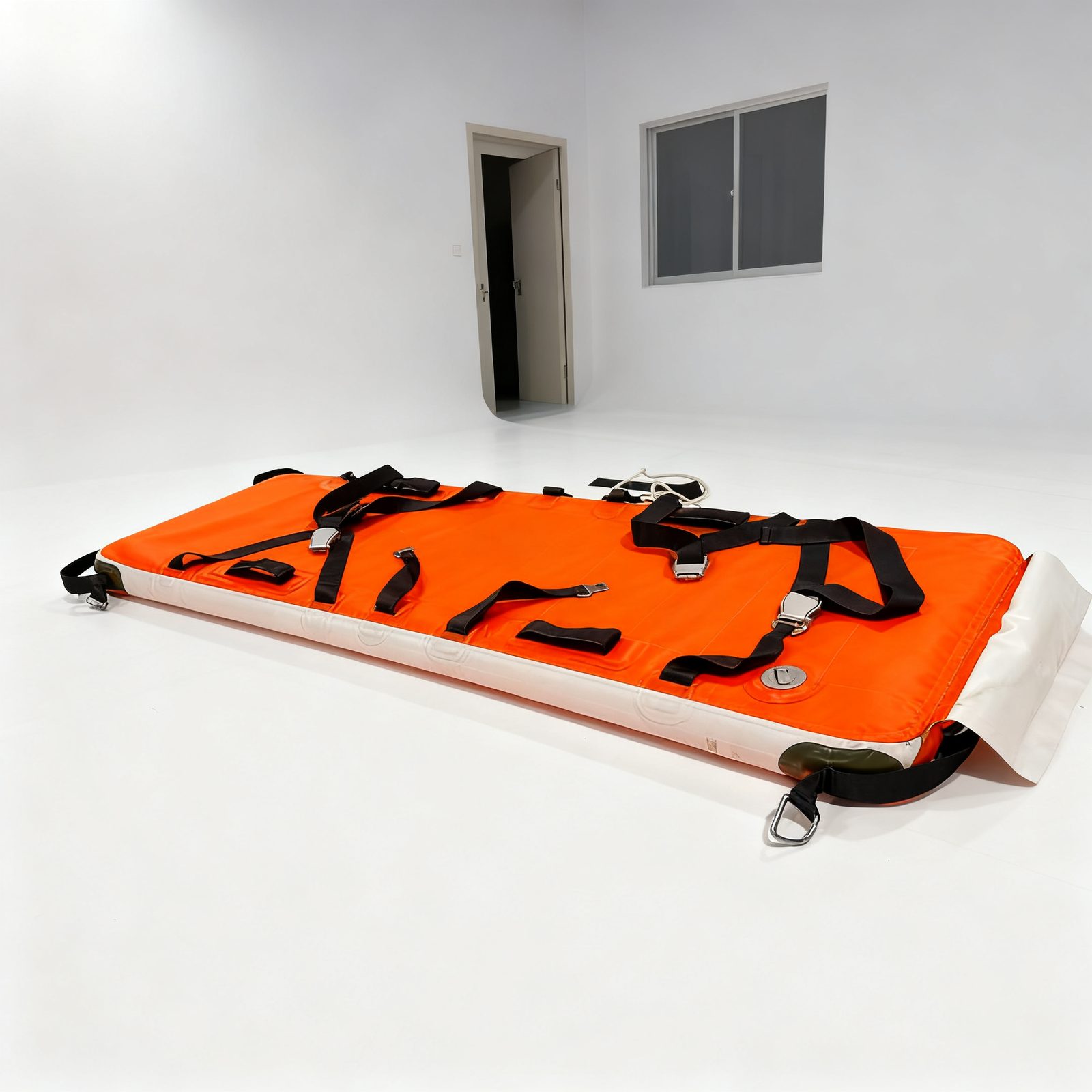
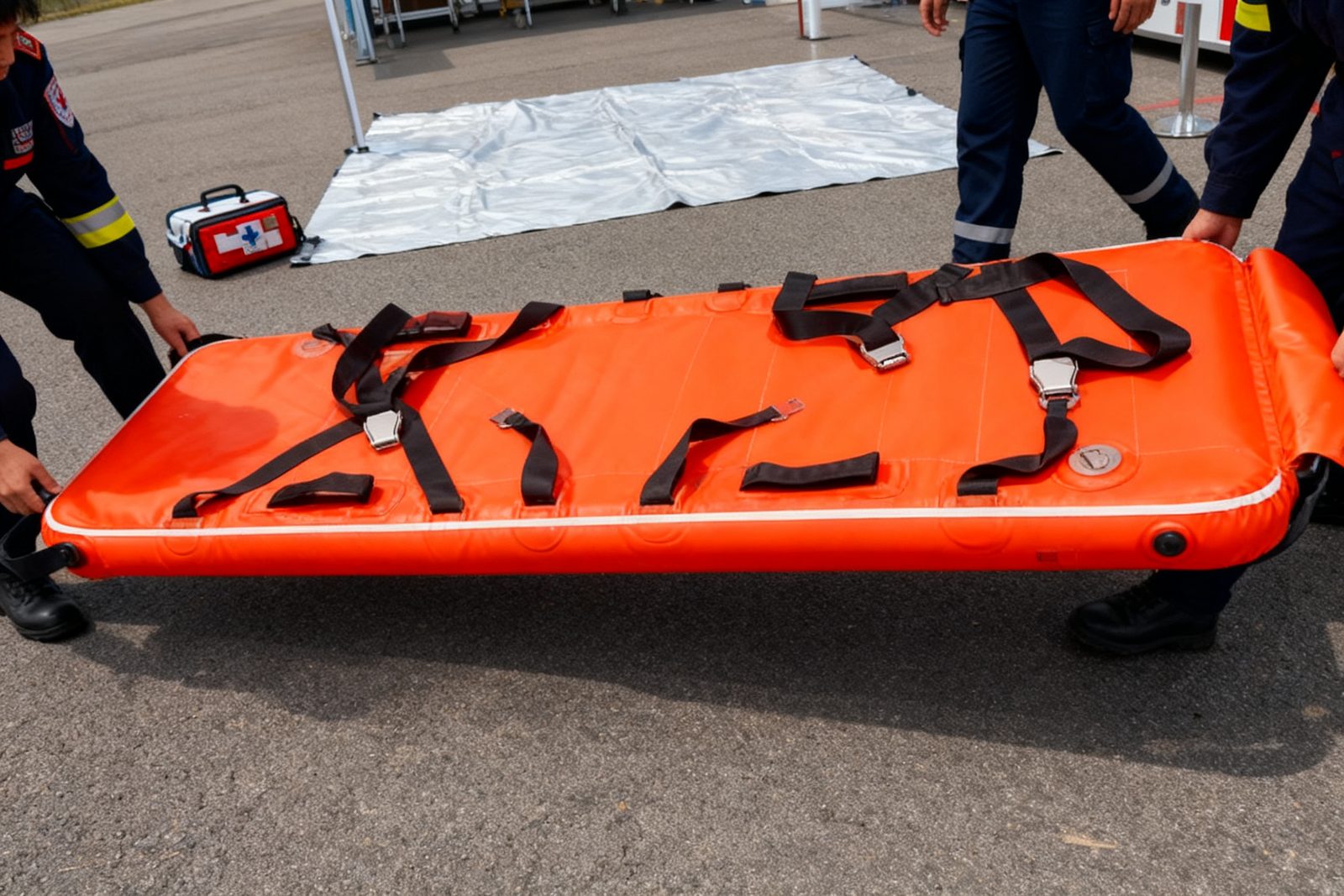
Typische Einsätze
- Verwundetenbewegung an Katastrophenorten
- Wasserrettungsübertragungen
- Evakuierung durch beengte oder bergige Gelände
- Feldlazarett-Evakuierung von Verwundeten
Warum eine aufblasbare Konstruktion
- Kompakt genug, um sie personengebunden zu tragen
- Sobald aufgeblasen, stabil genug, um einen Verletzten zu stützen
- Schwimmfähige Versionen treiben
Wann dies nicht die richtige Wahl ist
Sie trägt; sie immobilisiert nicht. Verdächtige Wirbelsäulenverletzungen erfordern speziell hergestellte Immobilisierungsequipment, das zusammen mit ihr verwendet wird.
Technische Daten werden beim Hersteller verifiziert
Arbeitsdruck, Membrandicke, Zug- und Reißfestigkeit, Gewicht, Packvolumen, ausgebaute Abmessungen, Brandklassifizierung und Garantie werden derzeit mit unserem Herstellungspartner und unabhängigen Laboratorien verifiziert. Wir veröffentlichen Zahlen, sobald sie dokumentiert sind, nicht vorher.
Rescue cushions, lifting bags and impact protection → Details senden →
Seite aktualisiert 2026-10-13
Häufige Fragen
- Kann eine aufblasbare Trage schwimmen?
- Es gibt spezifisch für Wasserrettung ausgelegte schwimmfähige Versionen, die den Verletzten über der Oberfläche tragen. Die Schwimmfähigkeitskapazität muss verifiziert werden und nicht aus der Konstruktion angenommen werden.
- Immobilisiert eine aufblasbare Trage die Wirbelsäule?
- Nein. Die Immobilisierung der Wirbelsäule erfordert speziell entwickelte Equipment. Eine Trage trägt; sie immobilisiert nicht, und das Verwenden einer als die andere verursacht Schaden.