Resgate e Segurança · Transferência de Feridos
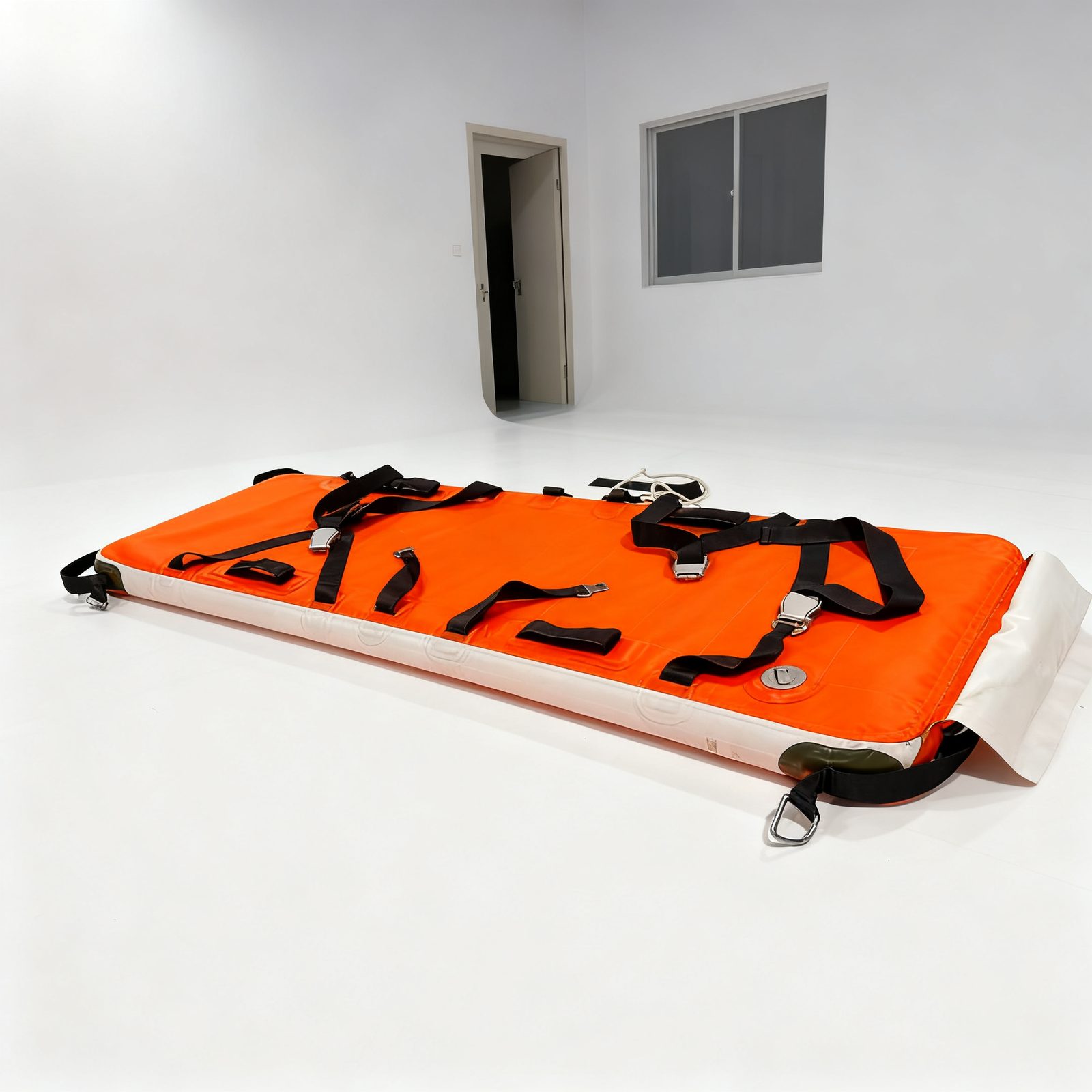
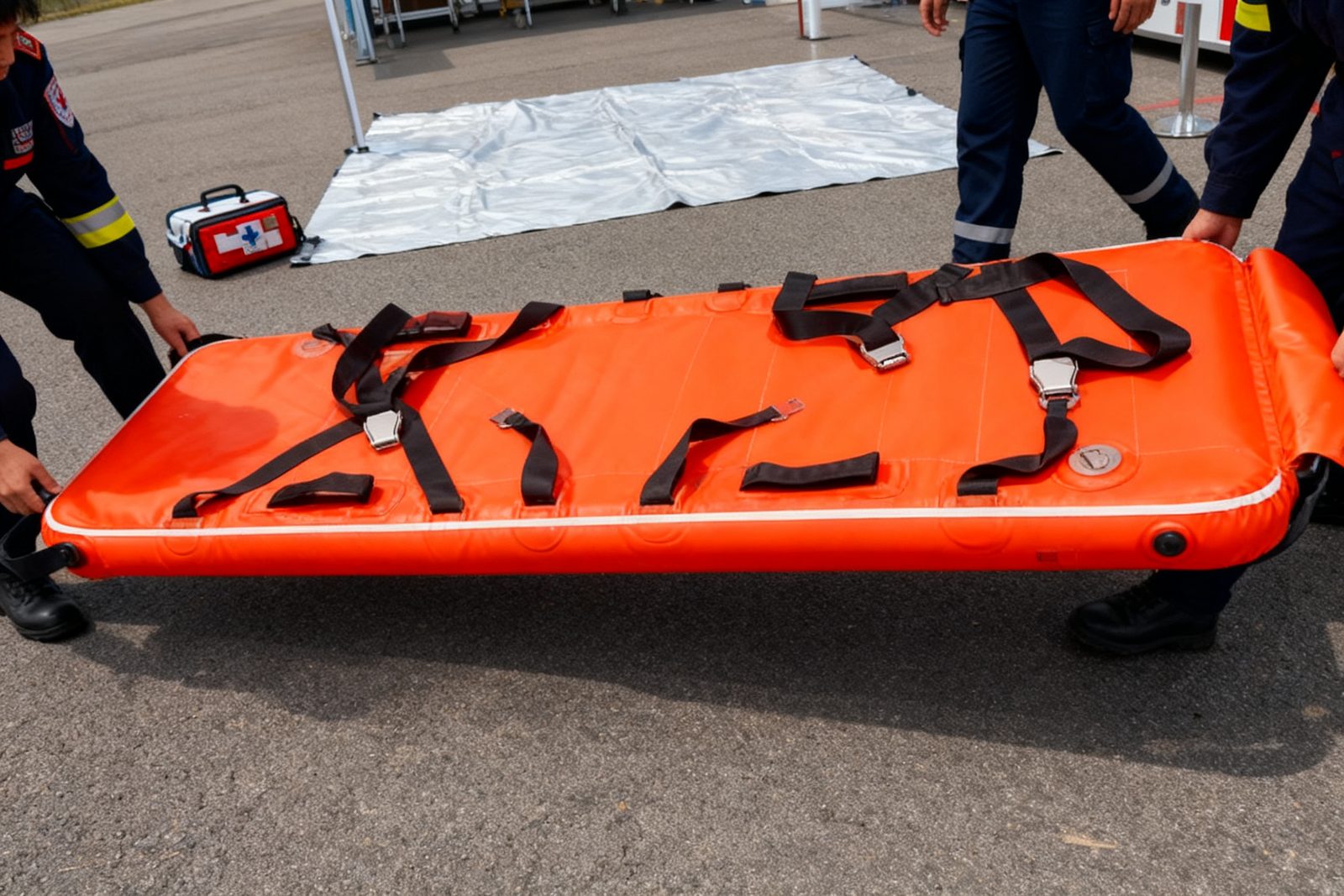
Prancha de Transporte Inflável
Maca inflável
Uma prancha de transporte inflável para mover feridos.
Usos típicos
- Movimentação de feridos em locais de desastre
- Transferências em resgates aquáticos
- Extração por terrenos confinados ou montanhosos
- Evacuação de feridos em campo de batalha
Porquê uma estrutura insuflável
- Encaixa-se em tamanho pequeno o suficiente para ser transportada na pessoa
- Suficientemente rígida para suportar um ferido após ser inflada
- Versões flutuantes flutuam
Quando esta não é a escolha certa
Ela transporta; não imobiliza. Lesão espinhal suspeita requer equipamento de imobilização especialmente projetado para ser usado em conjunto com ela.
Especificações em verificação junto do fabricante
Pressão de trabalho, espessura da membrana, resistência à tração e ao rasgo, peso, volume embalado, dimensões implantadas, classificação de incêndio e garantia estão sendo verificados com o nosso parceiro fabricante e laboratórios independentes. Publicamos os valores quando forem documentados, não antes.
Rescue cushions, lifting bags and impact protection → Enviar os detalhes →
Página atualizada 2026-10-13
Perguntas frequentes
- Uma prancha de transporte inflável pode flutuar?
- Existem versões flutuantes especificamente para resgates aquáticos e que transportam o ferido fora da superfície. A capacidade de flutuabilidade deve ser verificada, e não assumida pela construção.
- Uma prancha de transporte inflável imobiliza a coluna vertebral?
- Não. A imobilização da coluna vertebral requer equipamento especialmente projetado. Uma prancha de transporte transporta; não imobiliza, e tratar uma como a outra causa danos.