Rescate y seguridad · Transferencia de heridos
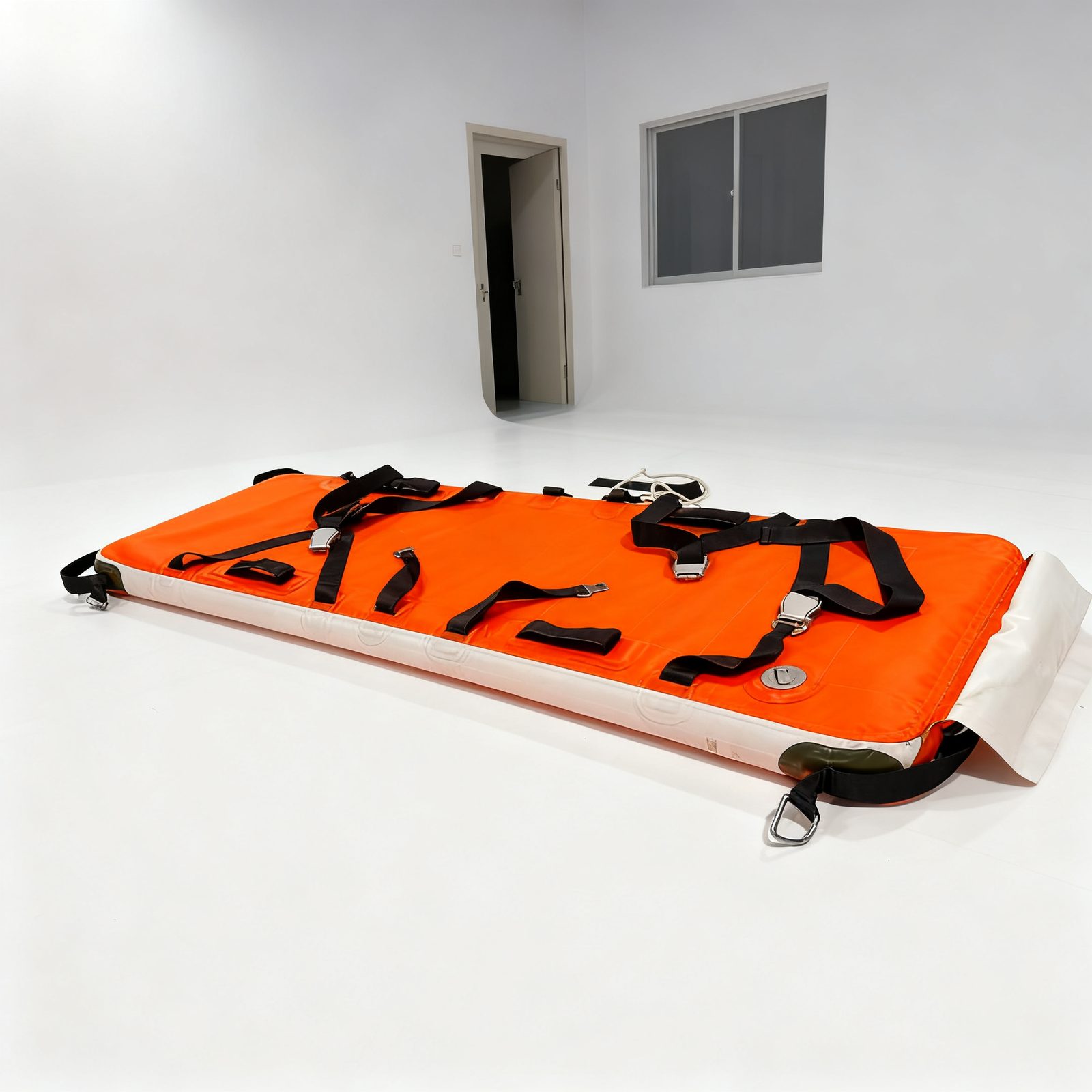
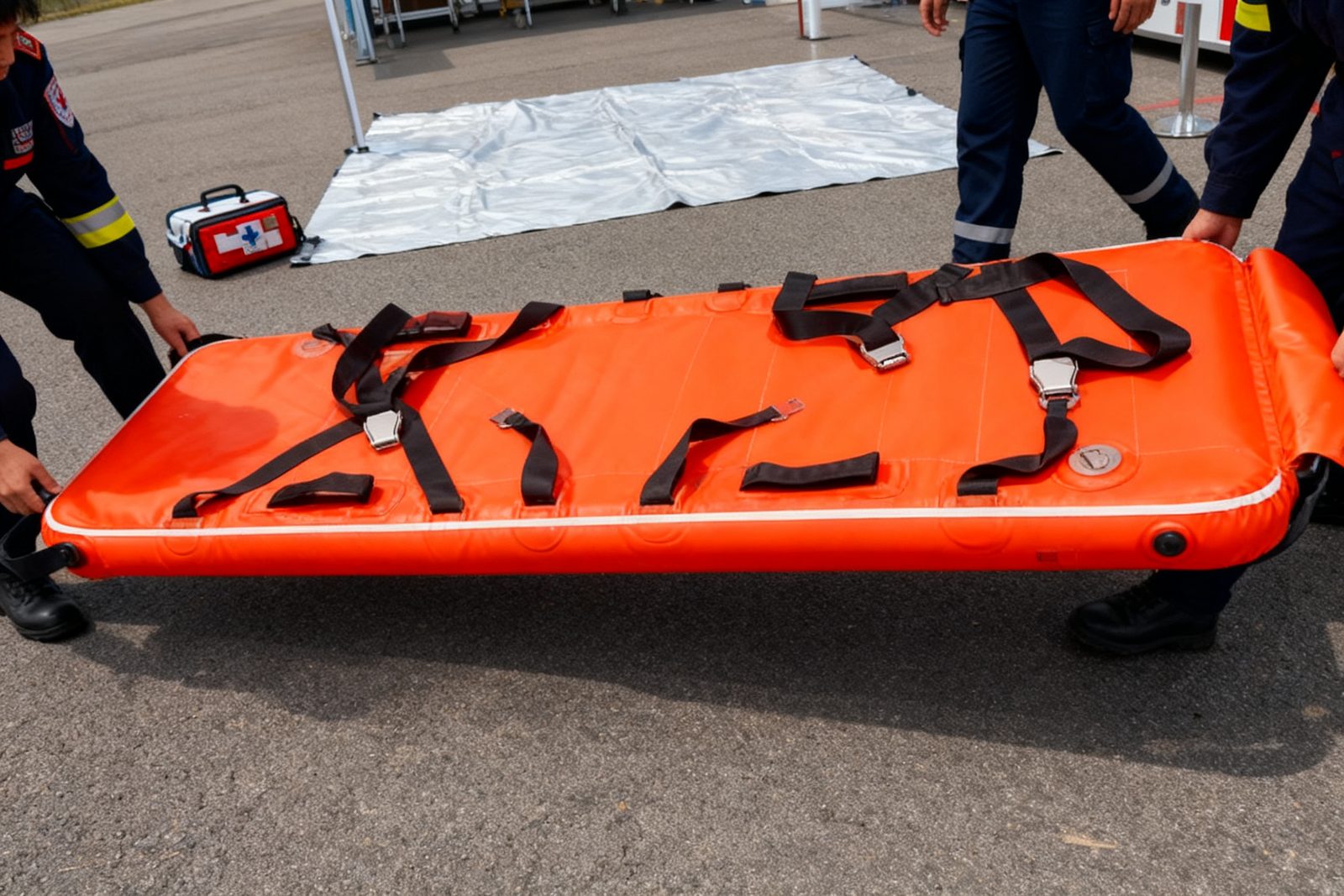
Camilla inflable
Camilla inflable
Una camilla inflable para transportar heridos.
Usos típicos
- Movimiento de heridos en sitios de desastre
- Transferencias de rescate acuático
- Extracción a través de terrenos confinados o montañosos
- Evacuación de heridos en campo de batalla
Por qué una estructura inflable
- Se empaqueta lo suficientemente pequeño como para llevarlo en la persona
- Suficientemente rígida para soportar a un herido una vez inflada
- Las versiones flotantes flotan
Cuándo no es la opción adecuada
Transporta; no inmoviliza. Las lesiones espinales sospechosas requieren equipos de inmovilización especialmente diseñados para usarse junto con ella.
Especificaciones pendientes de verificación con el fabricante
La presión de trabajo, el grosor de la membrana, la resistencia a la tracción y al desgarro, el peso, el volumen empaquetado, las dimensiones desplegadas, la clasificación contra incendios y la garantía están siendo verificados con nuestro socio fabricante y laboratorios independientes. Publicamos los datos cuando están documentados, no antes.
Rescue cushions, lifting bags and impact protection → Enviar los detalles →
Página actualizada 2026-10-13
Preguntas frecuentes
- ¿Puede flotar una camilla inflable?
- Existen versiones flotantes específicamente para rescate acuático y transportan al herido fuera de la superficie. La capacidad de flotabilidad debe verificarse en lugar de asumirse por la construcción.
- ¿Inmoviliza una camilla inflable la columna vertebral?
- No. La inmovilización espinal requiere equipos diseñados para ese propósito. Una camilla transporta; no inmoviliza, y tratar una como la otra causa daño.