Ratownictwo i Bezpieczeństwo · Przenoszenie Rannych
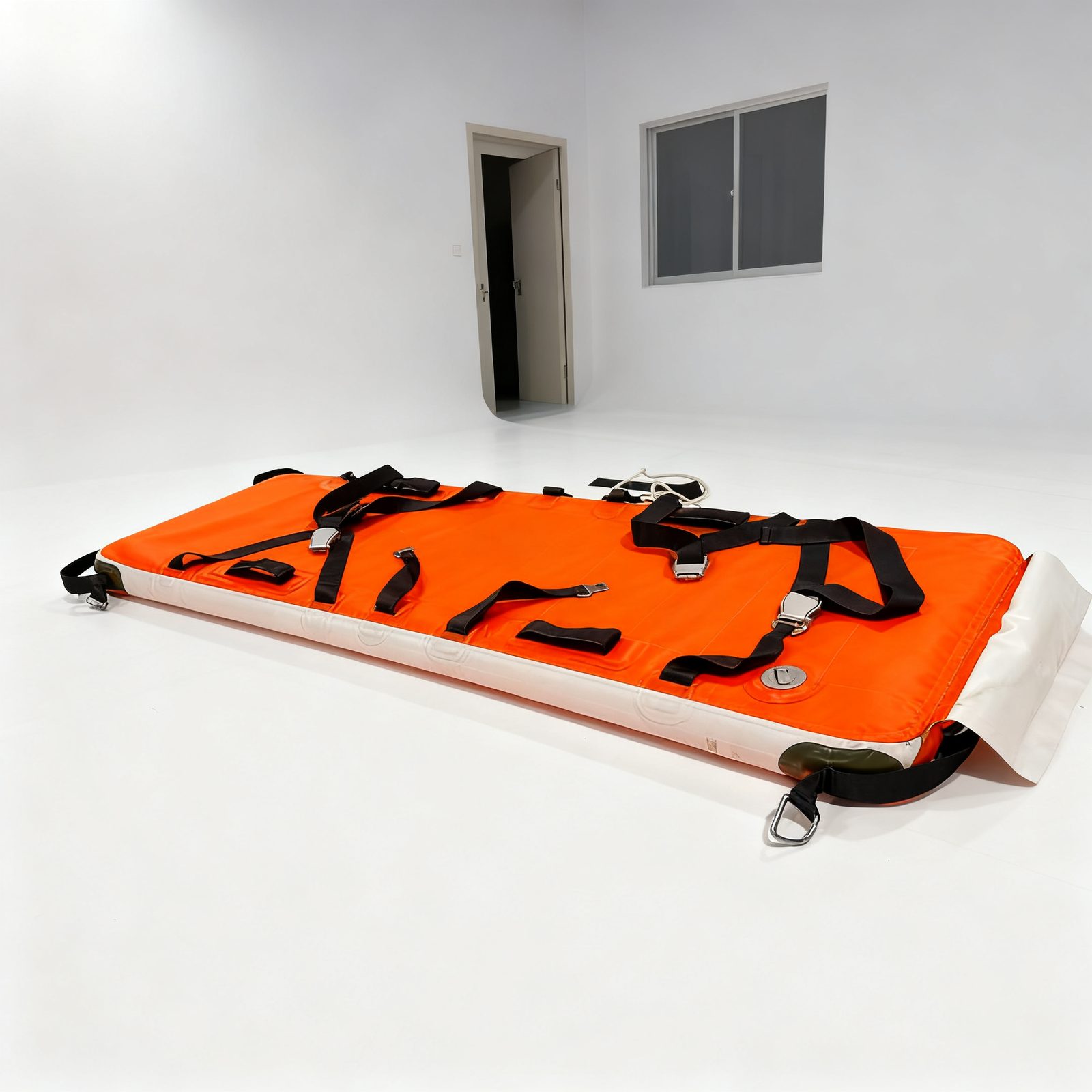
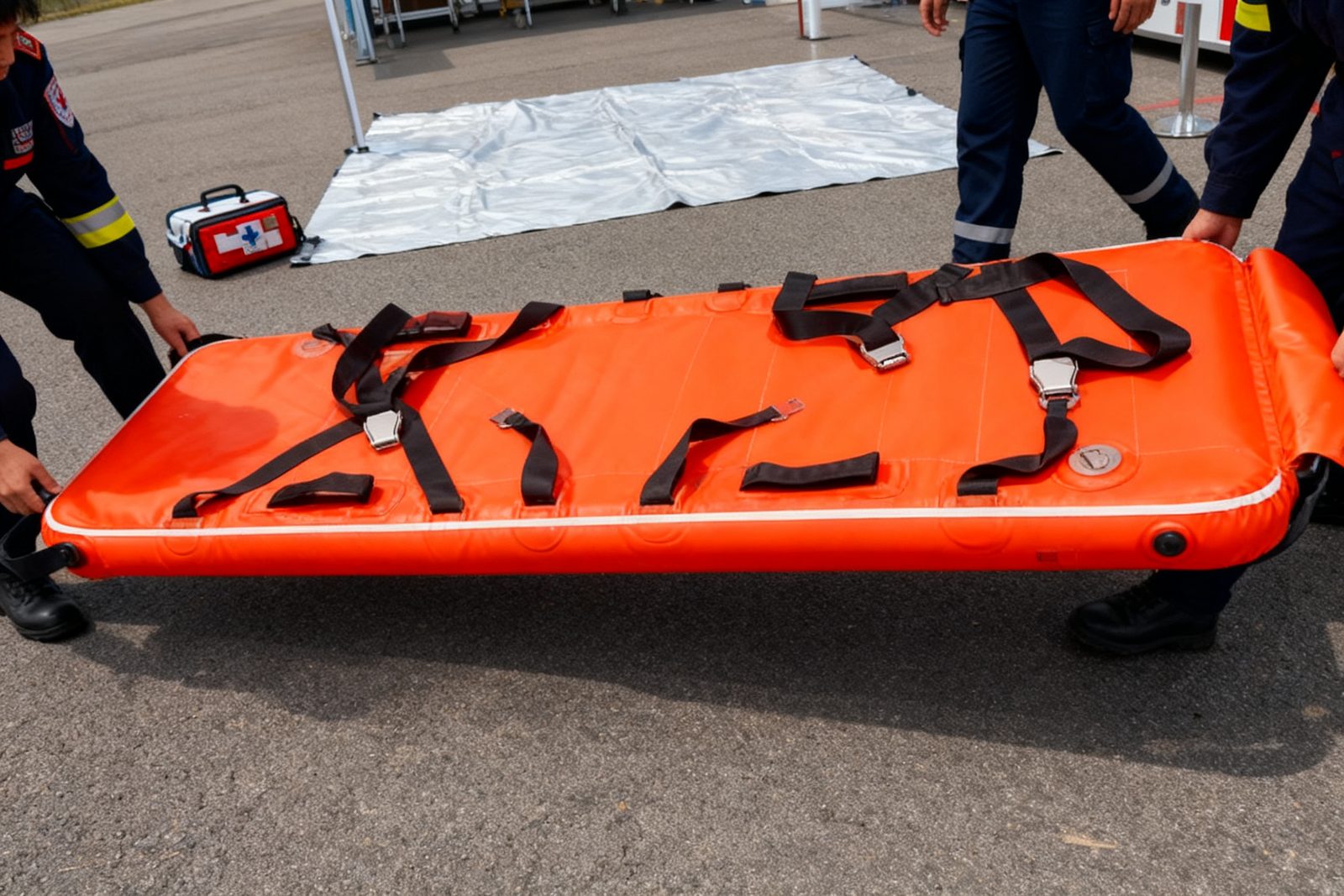
Namiot pneumatyczny
nosze pneumatyczne
Namiot pneumatyczny do przenoszenia rannych.
Typowe zastosowania
- Przenoszenie rannych na miejscach katastrof
- Przenoszenia w ramach ratownictwa wodnego
- Ektrakcja przez wąskie lub górskie tereny
- Ewakuacja rannych z pola bitwy
Dlaczego konstrukcja pneumatyczna
- Zbija się na mały rozmiar, aby można go było nosić na osobie
- Po napompowaniu wystarczająco sztywny, aby podtrzymać ranną osobę
- Wersje pływające utrzymują się na powierzchni wody
Kiedy to nie jest właściwy wybór
Służy do przenoszenia; nie immobilizuje. Podsuszone urazy kręgosłupa wymagają użycia specjalistycznego sprzętu immobilizującego wraz z nim.
Parametry w trakcie weryfikacji u producenta
Ciśnienie robocze, grubość membrany, wytrzymałość na rozciąganie i pękanie, waga, objętość po złożeniu, wymiary po rozwinięciu, klasyfikacja ogniowa oraz gwarancja są weryfikowane przez naszego partnera produkcyjnego i niezależne laboratoria. Publikujemy dane, gdy zostaną udokumentowane, a nie wcześniej.
Rescue cushions, lifting bags and impact protection → Wyślij szczegóły →
Strona zaktualizowana 2026-10-13
Częste pytania
- Czy namiot pneumatyczny może pływać?
- Istnieją wersje pływające przeznaczone specjalnie do ratownictwa wodnego, które utrzymują ranną osobę na powierzchni wody. Pojemność pływowa musi być zweryfikowana, a nie zakładana na podstawie konstrukcji.
- Czy namiot pneumatyczny immobilizuje kręgosłup?
- Nie. Immobilizacja kręgosłupa wymaga specjalnie zaprojektowanego sprzętu. Namiot służy do przenoszenia; nie immobilizuje, a traktowanie go jako immobilizatora powoduje szkody.