Buildings & Shelters · Accommodation & Hospitality
Inflatable Pod
充气旅居舱
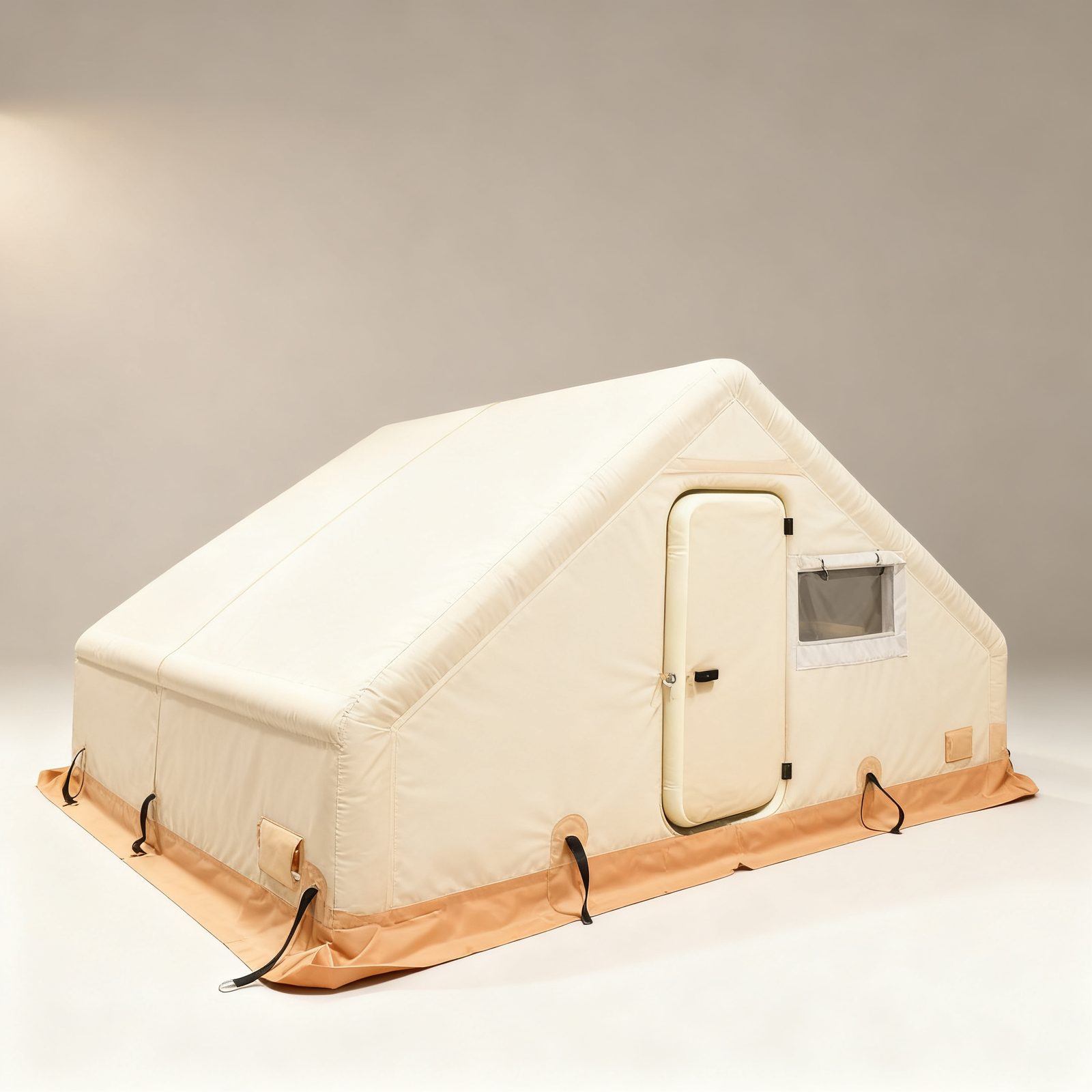
A self-contained accommodation unit that ships folded and inflates into a fixed room on site.
Typical use
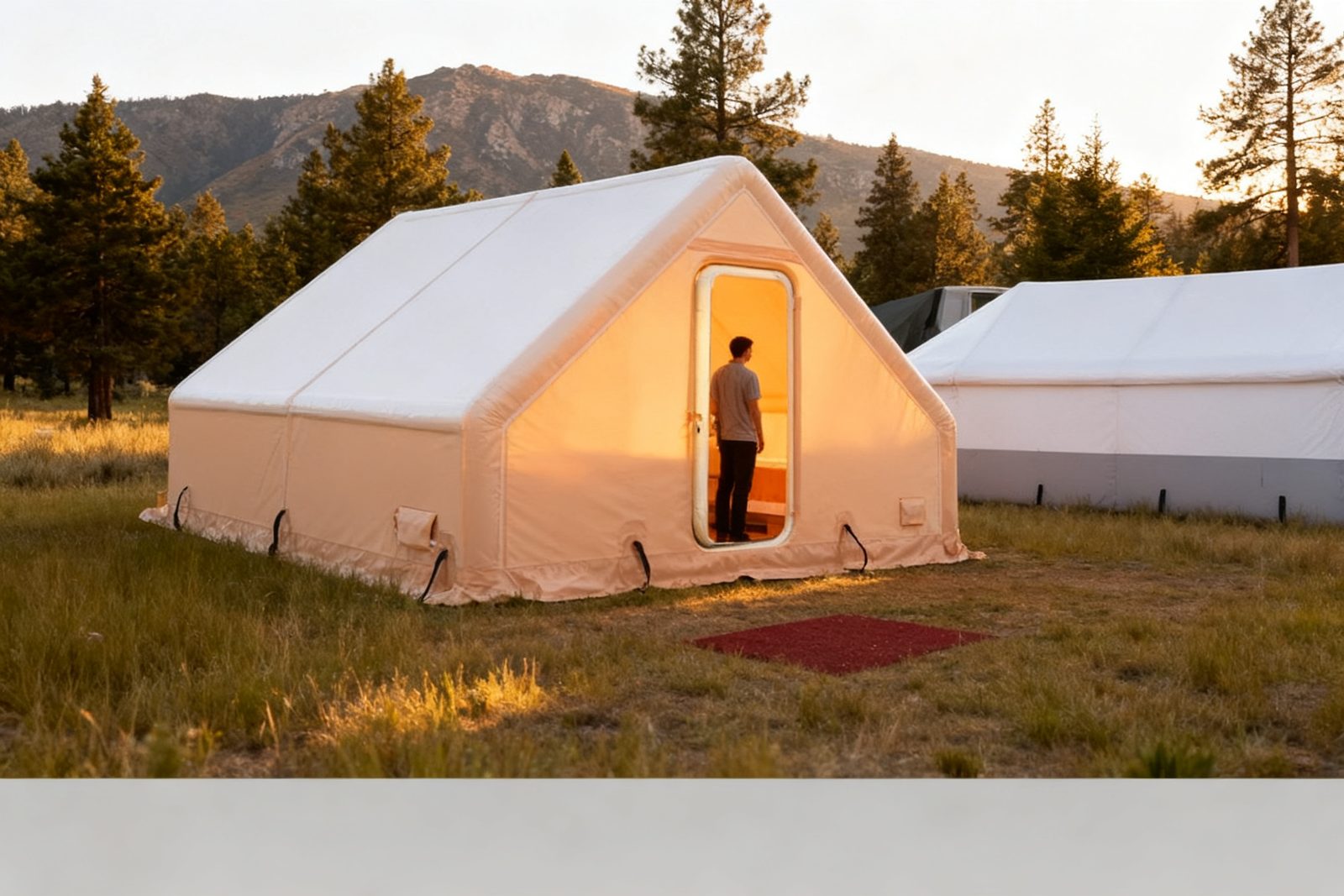
- Adding rooms to a campsite without foundations or planning consent
- Expanding scenic-area capacity before peak season
- Testing a location before committing capital
- Turning pitch space into a room you can price
Why an inflatable structure
- No crane and no foundation — a small team places it
- Packs away in the off season instead of standing idle
- The same units can be moved between sites as demand shifts
Where this is not the right choice
For a site with planning consent operating year-round for a decade, masonry or light steel costs less per room and lasts far longer. What you are paying for here is mobility and the option to stop — not a lower cost per room.
Specifications pending supplier verification
Working pressure, membrane thickness, tensile and tear strength, weight, packed volume, deployed dimensions, fire rating and warranty are being verified with our manufacturing partner and independent laboratories. We publish figures when they are documented, not before.
Livable units → Send the details →
Page updated 2026-10-12
Common questions
- How much does a glamping pod cost?
- Comparable units in the international market sit broadly in the fifteen to thirty thousand US dollar band with fit-out. Price is driven mostly by interior specification — bathroom, climate control and furnishing — rather than by the shell itself. We are not quoting at this stage; this figure is market context, not our price.
- How long do inflatable accommodation units last?
- Service life depends on UV exposure, how often the unit is packed and unpacked, and storage discipline between seasons. We do not publish a figure because we do not yet hold the accelerated-ageing data to support one. Anyone quoting a decade without test data is guessing.
- Do they need foundations or planning consent?
- No foundation is required — the unit is anchored, not built. Planning treatment varies by jurisdiction and is the operator's responsibility to confirm; in many places a demountable unit is handled differently from a permanent structure, which is a large part of why campsite operators choose them.