Kapsuła pneumatyczna
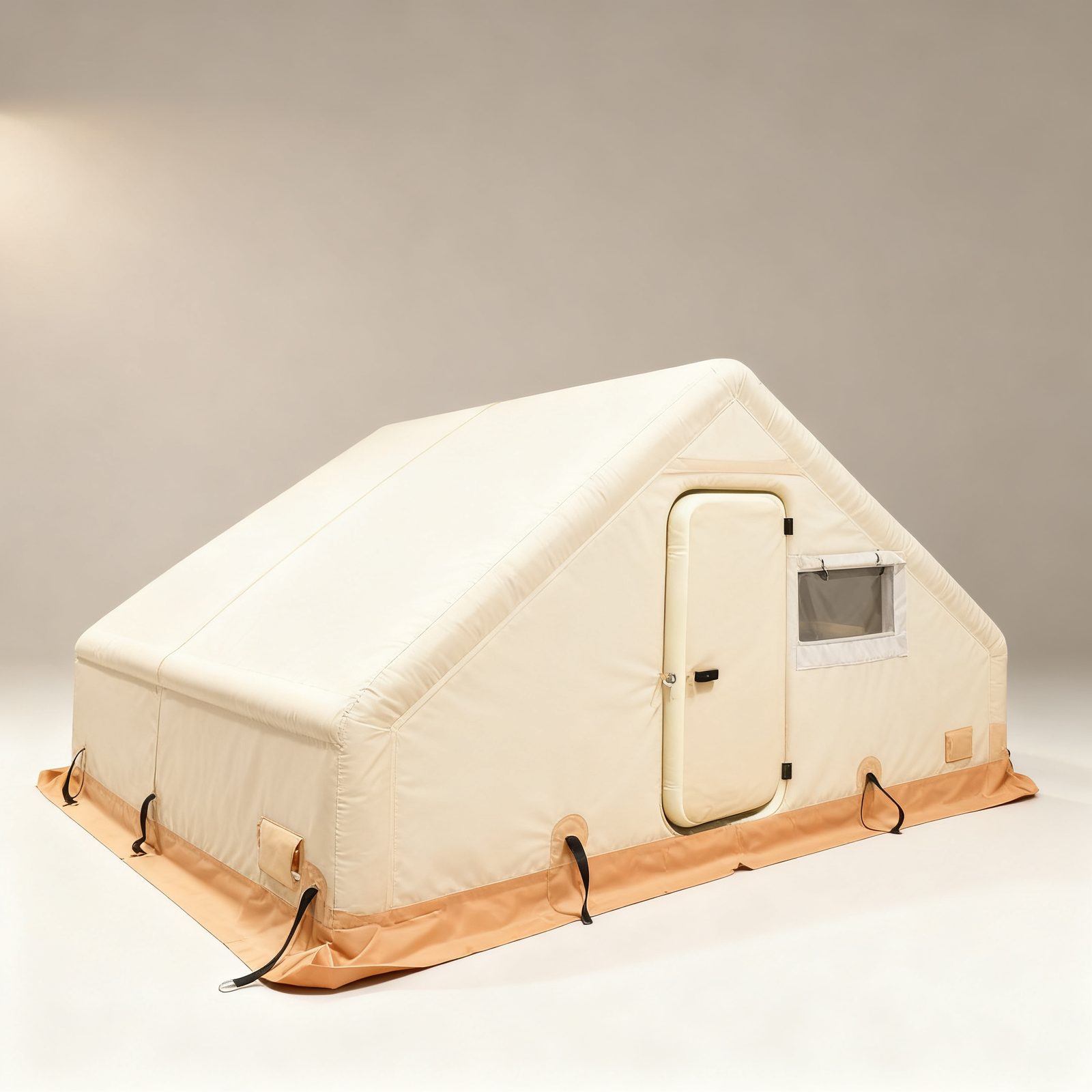
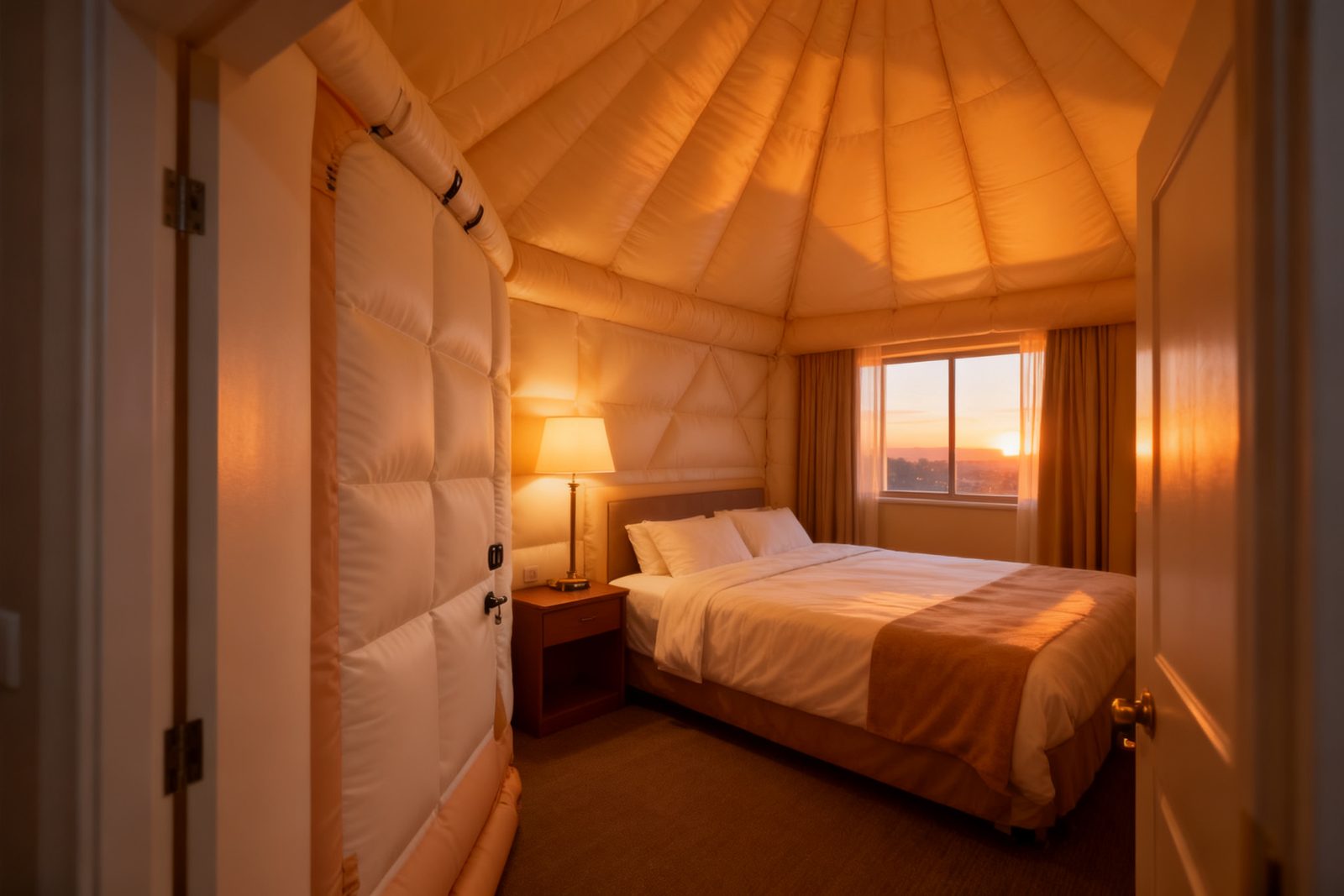
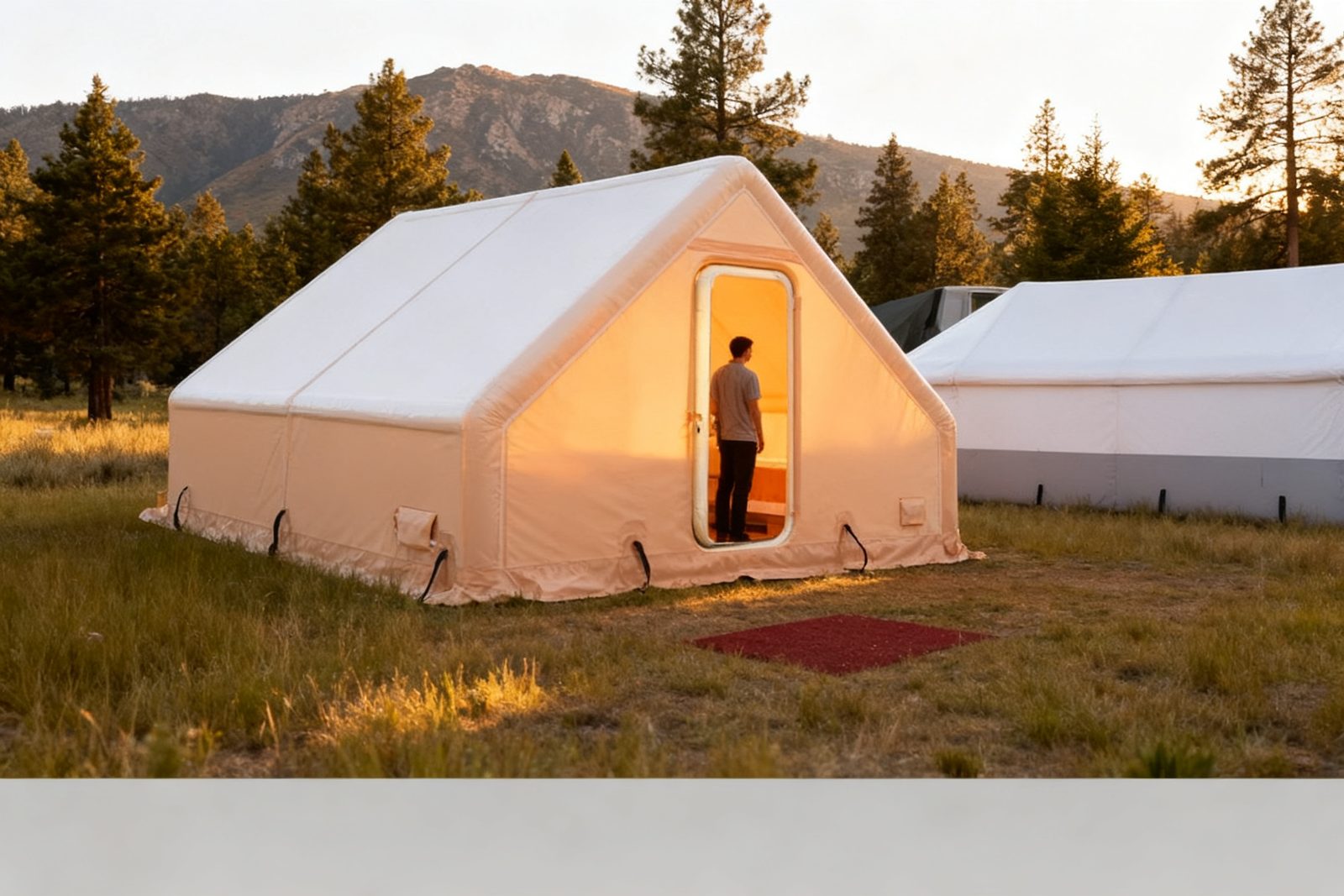
Kapsuła glampingowa
Samodzielna jednostka zakwaterowawcza, która jest dostarczana złożona i na miejscu rozwija się w stałą pomieszczenie.
Typowe zastosowania
- Dodawanie pokoi do kempingu bez fundamentów lub zgody planistycznej
- Rozszerzanie pojemności obszarów widokowych przed sezonem szczytowym
- Testowanie lokalizacji przed inwestycją kapitałem
- Przekształcanie miejsca na kempingu w pokój, który można cenować
Dlaczego konstrukcja pneumatyczna
- Bez dźwigu i bez fundamentów — małą ekipą można go ustawić
- Zbiera się w sezonie mniejszej ruchliwości zamiast leżeć bezczynnie
- Te same jednostki można przenosić między lokalizacjami w zależności od zmiany popytu
Kiedy to nie jest właściwy wybór
Dla lokalizacji z zgódą planistyczną działającej przez dziesięć lat przez cały rok, murarz lub lekki stal kosztuje mniej na pokój i trwa znacznie dłużej. To, za co płacisz tutaj, to mobilność i możliwość przerwania — nie niższy koszt per pokój.
Ciśnienie robocze, grubość membrany, wytrzymałość na rozciąganie i pękanie, waga, objętość złożona, wymiary po rozwinięciu, klasyfikacja ogniowa i gwarancja są weryfikowane przez naszego partnera produkcyjnego i niezależne laboratoria. Publikujemy dane, gdy są udokumentowane, a nie wcześniej.
Livable units → Wyślij szczegóły →
Strona zaktualizowana 2026-10-13
Częste pytania
- Ile kosztuje kapsuła glampingowa?
- Porównywalne jednostki na rynku międzynarodowym znajdują się w szerokim przedziale od piętnaście do trzydzieści tysięcy dolarów amerykańskich z wykończeniem. Cena jest determinowana głównie przez specyfikację wnętrza — łazienka, system klimatyzacji i meble — a nie przez samego obudowania. Obecnie nie podajemy cen; ta figura jest kontekstem rynkowym, a nie naszą ceną.
- Jak długo trwają pneumatyczne jednostki zakwaterowawcze?
- Czas użytkowania zależy od ekspozycji na UV, częstotliwości składania i rozkładania jednostki oraz dyscypliny magazynowania między sezonami. Nie publikujemy liczby, ponieważ jeszcze nie posiadamy danych z testów przyspieszonego starzenia, które by ją potwierdziły. Każdy, kto podaje dziesięć lat bez danych testowych, domyśla się.
- Czy wymagają one fundamentów lub zgody planistycznej?
- Nie wymagają fundamentów — jednostka jest zakotwiczona, a nie budowana. Traktowanie planistyczne różni się w zależności od jurysdykcji i jest odpowiedzialnością operatora potwierdzenia; w wielu miejscach jednostka demontowalna jest traktowana inaczej niż budynek trwały, co jest głównym powodem, dla którego operatorzy kempingów je wybierają.