Rescue & Safety · Evacuation
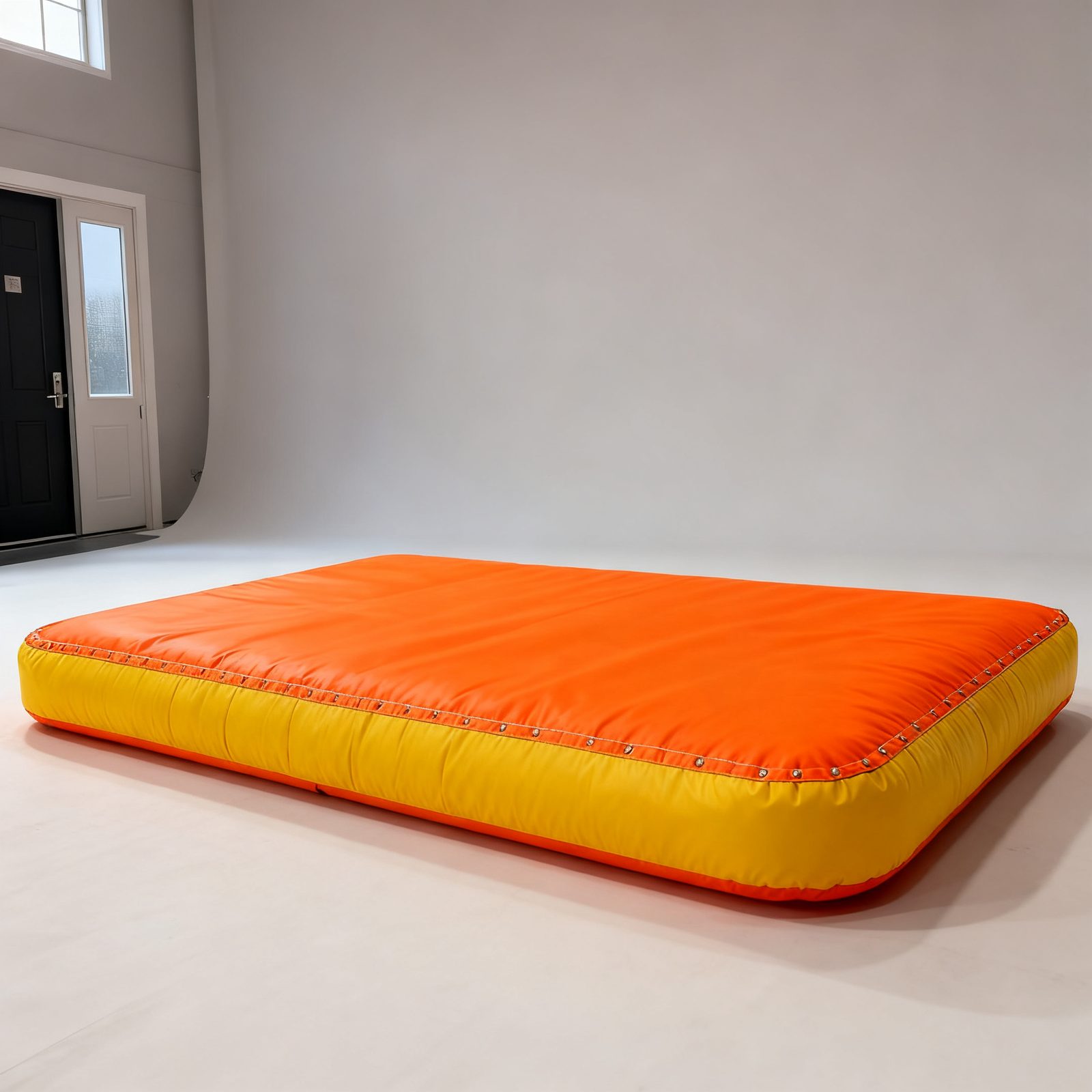
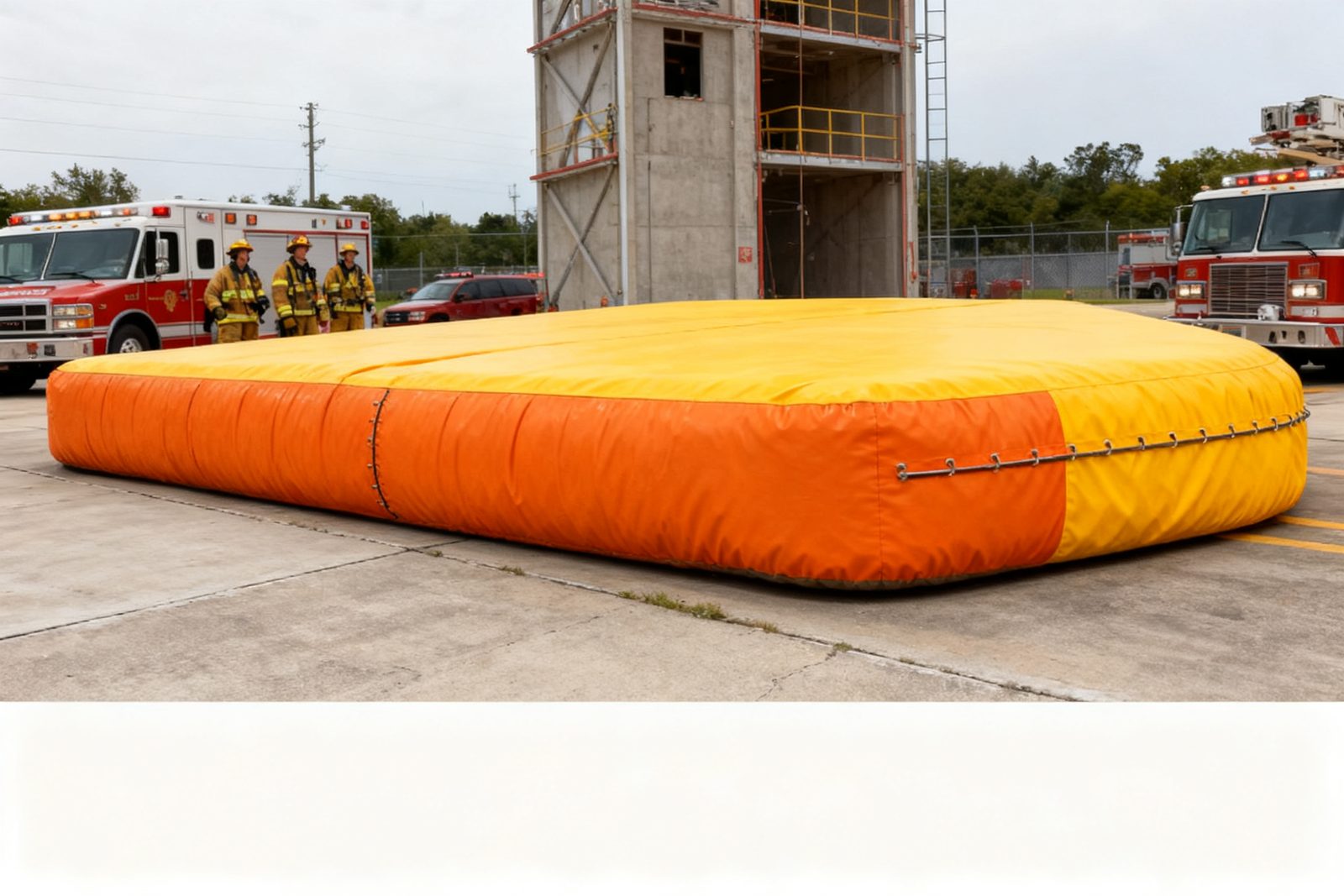
Rubble Crossing Mat
废墟通行垫
A rollable mat creating a walkable path over rubble and broken ground.
Typical use
- Access routes across earthquake rubble
- Movement over collapse debris
- Temporary paths on soft or broken ground
- Level runs for stretcher carries
Why an inflatable structure
- Rescue teams carry and lay it themselves
- Spreads load and reduces disturbance underfoot
Where this is not the right choice
It provides a surface, not support. It must never be used to bridge or hold up anything that could collapse.
Specifications pending supplier verification
Working pressure, membrane thickness, tensile and tear strength, weight, packed volume, deployed dimensions, fire rating and warranty are being verified with our manufacturing partner and independent laboratories. We publish figures when they are documented, not before.
Rescue cushions, lifting bags and impact protection → Send the details →
Page updated 2026-10-13
Common questions
- How high can you jump into a rescue cushion?
- Rated jump height is a certified figure, not an estimate. In Europe the relevant standard is EN 1869. We do not supply rescue cushions without that certification in place — this is a product where a wrong number kills someone.
- How fast does a rescue cushion inflate?
- Seconds, from a dedicated high-output blower. Deployment speed is meaningless without the certified jump height that goes with it.