Buildings & Shelters · Accommodation & Hospitality
Dome Pod
圆形穹顶舱
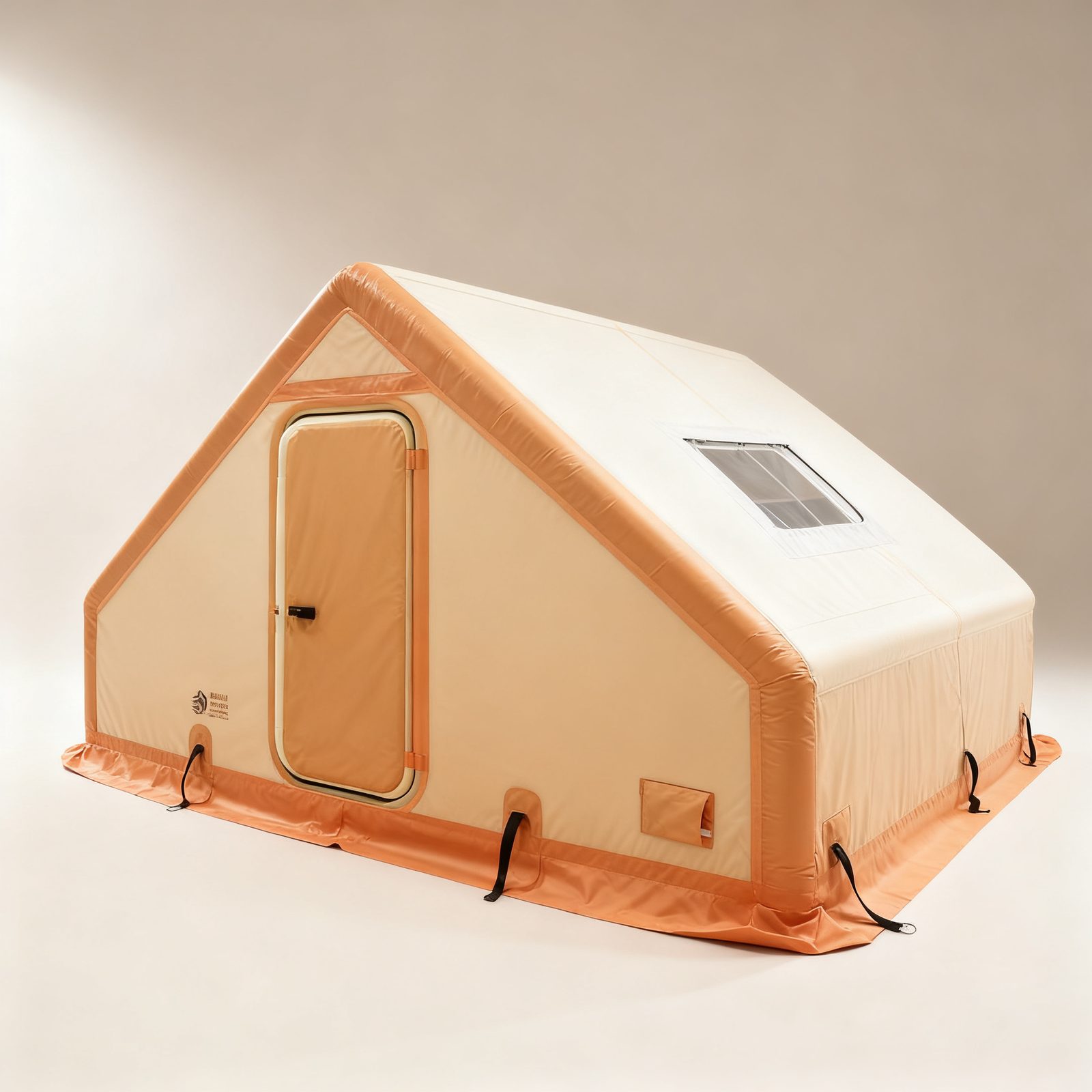
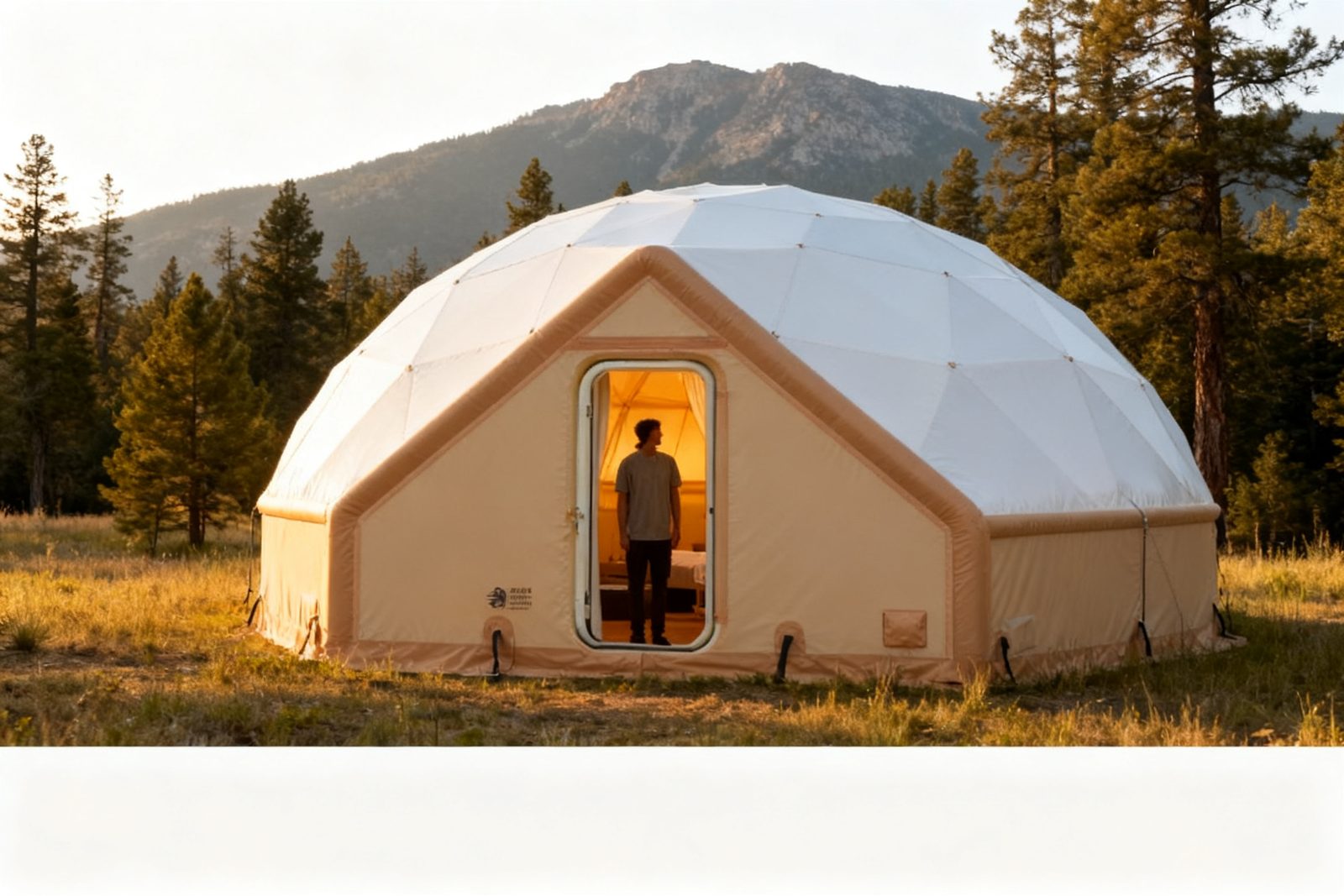
A circular-plan domed accommodation unit, used where the view is the product.
Typical use
- Stargazing and astronomy-themed accommodation
- Grassland, desert and snowfield sites with open horizons
- Pitches needing a full 360-degree outlook
- Acting as the visual landmark of a campsite
Why an inflatable structure
- The silhouette carries recognition on social channels, which brings bookings
- Circular plan feels larger than a rectangle of the same area
- No internal columns, so the view is uninterrupted
Where this is not the right choice
Dense campsites that need to fit the maximum number of rooms on a plot. Circular plans pack far less efficiently than rectangles — you will get fewer rooms per hectare.
Specifications pending supplier verification
Working pressure, membrane thickness, tensile and tear strength, weight, packed volume, deployed dimensions, fire rating and warranty are being verified with our manufacturing partner and independent laboratories. We publish figures when they are documented, not before.
Livable units → Send the details →
Page updated 2026-10-12
Common questions
- How much does a glamping pod cost?
- Comparable units in the international market sit broadly in the fifteen to thirty thousand US dollar band with fit-out. Price is driven mostly by interior specification — bathroom, climate control and furnishing — rather than by the shell itself. We are not quoting at this stage; this figure is market context, not our price.
- How long do inflatable accommodation units last?
- Service life depends on UV exposure, how often the unit is packed and unpacked, and storage discipline between seasons. We do not publish a figure because we do not yet hold the accelerated-ageing data to support one. Anyone quoting a decade without test data is guessing.
- Do they need foundations or planning consent?
- No foundation is required — the unit is anchored, not built. Planning treatment varies by jurisdiction and is the operator's responsibility to confirm; in many places a demountable unit is handled differently from a permanent structure, which is a large part of why campsite operators choose them.