Hangar pneumatyczny
Hangar pneumatyczny
Hangar pneumatyczny bez podpor, przeznaczony do parkowania i obsługi samolotów tam, gdzie nie ma trwałego budynku.
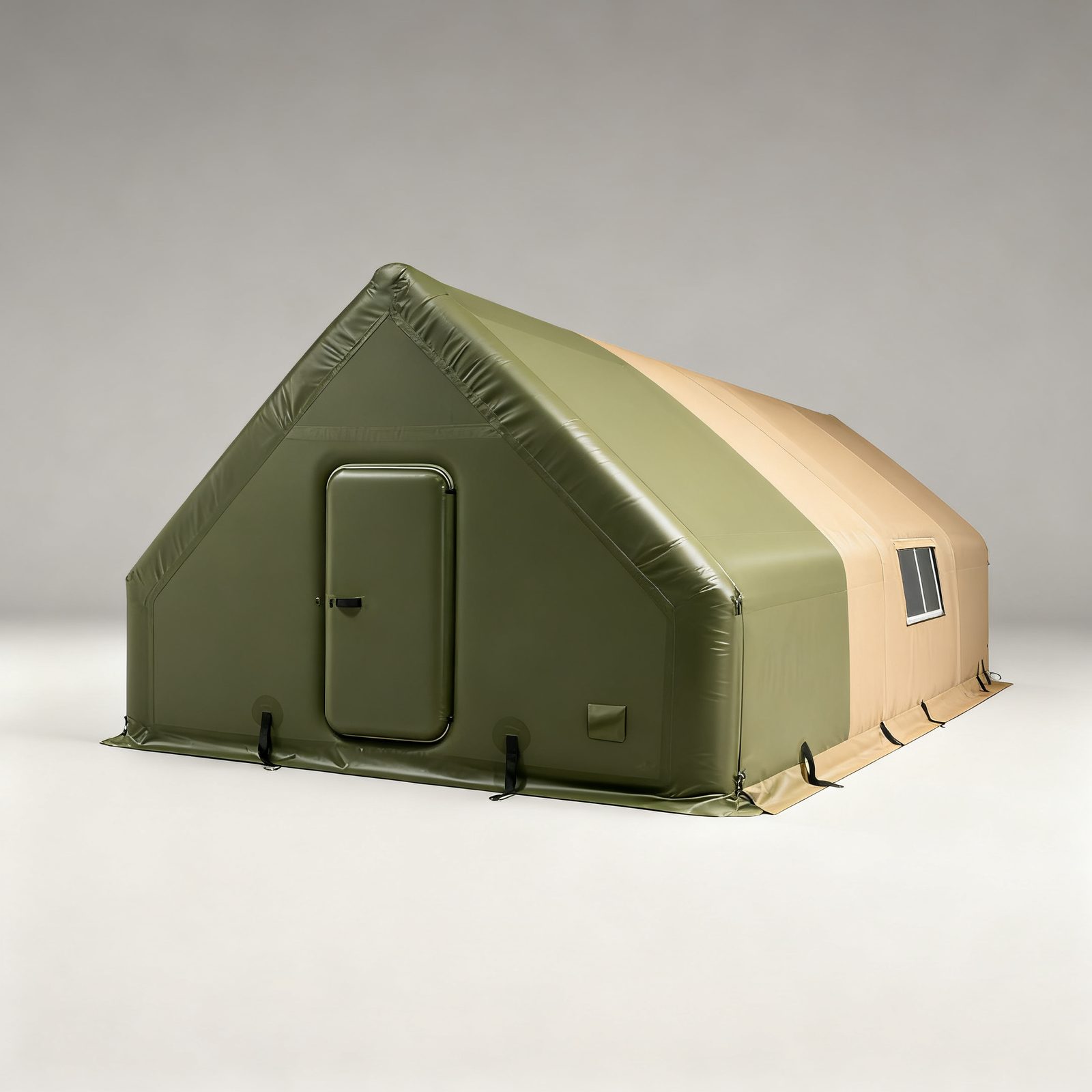
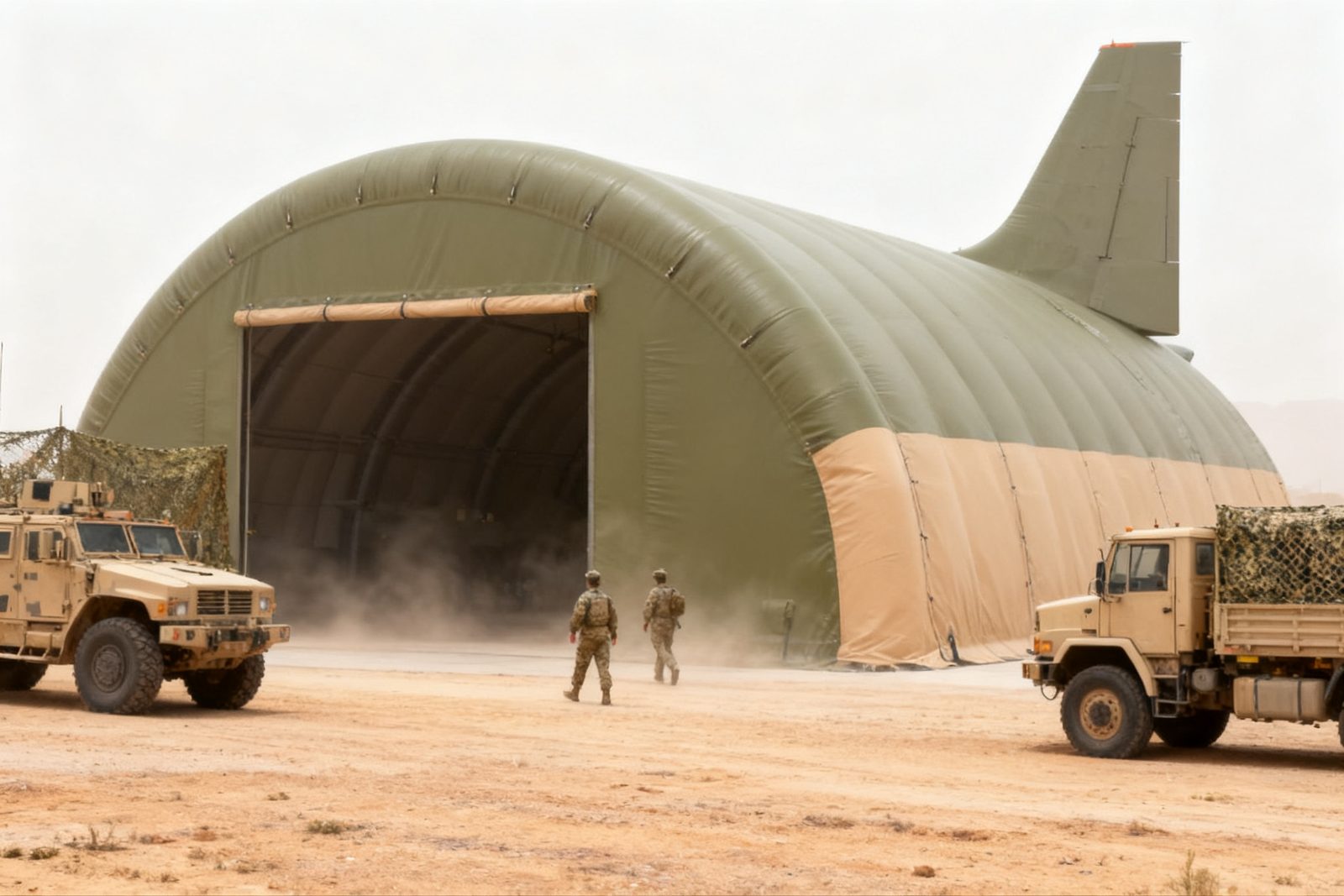
Typowe zastosowania
- Lotniska przodem bez możliwości hangarowych
- Lotnictwo ogólne wymagające sezonowego osłonięcia
- Porty lotnicze wypełniające lukę podczas budowy terminalu lub hangaru
- Samoloty ratunkowe i sondażowe działające z odległych pasów
Dlaczego konstrukcja pneumatyczna
- Brak kolumn, więc objętość wewnętrzna jest użyteczna od końca do końca
- Brak trwałej fundamentu — podwórze jest zwracane w stanie początkowym
- Możliwość przeniesienia wraz z operacją, zamiast przywiązania do jednego pola
Kiedy to nie jest właściwy wybór
Możliwość rozpiętości jest decydującą liczbą i zależy od zweryfikowanego ciśnienia roboczego oraz obliczeń konstrukcyjnych. Nie zobowiązujemy się do rozpiętości przed powstaniem tych danych — hangar, który zawodzi, niszczy samolot.
Ciśnienie robocze, grubość membrany, wytrzymałość na rozciąganie i pękanie, waga, objętość w opakowaniu, wymiary po rozwinięciu, klasyfikacja ogniowa i gwarancja są weryfikowane przez naszego partnera produkcyjnego i niezależne laboratoria. Publikujemy dane, gdy są udokumentowane, a nie wcześniej.
Access-constrained deployment → Wyślij szczegóły →
Strona zaktualizowana 2026-10-13
Częste pytania
- Co to jest namiot drop-stitch?
- Namiot drop-stitch ma ściany, które same są napowietrzane w sztywne panele, a nie skórę rozciągniętą na napowietrzonych rurach. Tysiące wewnętrznych wątków utrzymują dwie warstwy tkaniny równolegle, co nadaje ścianie rzeczywistą grubość i sztywność.
- Jakie wiatry wytrzymuje namiot wojskowy pneumatyczny?
- Klasyfikacja wiatrowa zależy od ciśnienia roboczego, zakotwiczenia i konkretnego modelu, i nie ma sensu bez załączonego raportu testowego. Nasze są weryfikowane; publikujemy liczby, gdy są udokumentowane.
- Co się dzieje, jeśli namiot wojskowy pneumatyczny zostanie przebity?
- W komorowym konstrukcji drop-stitch, dotkana komora mięknie, a reszta struktury stoi, a przebitą łatwo naprawić w terenie. W konstrukcji z rurami pneumatycznymi rura jest ramą, więc utrata jednej to zdarzenie strukturalne.