مباني ومآوي · دفاع
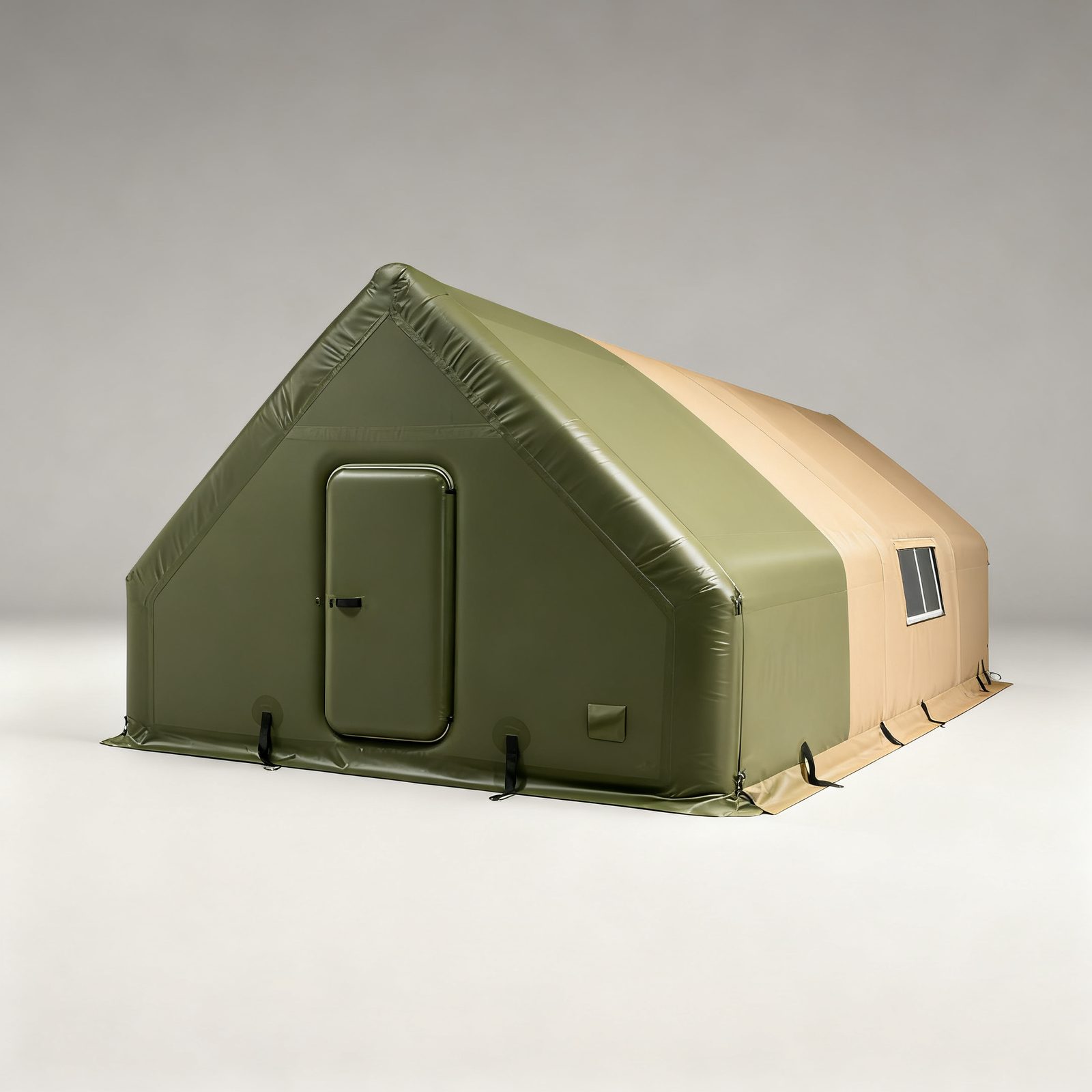
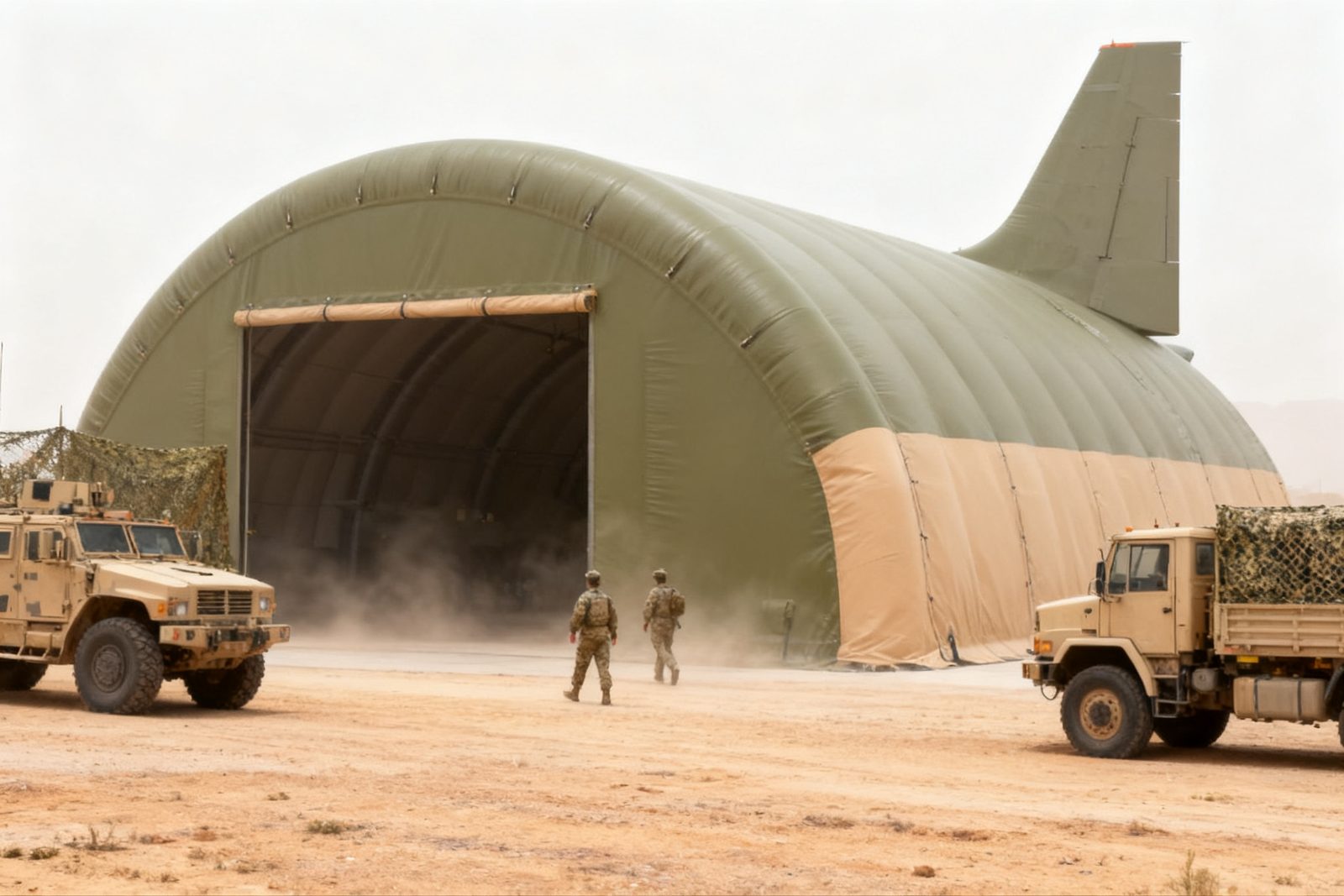
حظيرة طائرات قابلة للنفخ
حظيرة طائرات قابلة للنفخ
حظيرة قابلة للنفخ ذات مساحة داخلية خالية من الأعمدة لوقوف وصيانة الطائرات حيث لا يوجد مبنى دائم.
الاستخدامات النموذجية
- مطارات أمامية بدون سعة حظائر
- الطيران العام الذي يحتاج إلى غطاء موسمي
- مطارات تغطي فجوة أثناء إنشاء مبنى الركاب أو الحظائر
- طائرات الإنقاذ والمسح التي تعمل من مهابط نائية
لماذا هيكل قابل للنفخ
- لا توجد أعمدة، مما يجعل الحجم الداخلي قابلاً للاستخدام من طرف إلى طرف
- لا أساس دائم — يتم إعادة ساحة المطار كما كانت
- يمكن نقلها مع العملية بدلاً من ربطك بموقع واحد
متى لا يكون هذا الخيار المناسب
قدرة الامتداد هي الرقم الحاسم وهي تعتمد على ضغط التشغيل المتحقق منه والحساب الإنشائي. لا نلتزم بمدى قبل توفر تلك البيانات — حظيرة تفشل تسقط طائرة معها.
المواصفات قيد التحقق مع الشركة المصنعة
ضغط التشغيل، سمك الغشاء، قوة الشد والتمزق، الوزن، الحجم المعبأ، الأبعاد عند النشر، تصنيف الحريق والضمان يتم التحقق منها مع شريكنا المصنع والمختبرات المستقلة. ننشر الأرقام عندما تكون موثقة، وليس قبل ذلك.
Access-constrained deployment → أرسل التفاصيل →
تاريخ تحديث الصفحة 2026-10-14
الأسئلة الشائعة
- ما هي خيمة drop-stitch؟
- خيمة drop-stitch لها جدران يتم نفخها لتصبح ألواحًا صلبة، بدلاً من غشاء مشدود فوق أنابيب منفوخة. عشرات الآلاف من الخيوط الداخلية تثبت وجهي القماش متوازيين، وهذا ما يمنح الجدار سمكًا وصلابة حقيقيين.
- ما هي سرعة الرياح التي يمكن أن تتحملها خيمة عسكرية قابلة للنفخ؟
- يعتمد تصنيف الرياح على ضغط التشغيل، التثبيت، والطراز المحدد، وهو بلا معنى بدون تقرير اختبار يدعمه. يتم التحقق من منتجاتنا؛ ننشر الأرقام عندما تكون موثقة.
- ماذا يحدث إذا ثُقبت خيمة عسكرية قابلة للنفخ؟
- في هيكل drop-stitch المقسم إلى حجرات، تصبح الحجرة المتأثرة لينة ويظل بقية الهيكل قائمًا، ويتم ترقيع الثقب في الموقع. في إنشاءات العوارض الهوائية، الأنبوب هو الإطار، لذا فإن فقدان أحدهما يعد حدثًا هيكليًا.