Abri d'isolement
Abri d'isolement
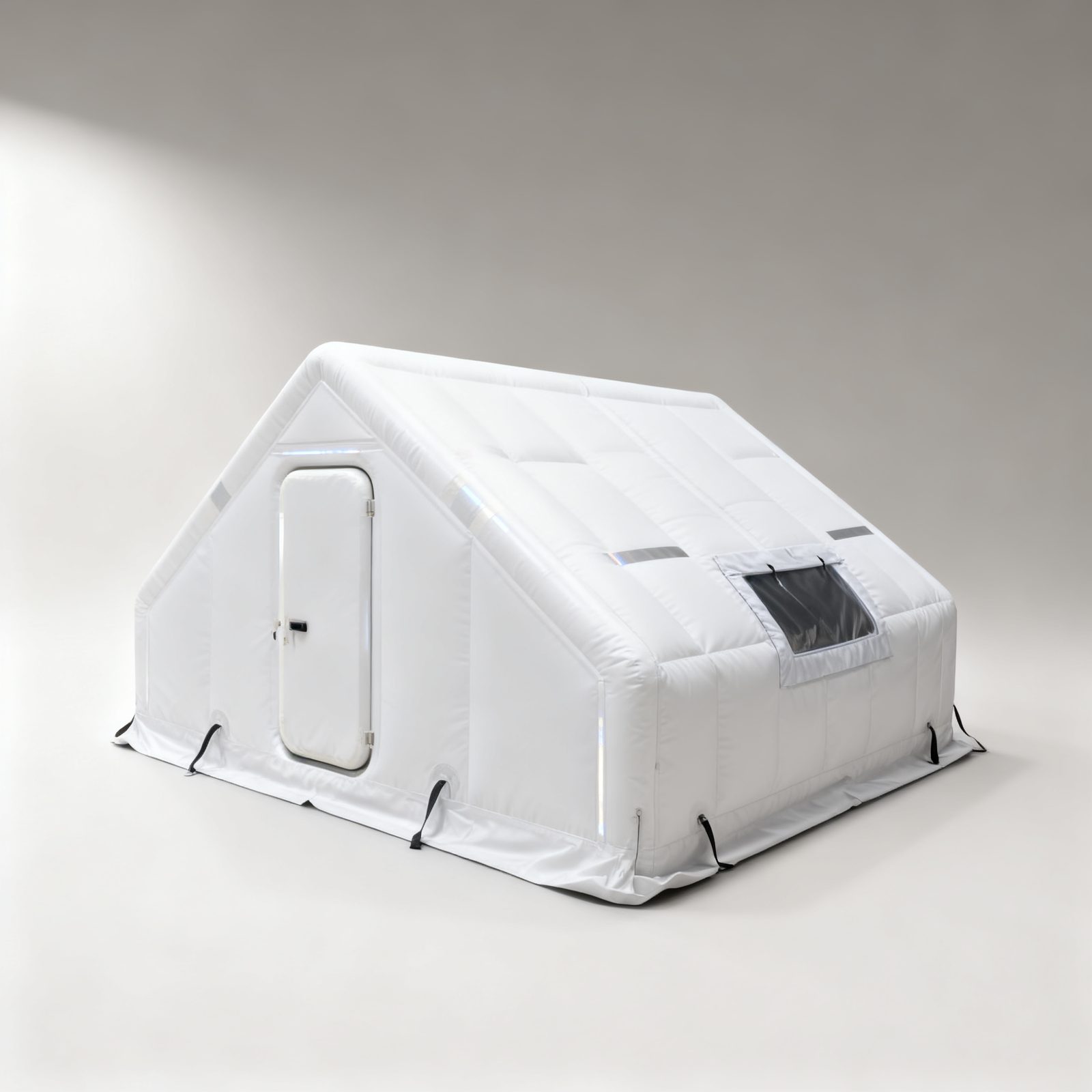
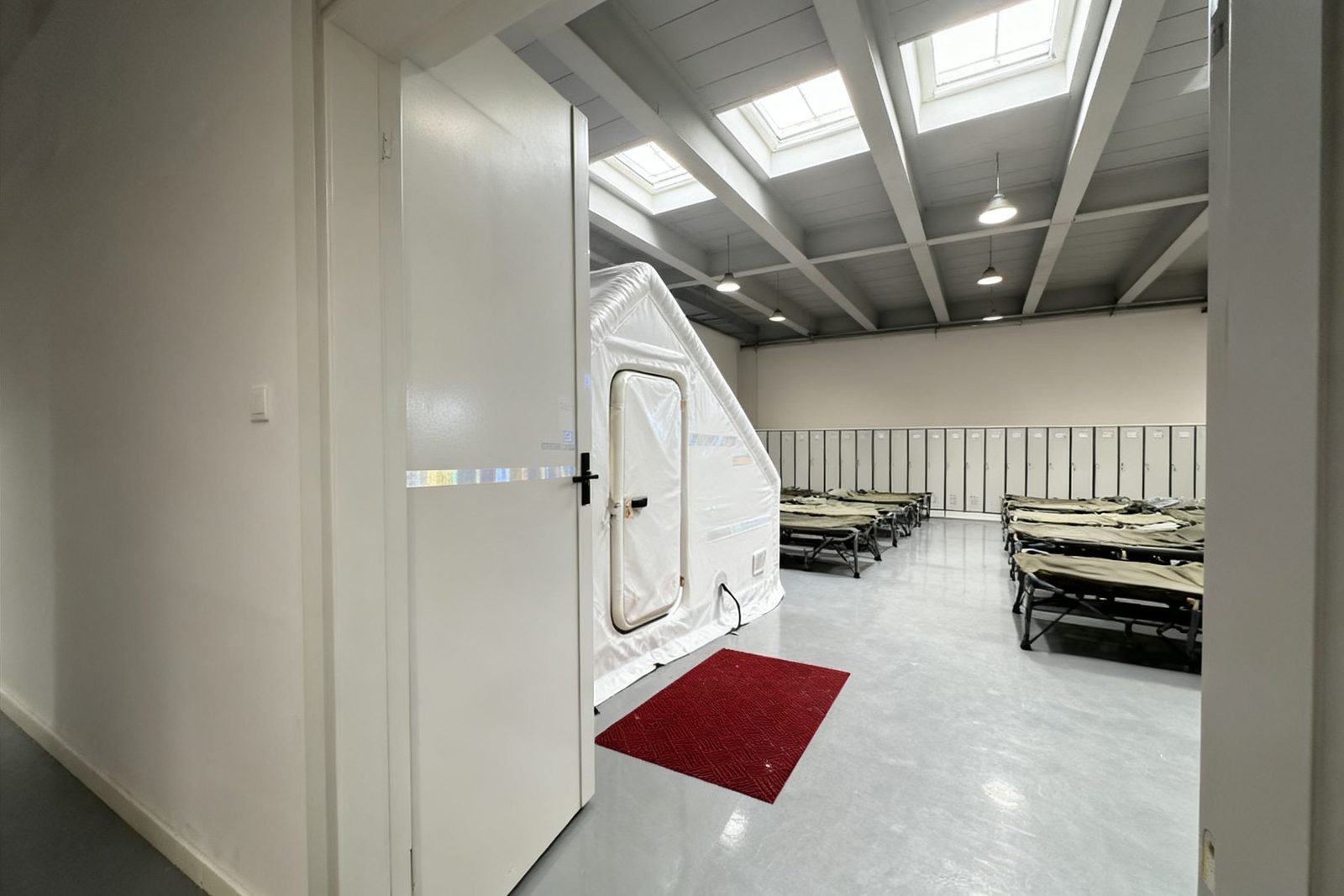
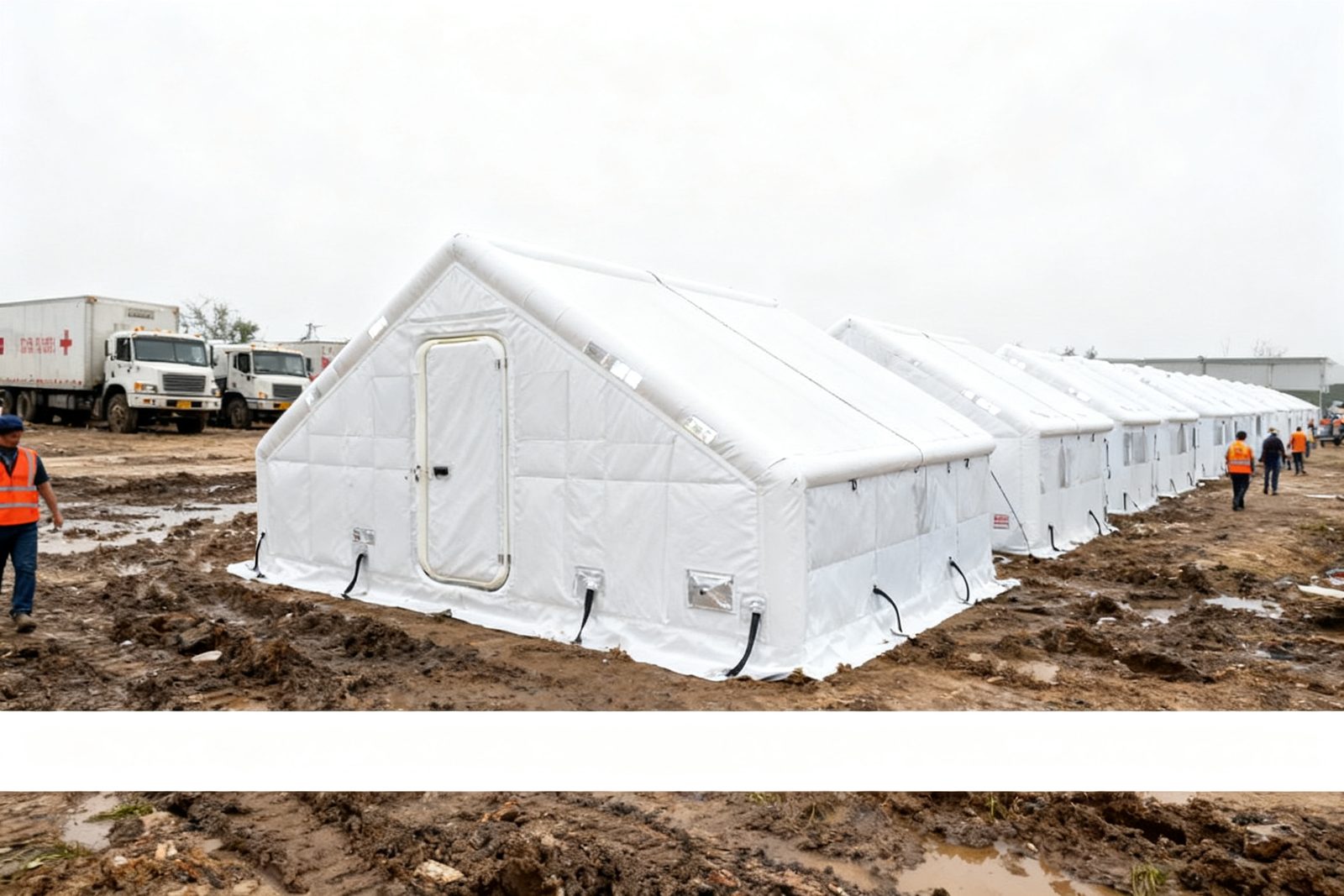
Unité d'isolement avec flux d'entrée et de sortie séparés.
Usages typiques
- Isolement temporaire pendant la lutte contre les maladies
- Détention et observation dans les ports et les hubs de transport
- Isolement de débordement pour les établissements médicaux
- Dépistage de santé lors d'événements de grande envergure
Pourquoi une structure gonflable
- Installé à distance du bâtiment principal, ce qui réduit le risque de contamination croisée
- Peut être décontaminé ou éliminé dans son ensemble après utilisation
Quand ce n'est pas le bon choix
Les performances en pression négative et l'étanchéité doivent être attestées par un test tiers. Tant que nous ne détenons pas ces rapports, nous ne faisons aucune affirmation concernant la classe d'isolement, et aucun fournisseur responsable ne devrait le faire.
La pression de fonctionnement, l'épaisseur de la membrane, la résistance à la traction et au déchirement, le poids, le volume emballé, les dimensions déployées, le classement au feu et la garantie sont en cours de vérification avec notre partenaire de fabrication et des laboratoires indépendants. Nous publions les chiffres lorsqu'ils sont documentés, pas avant.
Rapid deployable space → Envoyer les détails →
Page mise à jour 2026-10-13
Questions fréquentes
- À quelle vitesse un abri d'urgence peut-il être déployé ?
- Une petite unité est gonflée par une ou deux personnes en quelques minutes ; un camp est limité par la capacité de la source d'air et la préparation du site plutôt que par les abris. Nous publions les temps par modèle une fois qu'ils sont mesurés, pas avant.
- Qu'est-ce qu'un abri de transition ?
- Un abri de transition est l'étape entre une tente d'urgence et un logement permanent — suffisamment d'espace, d'intimité et de protection contre les intempéries pour y vivre pendant des mois pendant la reconstruction. Il n'est pas destiné à une occupation permanente.
- Les abris peuvent-ils être réutilisés après un déploiement ?
- Oui. Les unités sont nettoyées, séchées, réparées si nécessaire et réemballées, c'est pourquoi les acheteurs humanitaires les préfèrent aux tentes consommables. Les cycles de réutilisation dépendent plus de la discipline de manipulation que du produit.