Будівлі та укриття · Екстреное укриття
Ізоляційне укриття
Ізоляційне укриття
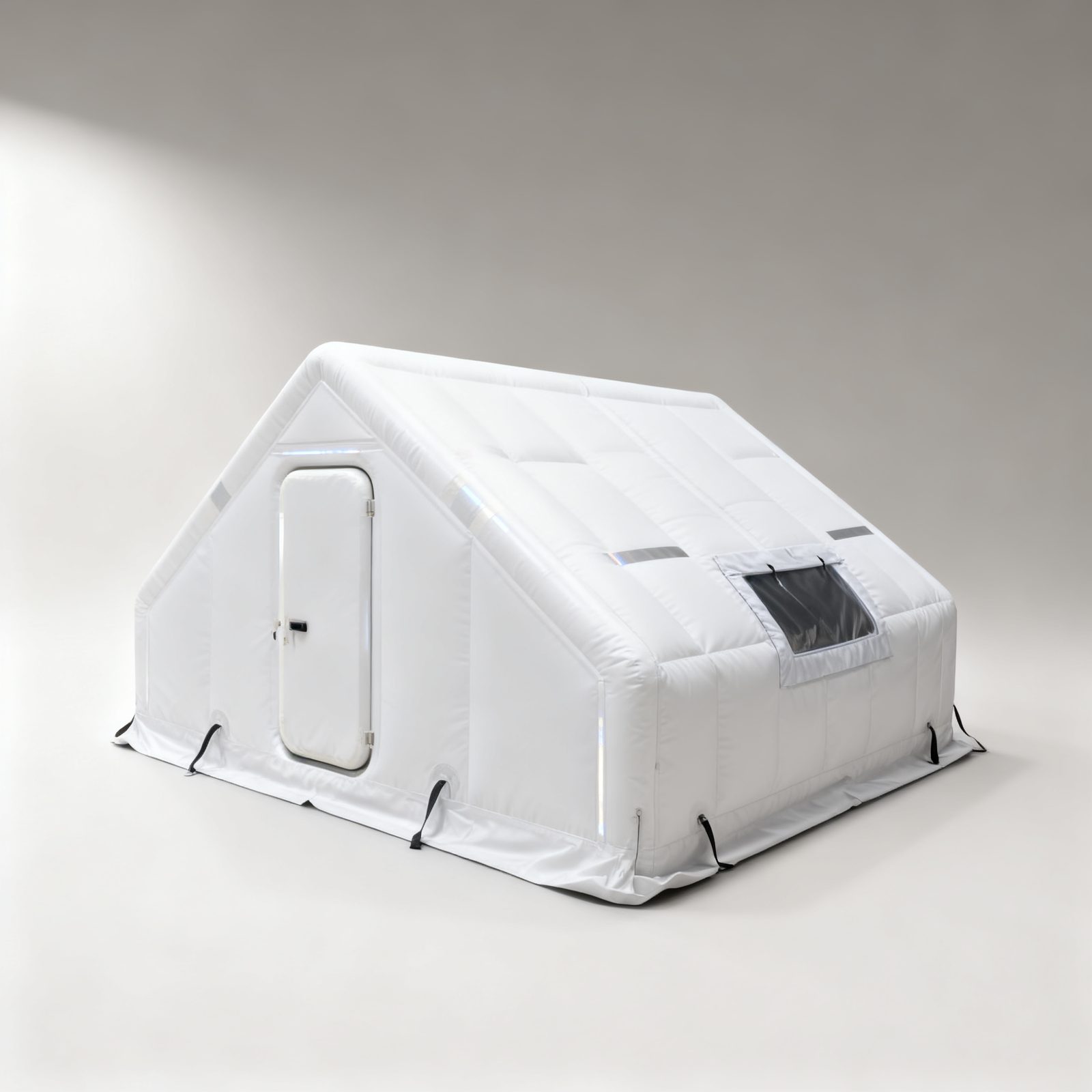
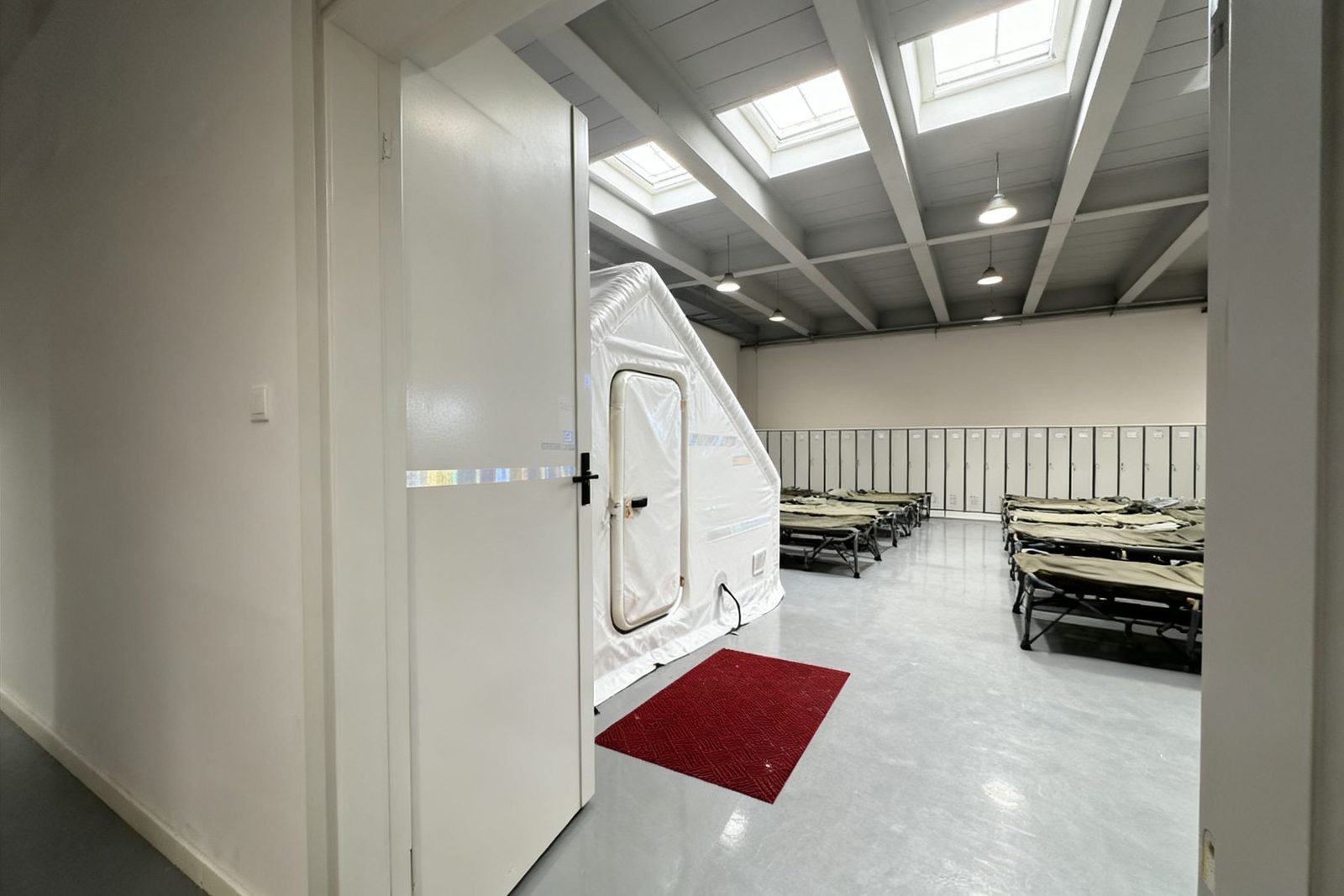
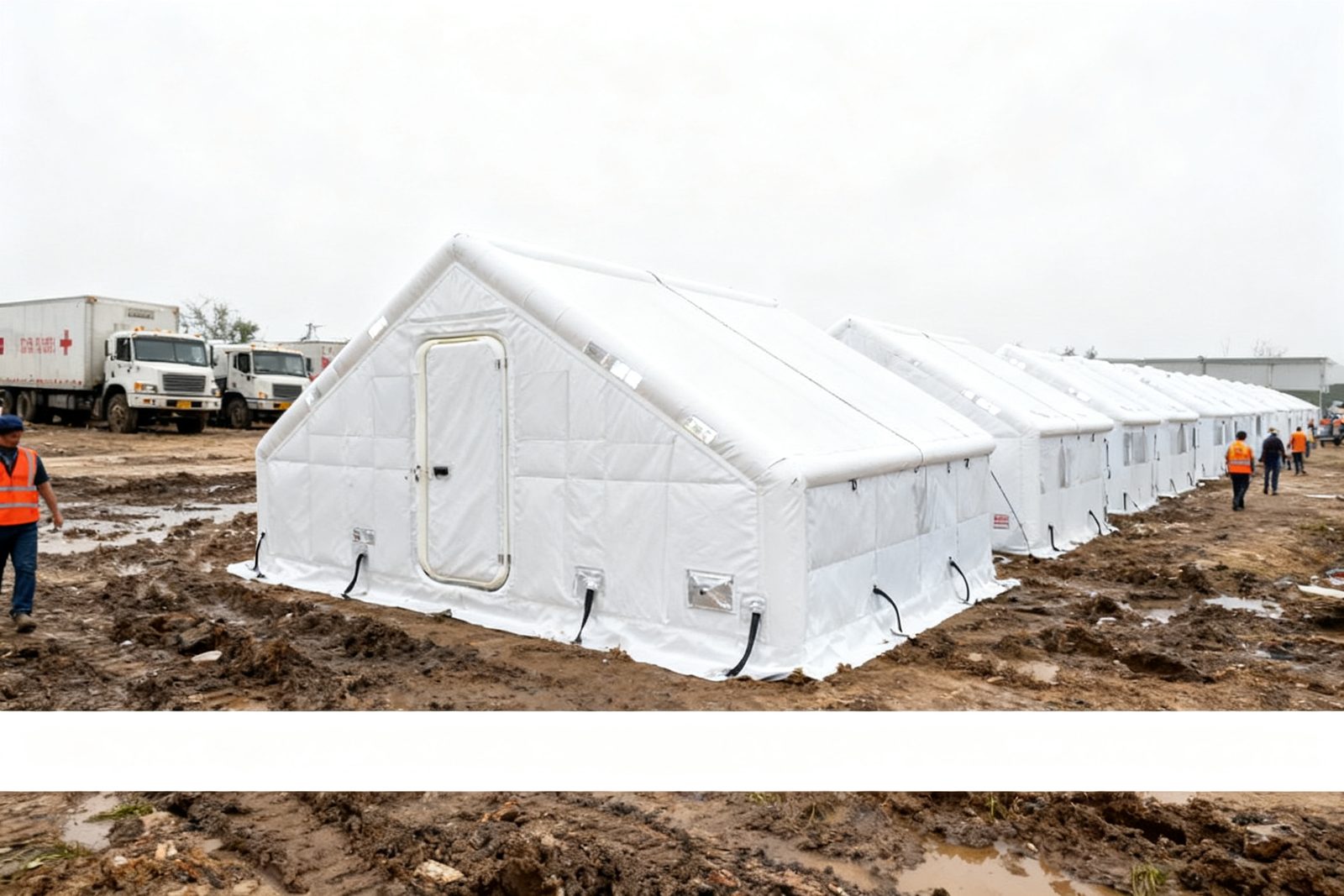
Ізоляційний модуль з розділеним потоком входу та виходу.
Типові сценарії
- Тимчасова ізоляція під час боротьби з хворобами
- Тримання та спостереження в портах та транспортних вузлах
- Додаткова ізоляція для медичних установ
- Медичне скринінгування на великих заходах
Чому пневмокаркасна конструкція
- Розташований поза межами основного будівлі, що зменшує ризик перехресного зараження
- Може бути дезінфіковано або утилизовано повністю після використання
Коли це не найкращий вибір
Показники негативного тиску та герметичності повинні підтверджуватися третіми сторонами. До тих пір, поки ми не матимемо цих звітів, ми не вносим жодних заявлень про клас ізоляції, і жоден відповідальний постачальник не повинен цього робити.
Технічні характеристики уточнюються у виробника
Робочий тиск, товщина мембрани, розривна та зносостійкість, вага, об'єм у упаковці, габарити у розгорнутому стані, пожежна характеристика та гарантія перевіряються нашими виробничими партнерами та незалежними лабораторіями. Ми опублікуємо дані лише після їх документального підтвердження, а не раніше.
Rapid deployable space → Надіслати деталі →
Сторінку оновлено 2026-10-13
Поширені запитання
- Як швидко можна розгорнути екстреное укриття?
- Маленький модуль надувають один або два людини за кілька хвилин; швидкість розгортання табору обмежується потужністю джерела повітря та підготовкою території, а не саміма конструкцією. Ми опублікуємо час розгортання для кожної моделі лише після його вимірювання, а не раніше.
- Що таке транзитне укриття?
- Транзитне укриття — це етап між екстреною наметом та постійним житлом — достатньо простору, приватності та захисту від погоди для проживання протягом місяців під час реконструкції. Воно не призначене для постійного проживання.
- Чи можна повторно використовувати укриття після розгортання?
- Так. Модулі очищаються, висушують, ремонтуються за необхідності та переупаковуються, тому гуманітарні покупці віддають перевагу їм перед одноразовими наметами. Кількість циклів повторного використання залежить більше від догляду за продуктом, ніж від самого продукту.