مباني ومآوي · مأوى طوارئ
مأوى عزل
مأوى عزل
وحدة عزل بتدفق دخول وخروج منفصل.
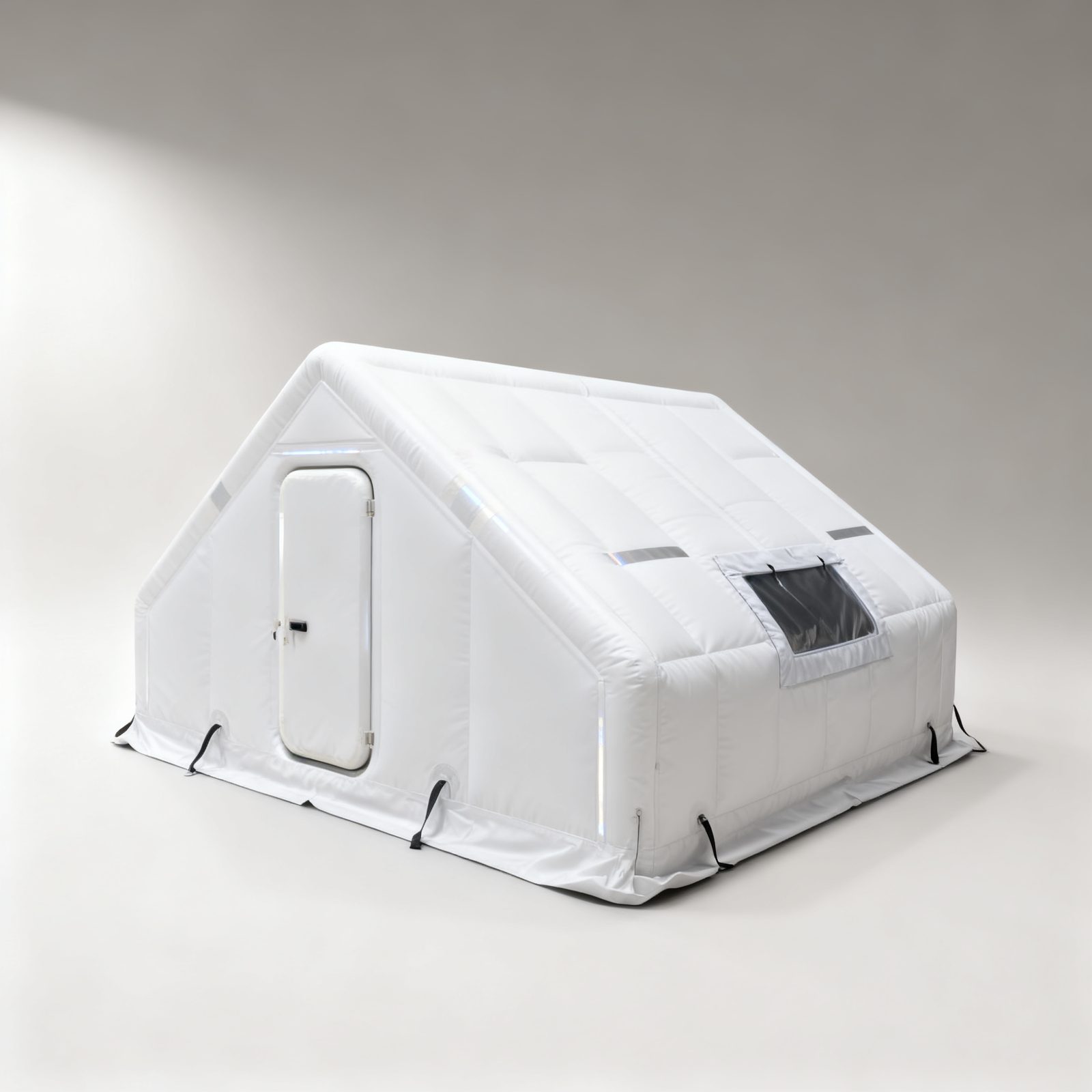
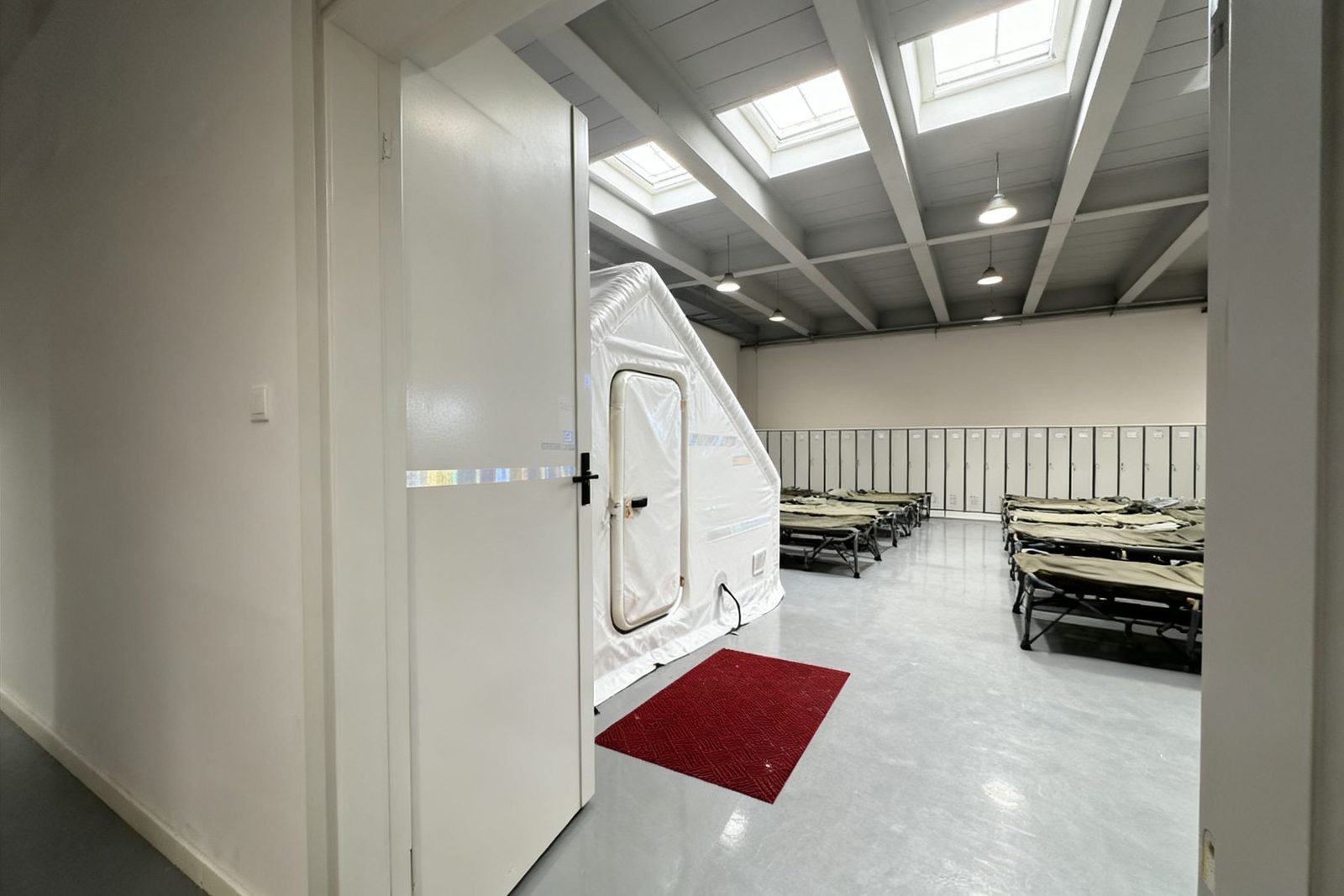
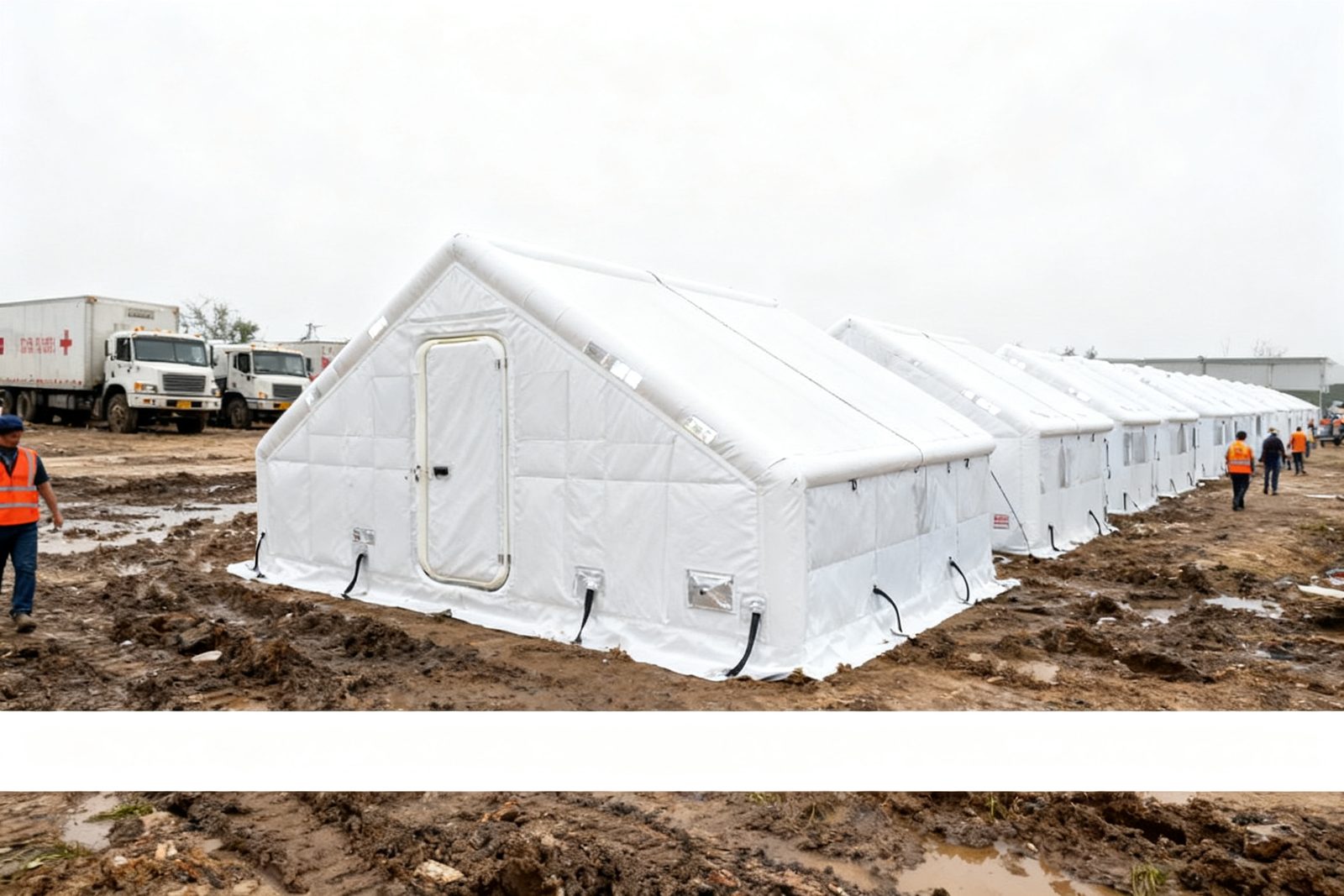
الاستخدامات النموذجية
- عزل مؤقت أثناء مكافحة الأمراض
- احتجاز ومراقبة في الموانئ ومراكز النقل
- عزل الفائض للمرافق الطبية
- فحص صحي في الفعاليات الكبيرة
لماذا هيكل قابل للنفخ
- تقع بعيدًا عن المبنى الرئيسي، مما يقلل من خطر التلوث المتبادل
- يمكن تطهيرها أو التخلص منها بالكامل بعد الاستخدام
متى لا يكون هذا الخيار المناسب
يجب إثبات أداء الضغط السلبي وإحكام الهواء باختبار طرف ثالث. حتى نحصل على تلك التقارير، لا نقدم أي ادعاء بشأن فئة العزل، ولا ينبغي لأي مورد مسؤول أن يفعل ذلك.
المواصفات قيد التحقق مع الشركة المصنعة
يتم التحقق من ضغط التشغيل، وسمك الغشاء، وقوة الشد والتمزق، والوزن، والحجم المعبأ، والأبعاد عند النشر، وتصنيف الحريق، والضمان مع شريكنا في التصنيع والمختبرات المستقلة. ننشر الأرقام عندما تكون موثقة، وليس قبل ذلك.
Rapid deployable space → أرسل التفاصيل →
تاريخ تحديث الصفحة 2026-10-13
الأسئلة الشائعة
- ما مدى سرعة نشر مأوى طوارئ؟
- يتم نفخ وحدة صغيرة بواسطة شخص أو شخصين في دقائق؛ يقتصر المخيم على سعة مصدر الهواء وتجهيز الموقع بدلاً من المآوي. ننشر الأوقات لكل نموذج بمجرد قياسها، وليس قبل ذلك.
- ما هو المأوى الانتقالي؟
- المأوى الانتقالي هو المرحلة بين خيمة الطوارئ والسكن الدائم — مساحة كافية وخصوصية وحماية من الطقس للعيش فيها لأشهر أثناء إعادة الإعمار. وهو غير مخصص للإشغال الدائم.
- هل يمكن إعادة استخدام المآوي بعد النشر؟
- نعم. يتم تنظيف الوحدات وتجفيفها وإصلاحها إذا لزم الأمر وإعادة تعبئتها، وهذا هو السبب في تفضيل المشترين الإنسانيين لها على الخيام المستهلكة. تعتمد دورات إعادة الاستخدام على الانضباط في التعامل أكثر من اعتمادها على المنتج.