Buildings & Shelters · Emergency Shelter
Isolation Shelter
изоляционное укрытие
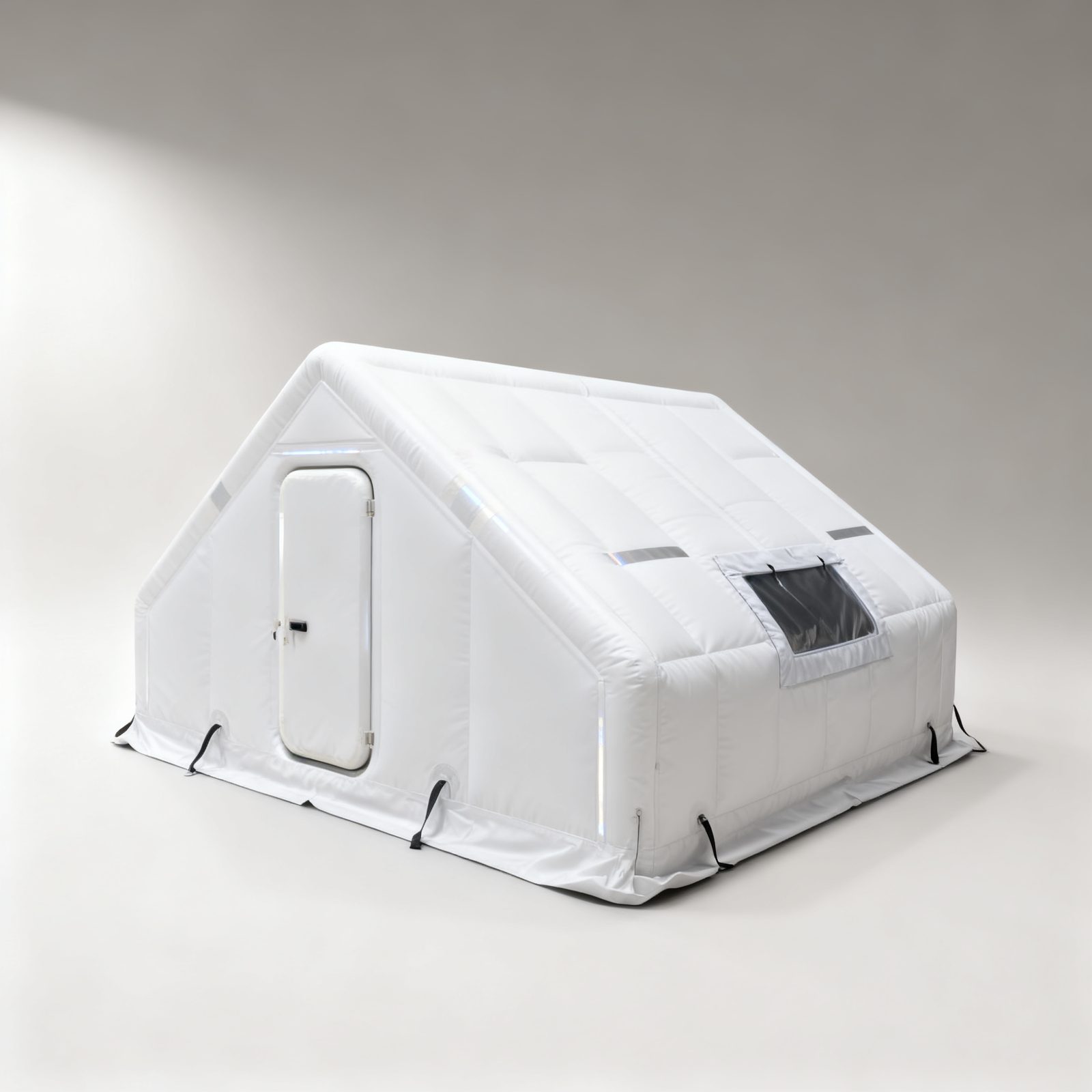
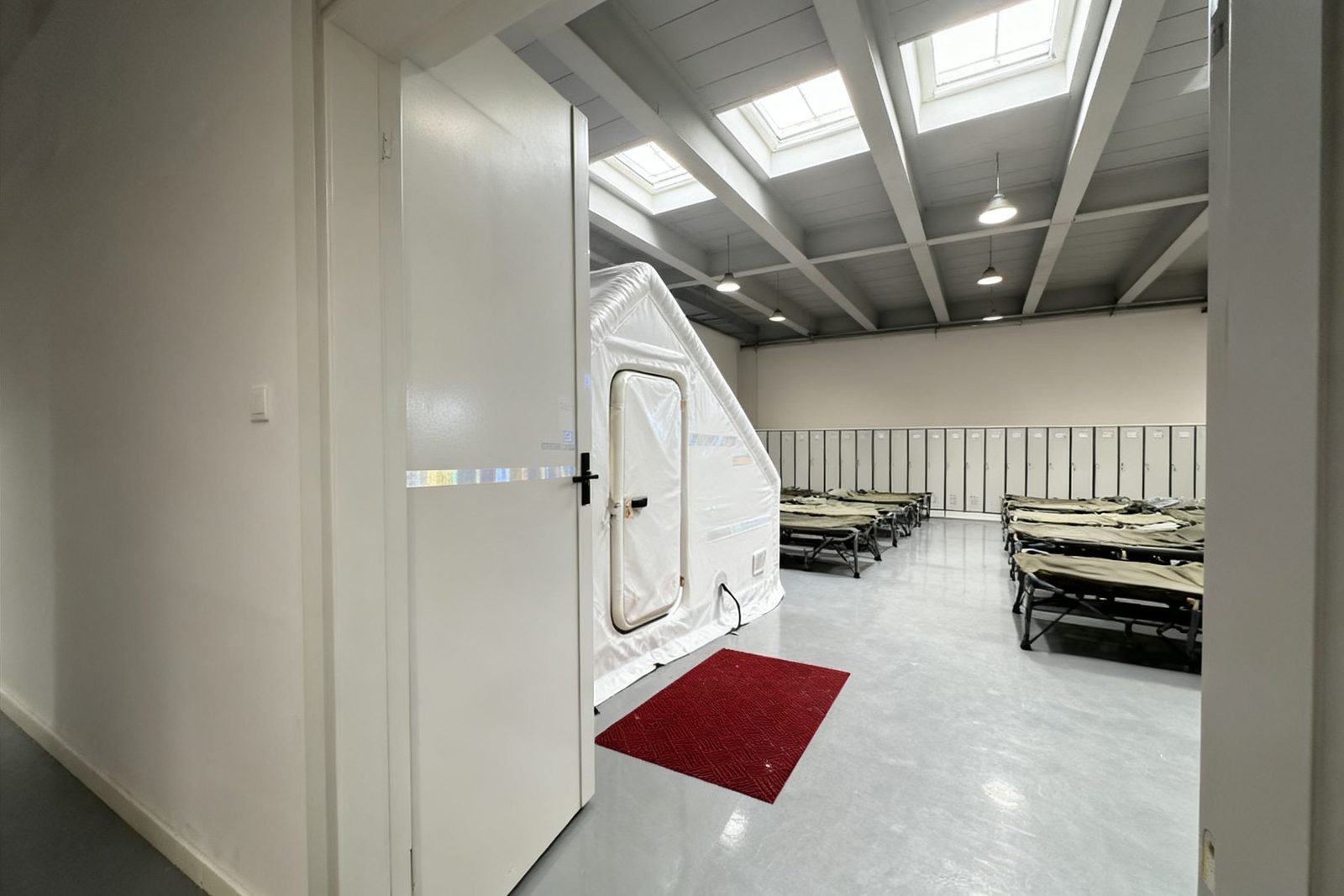
An isolation unit with a separated entry and exit flow.
Типовые сценарии
- Temporary isolation during disease control
- Holding and observation at ports and transport hubs
- Overflow isolation for medical facilities
- Health screening at large events
Почему пневмокаркасная конструкция
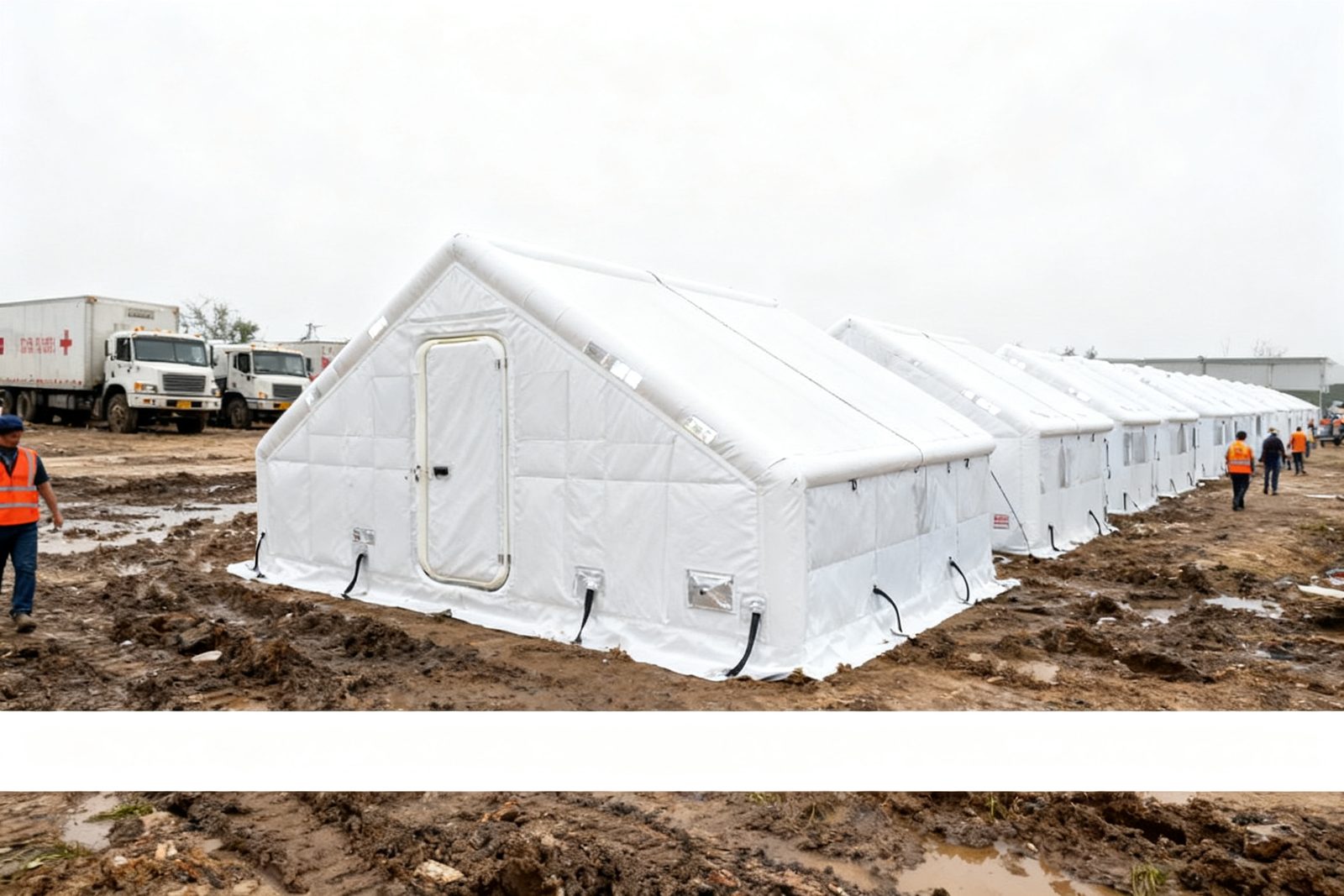
- Sited away from the main building, which reduces cross-contamination risk
- Can be decontaminated or disposed of as a whole after use
Когда это не подходит
Negative pressure performance and air-tightness must be evidenced by third-party test. Until we hold those reports we make no claim about isolation class, and no responsible supplier should.
Параметры уточняются у производителя
Рабочее давление, толщина мембраны, прочность на разрыв и раздир, масса, объём в упаковке, габариты в развёрнутом виде, класс огнестойкости и гарантия уточняются у производителя и в независимых лабораториях. Мы публикуем цифры только когда они подтверждены документами.
Rapid deployable space → Отправить данные →
Страница обновлена 2026-10-12
Частые вопросы
- How fast can an emergency shelter be deployed?
- A small unit is inflated by one or two people in minutes; a camp is limited by air-source capacity and site preparation rather than by the shelters. We publish per-model times once they are measured, not before.
- What is a transitional shelter?
- A transitional shelter is the stage between an emergency tent and permanent housing — enough space, privacy and weather protection to live in for months while reconstruction happens. It is not intended for permanent occupancy.
- Can shelters be reused after a deployment?
- Yes. Units are cleaned, dried, repaired if needed and repacked, which is why humanitarian buyers favour them over consumable tents. Reuse cycles depend on handling discipline more than on the product.