Gebäude & Unterkünfte · Notfallunterkunft
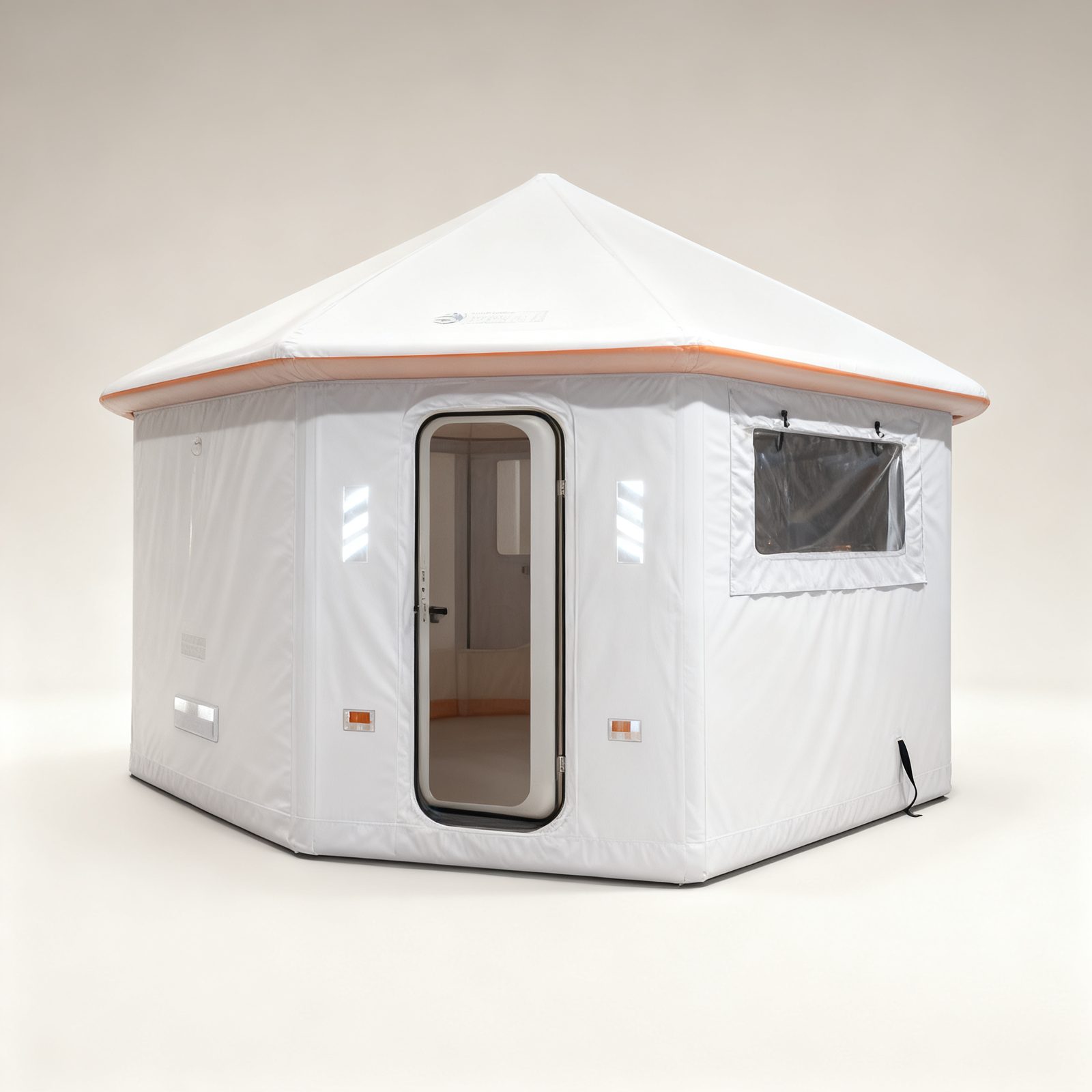
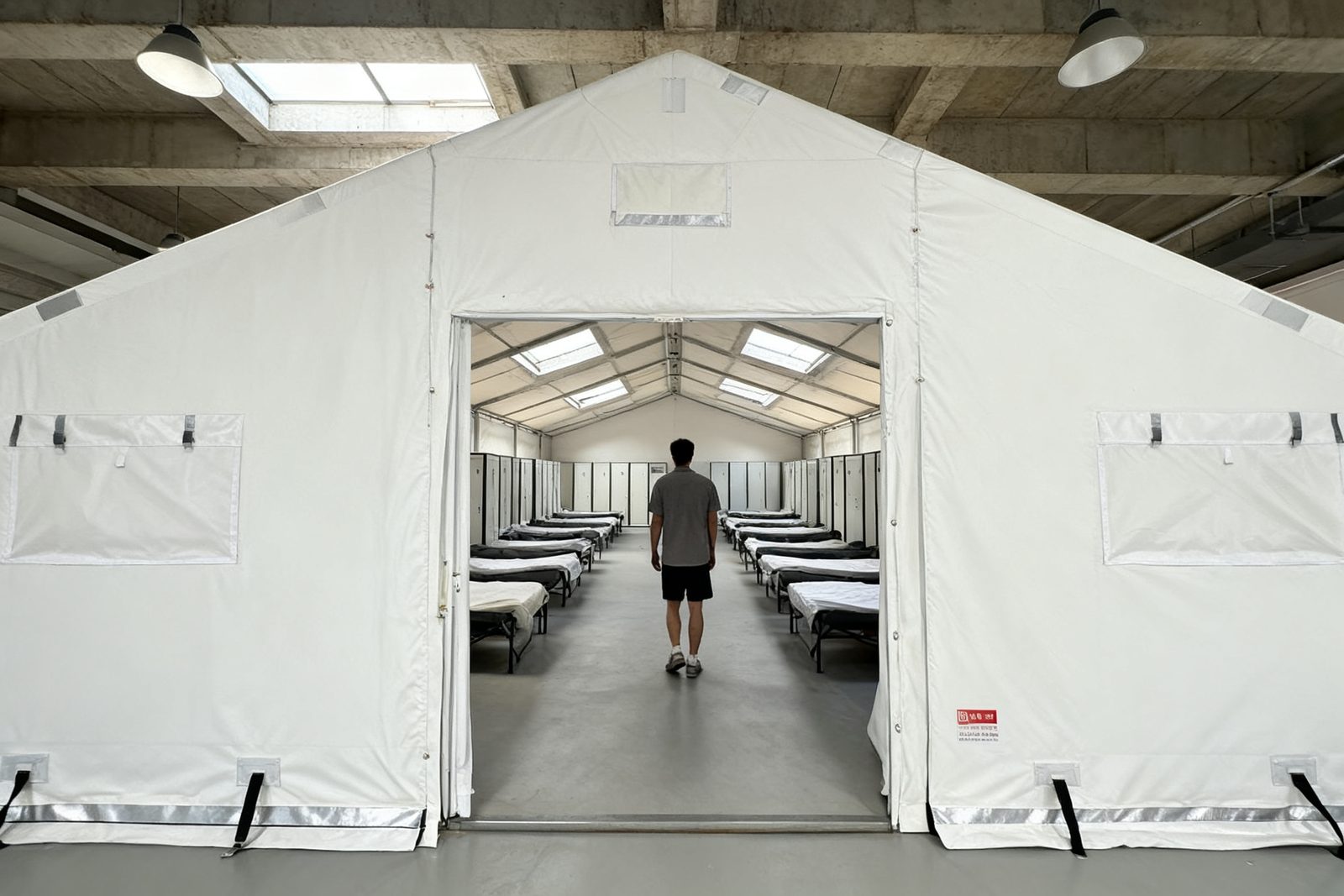
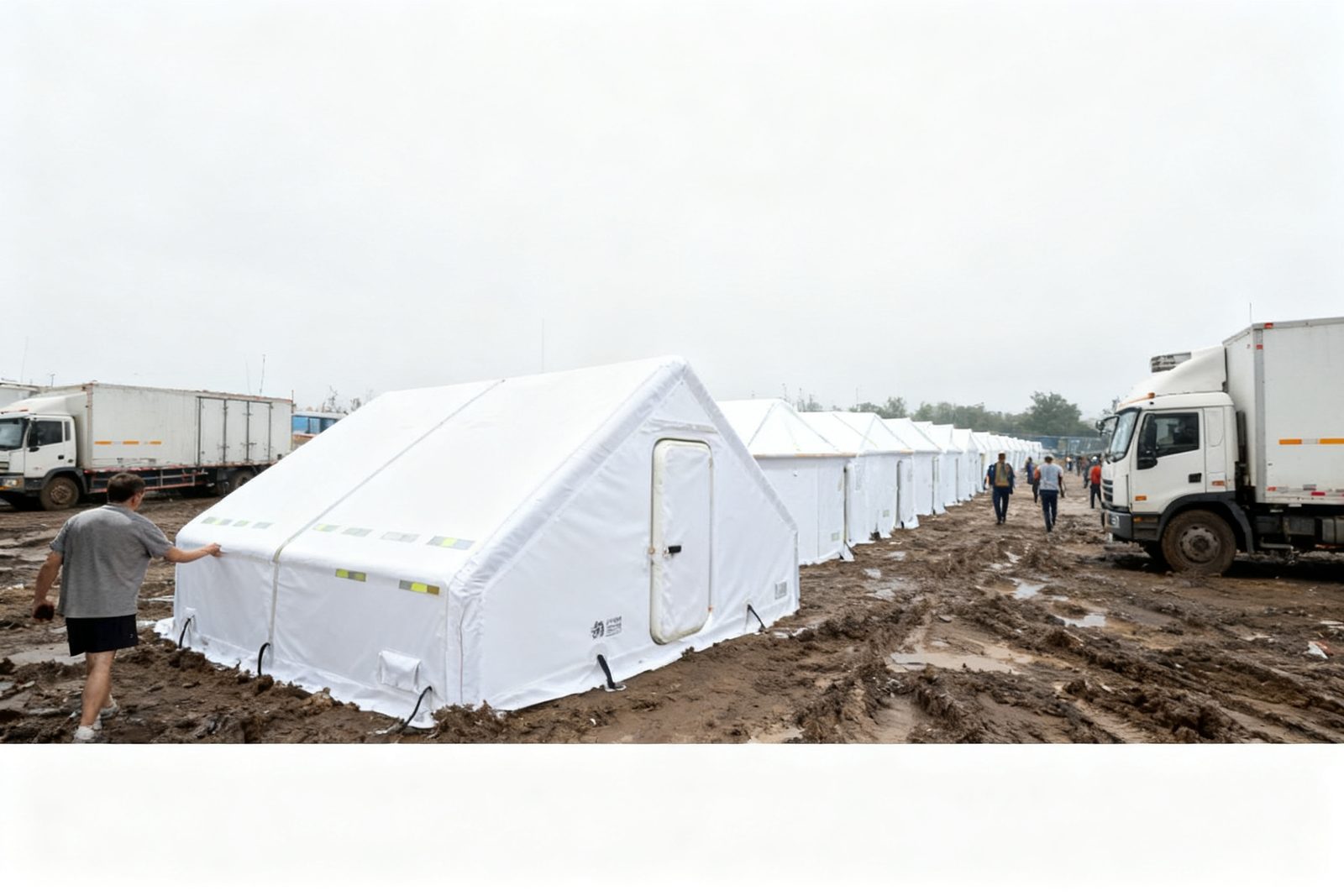
Transit Shelter
Transitunterkunft
Eine temporäre Sammel- und Ruheeinheit entlang einer Evakuierungsroute.
Typische Einsätze
- Ruhepunkte auf Evakuierungsrouten
- Registrierungs- und Verteilpunkte
- Abdeckung an Versorgungsverteilpunkten
- Übernachtungsstaging während der Bewegung
Warum eine aufblasbare Konstruktion
- Schnell auf- und abzubauen, passend zur Mobilität eines Transitpunkts
- Vorschreitend mit der Route
Wann dies nicht die richtige Wahl ist
Übernachtungsunterkunft. Transitpunkte sind für Aufenthalte von Stunden konzipiert und verfügen über keine Ausstattung für Unterkünfte.
Technische Daten werden beim Hersteller verifiziert
Arbeitsdruck, Membrandicke, Zug- und Reißfestigkeit, Gewicht, Packvolumen, ausgebaute Abmessungen, Brandklassifizierung und Garantie werden derzeit mit unserem Herstellungspartner und unabhängigen Laboratorien verifiziert. Wir veröffentlichen Zahlen, sobald sie dokumentiert sind, nicht vorher.
Rapid deployable space → Details senden →
Seite aktualisiert 2026-10-13
Häufige Fragen
- Wie schnell kann eine Notfallunterkunft bereitgestellt werden?
- Eine kleine Einheit wird von einer oder zwei Personen in Minuten aufgeblasen; ein Camp ist durch die Luftversorgungs Kapazität und die Standortvorbereitung limitiert, nicht durch die Unterkünfte. Wir veröffentlichen modellspezifische Zeiten, sobald sie gemessen sind, nicht vorher.
- Was ist eine Übergangsunterkunft?
- Eine Übergangsunterkunft ist die Stufe zwischen einem Notfallzelt und einer permanenten Wohnung – ausreichend Platz, Privatsphäre und Wetter Schutz, um während der Rekonstruktion Monate lang darin zu leben. Sie ist nicht für eine permanente Belegung vorgesehen.
- Können Unterkünfte nach einer Einsatz wiederverwendet werden?
- Ja. Einheiten werden gereinigt, getrocknet, bei Bedarf repariert und wieder verpackt, weshalb humanitäre Käufer sie gegenüber Verbrauchszelten bevorzugen. Wiederverwendungszyklen hängen mehr von der Handhabungsdisziplin als vom Produkt ab.