Low-Ir Signature Fabric
IR-armes Gewebe
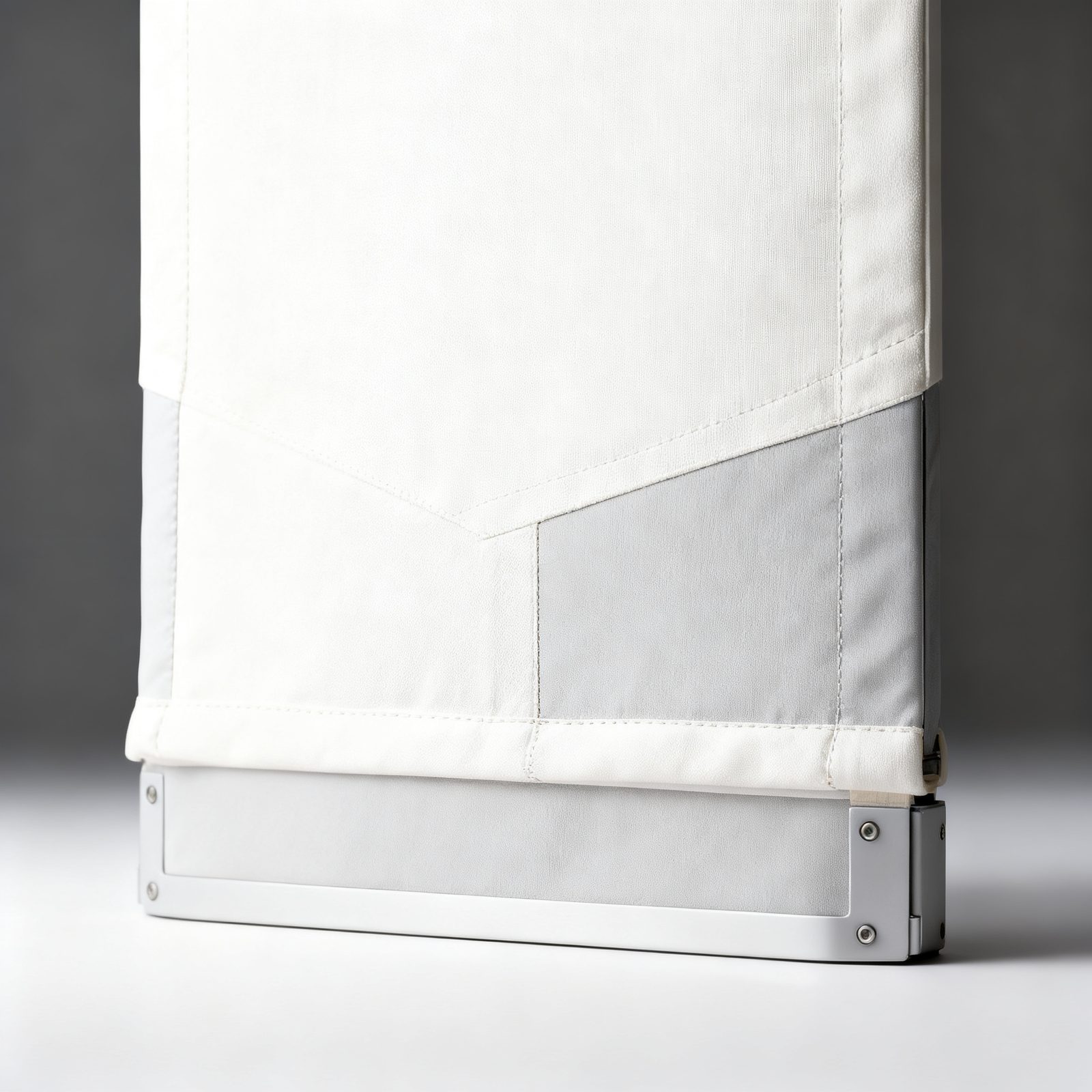
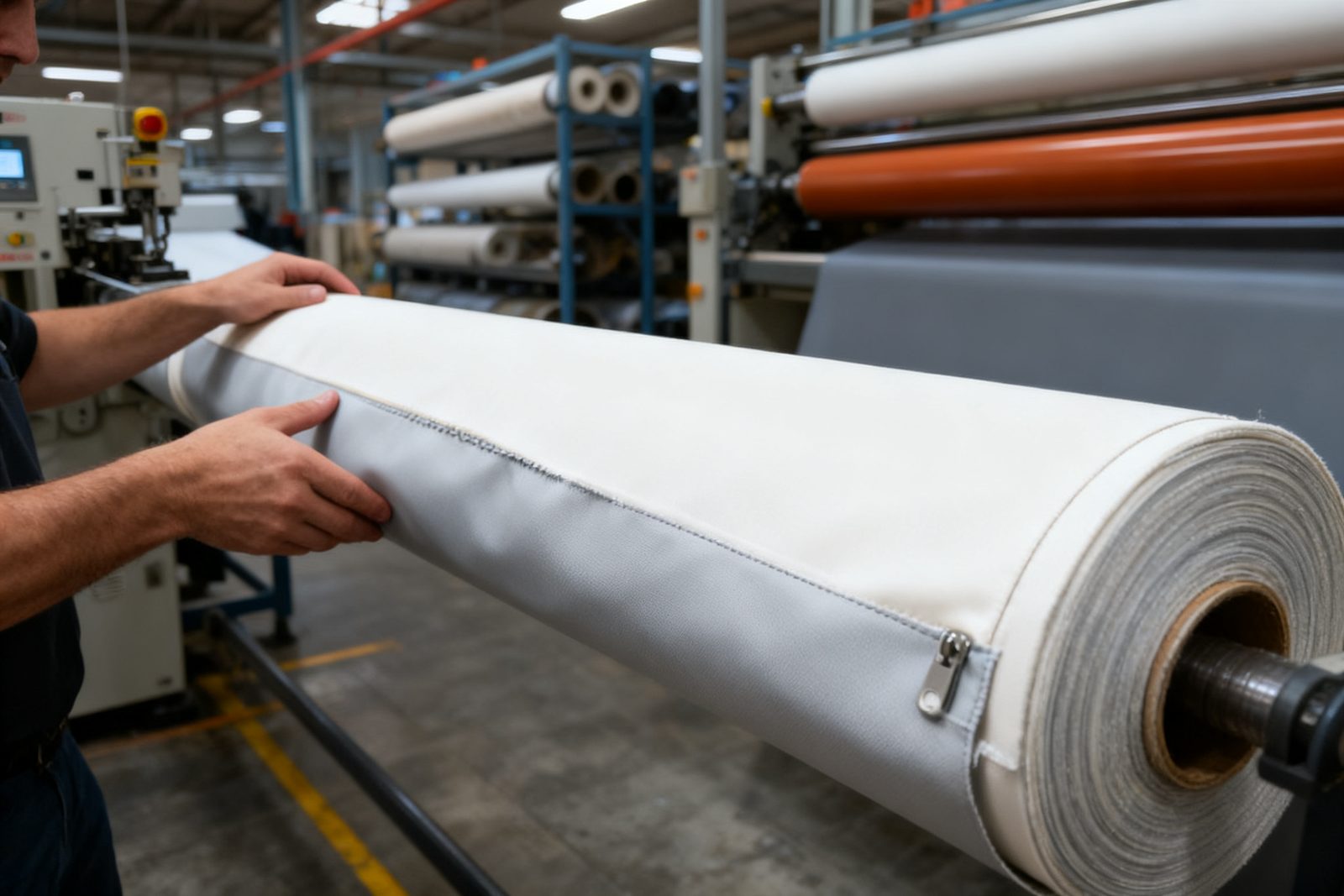
Spezialgewebe zur Reduktion der Infrarotsignatur.
Typische Einsätze
- Militärische Strukturen mit Anforderungen an die Infrarotsignatur
- Nachtoperationen mit Anforderungen an eine geringe Erkennbarkeit
Warum eine aufblasbare Konstruktion
- Verringert die Erkennbarkeit unter Wärmebildkameras
Wann dies nicht die richtige Wahl ist
Dieser Artikel ist zur Bewertung markiert. Die Unterdrückung der Infrarotsignatur ist eine spezialisierte Technologie, die spezifische Materialien und Tests erfordert. Bis unser Herstellungspartner diese Fähigkeit bestätigt, listen wir sie nicht als verfügbar auf, und wir werden dies bei jeder Anfrage mitteilen.
Arbeitsdruck, Membrandicke, Zug- und Reißfestigkeit, Gewicht, Packvolumen, entfaltete Abmessungen, Brandschutzklasse und Garantie werden mit unserem Herstellungspartner und unabhängigen Laboratorien verifiziert. Wir veröffentlichen Zahlen, wenn sie dokumentiert sind, nicht vorher.
Fabric and contract manufacturing → Details senden →
Seite aktualisiert 2026-10-13
Häufige Fragen
- Was ist Drop-Stitch-Gewebe?
- Drop-Stitch-Gewebe besteht aus zwei Schichten beschichteten Grundgewebes, die durch zehntausende interne Fäden gleicher Länge verbunden sind. Bei Aufblasen halten diese Fäden die beiden Flächen parallel und verwandeln das Gewebe in ein starres Panel mit definierter Dicke.
- Wie wird Drop-Stitch-Gewebe hergestellt?
- Die beiden Flächen und die verbindenden Fäden werden auf einer spezialisierten Maschine gewebt oder gestrickt und anschließend mit PVC oder TPU beschichtet. Die Fadenstruktur entsteht während des Webens und kann nicht nachträglich hinzugefügt werden.
- Welche Dicke von Drop-Stitch-Gewebe ist verfügbar?
- Die kommerziell erhältliche Kammer Tiefe liegt ungefähr zwischen fünf und dreißig Zentimetern, deckt Paddleboards, Bootsstellen, Gymnastikmatten und die meisten Schutzwandungen ab. Alles außerhalb dieses Bereichs sollte vor der Konstruktion mit der Mühle bestätigt werden.
- Ist TPU besser als PVC für Drop-Stitch?
- TPU bleibt bei Kälte flexibel, altert unter UV-Licht besser und ist bei gleicher Festigkeit leichter; PVC kostet weniger, schweißt schneller und bietet eine größere Farbpalette. Für den gemäßigten saisonalen Einsatz ist PVC normalerweise die richtige kommerzielle Lösung.