Budynki i Schronienia · Środowisko Ekstremalne
Obóz Wysokogórski
Obóz wysokogórski
Moduły obozowe pneumatyczne do pracy na dużych wysokościach.
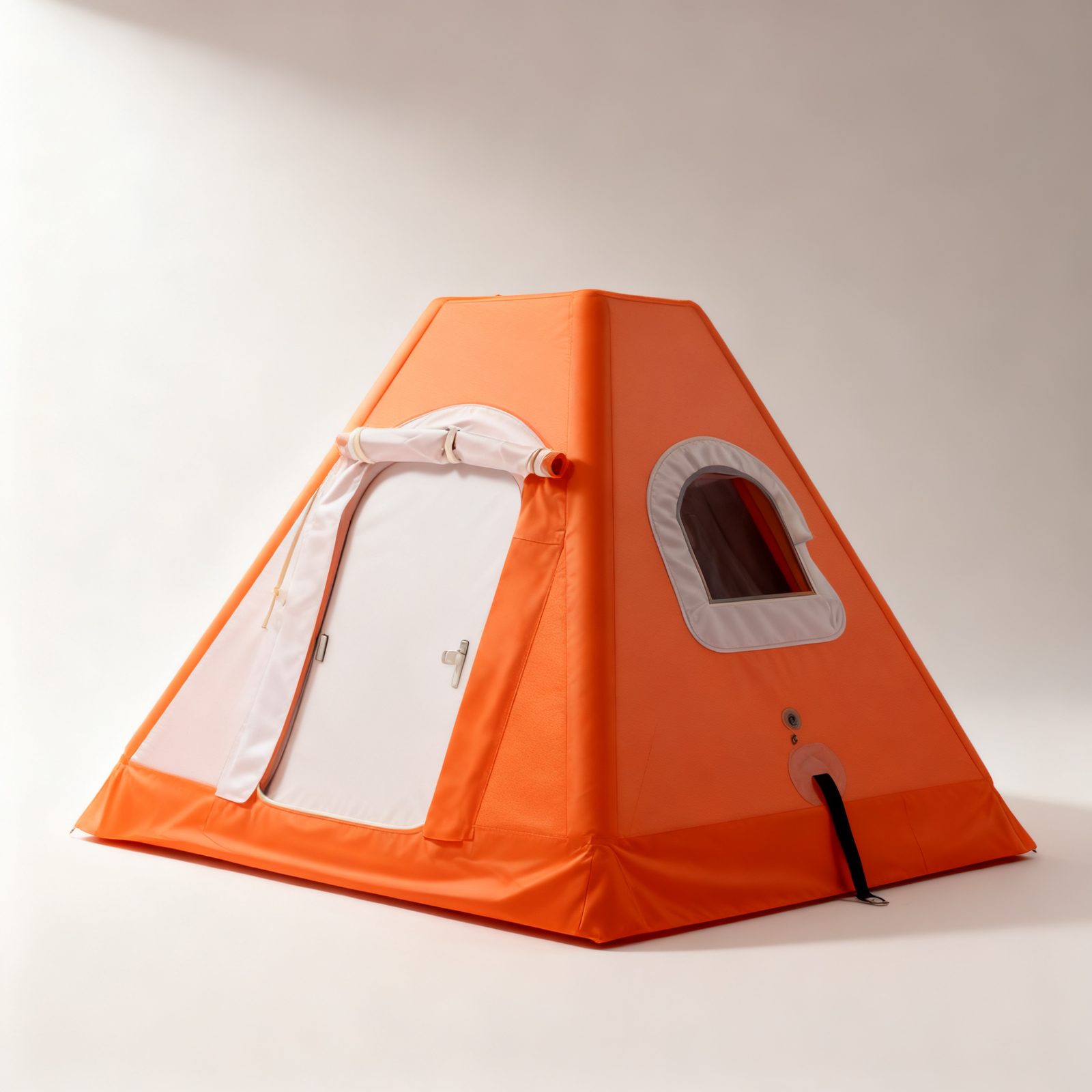
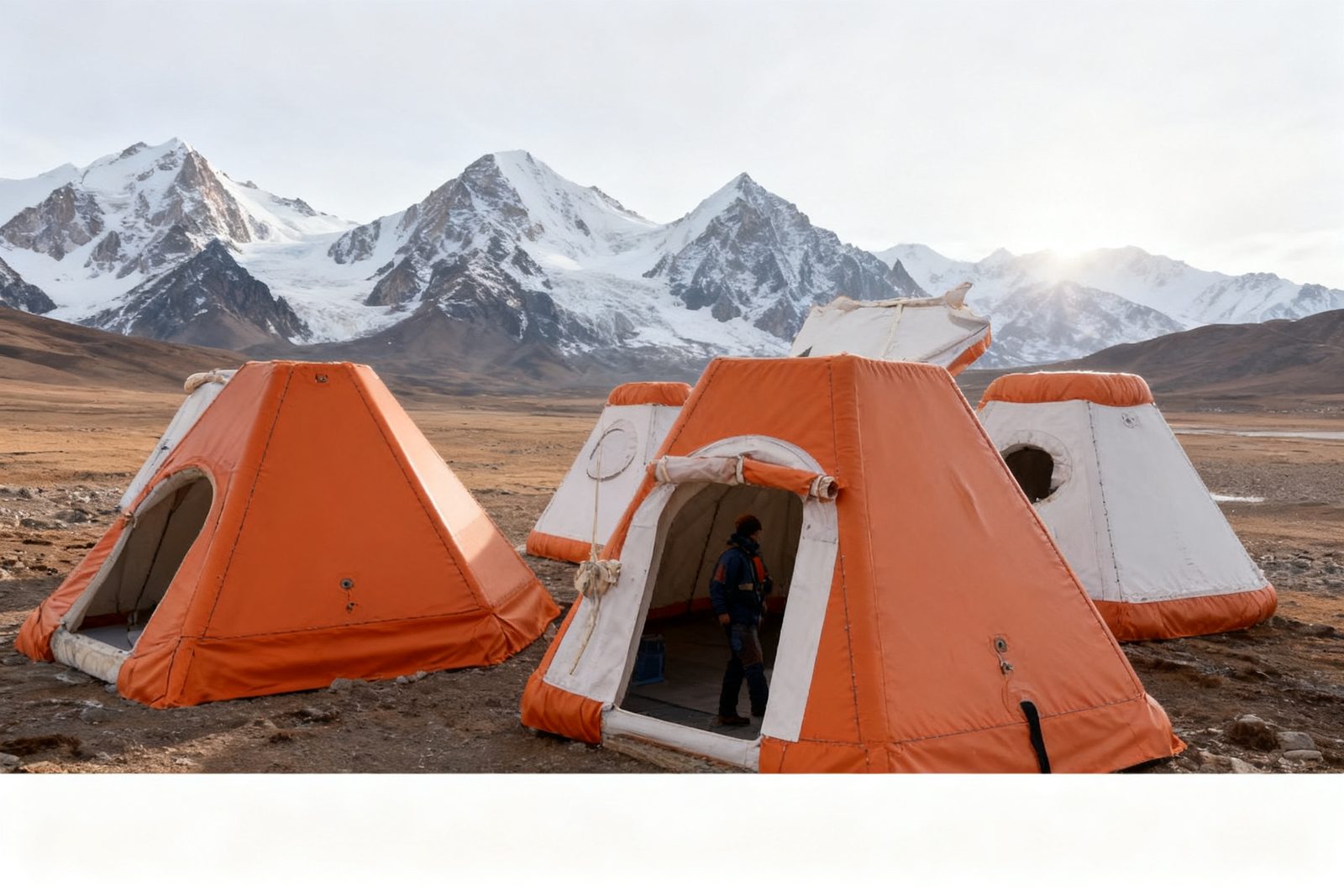
Typowe zastosowania
- Obozy budowlane dróg i torów kolejowych na wysokosciach
- Górnictwo i eksploracja na wysokosciach
- Posty graniczne w terenie górskim
- Wsparcie naukowe i alpinistyczne
Dlaczego konstrukcja pneumatyczna
- Koszt transportu dominuje na wysokosciach, a napędza go objętość w opakowaniu
- Krótkie sezony robocze nagradzają szybkie montaż
- Brak wymogu użycia maszyn na miejscu
Kiedy to nie jest właściwy wybór
UV na wysokosciach atakuje powłoki szybciej niż na poziomie morza, i nie posiadamy jeszcze danych na temat starzenia się w takich warunkach. Systemy tlenowe nie są częścią tego produktu.
Parametry w trakcie weryfikacji u producenta
Ciśnienie robocze, grubość membrany, wytrzymałość na rozciąganie i pękanie, waga, objętość w opakowaniu, wymiary po rozwinięciu, klasyfikacja ogniowa i gwarancja są weryfikowane przez naszego partnera produkcyjnego i niezależne laboratoria. Publikujemy dane, gdy są udokumentowane, a nie wcześniej.
Access-constrained deployment → Wyślij szczegóły →
Strona zaktualizowana 2026-10-13
Częste pytania
- Czy schronienia pneumatyczne działają w ekstremalnie zimnych warunkach?
- Zachowanie powłoki zmienia się w niskich temperaturach — PVC staje się sztywnym, TPU pozostaje elastycznym. Nie przyjmujemy projektów polarnych lub arktycznych bez danych testowych w niskich temperaturach dla konkretnej tkaniny, ponieważ ściana, która pęka przy minus czterdziestu stopniach, nie jest schronieniem.
- Czy schronienia można dostarczyć tam, gdzie nie ma drogi?
- To jest główny powód, dla którego istnieją. Objętość w opakowaniu decyduje o tym, ile jednostek zmieści się w samolocie lub na łodzi, a montaż nie wymaga dźwigu ani wyszkolonej załogi.
- Jak są zakotwiczone na piasku, skale lub zamarzniętym gruncie?
- Zakotwiczenie jest specyficzne dla miejsca i jest częścią najczęściej niedoszacowaną. Piasek, permafrost i skała wymagają różnych typów kotwic, a plan zakotwiczenia powinien być uzgodniony przed określeniem parametrów struktury.