Buildings & Shelters · Extreme Environment
High-Altitude Camp
высокогорный лагерь
Inflatable camp modules for work at high elevation.
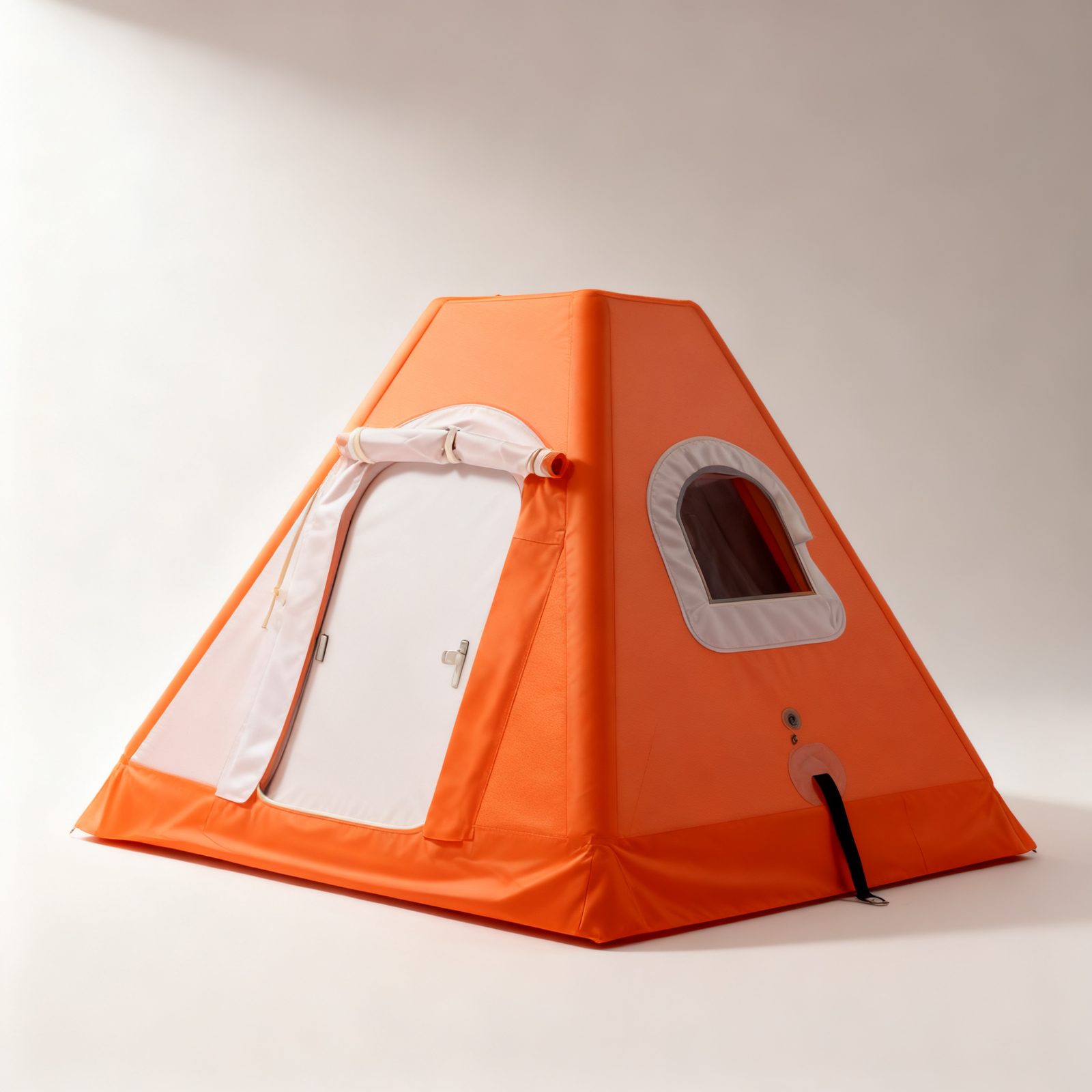
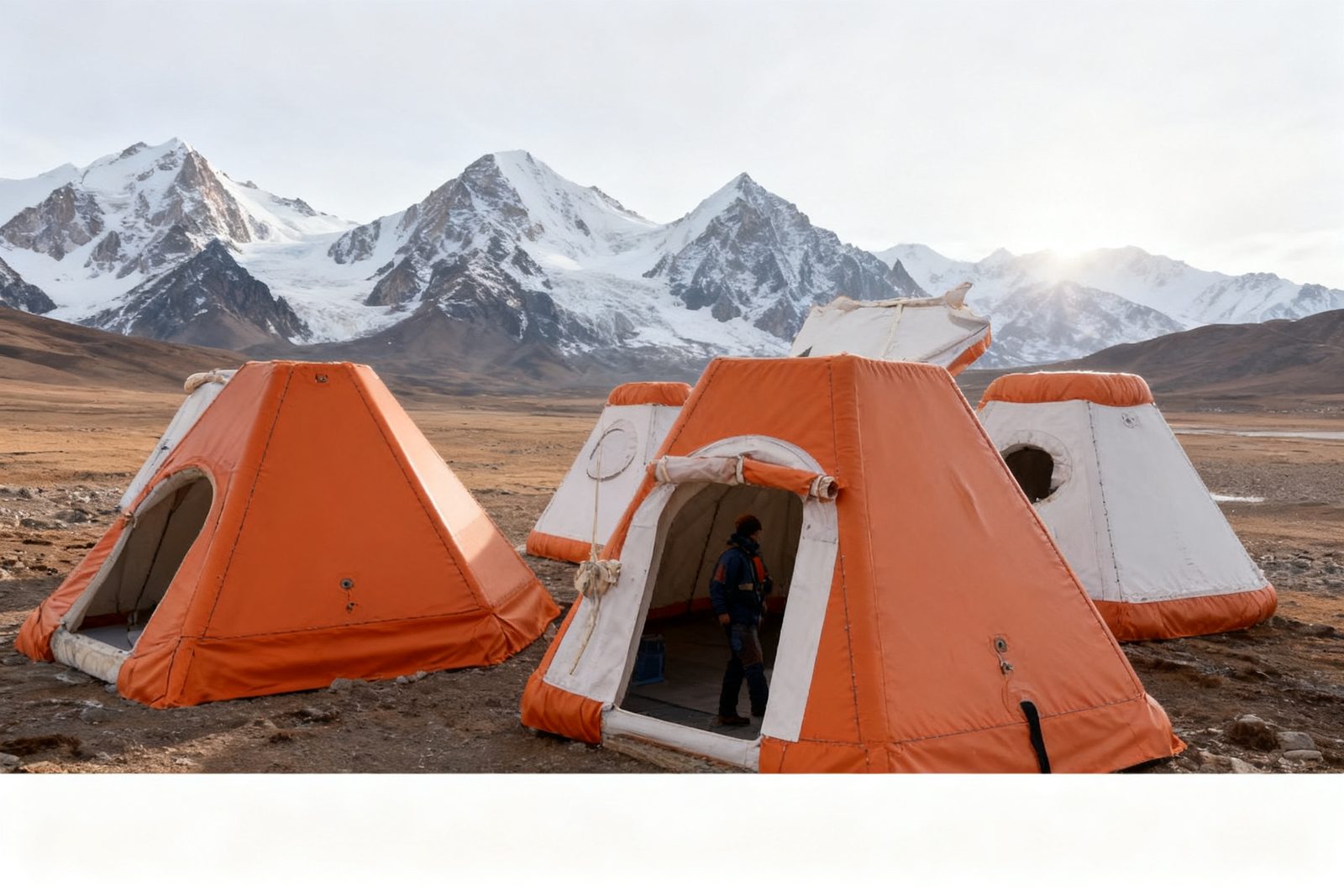
Типовые сценарии
- High-altitude road and rail construction camps
- Mining and exploration at elevation
- Frontier posts in mountain terrain
- Scientific and mountaineering support
Почему пневмокаркасная конструкция
- Transport cost dominates at altitude and packed volume drives it
- Short working seasons reward fast erection
- No plant required on site
Когда это не подходит
High-altitude UV attacks coatings faster than at sea level, and we do not yet hold ageing data for it. Oxygen systems are not part of this product.
Параметры уточняются у производителя
Рабочее давление, толщина мембраны, прочность на разрыв и раздир, масса, объём в упаковке, габариты в развёрнутом виде, класс огнестойкости и гарантия уточняются у производителя и в независимых лабораториях. Мы публикуем цифры только когда они подтверждены документами.
Access-constrained deployment → Отправить данные →
Страница обновлена 2026-10-13
Частые вопросы
- Do inflatable shelters work in extreme cold?
- Coating behaviour changes at low temperature — PVC stiffens, TPU stays flexible. We do not accept polar or arctic projects without low-temperature test data on the specific fabric, because a wall that cracks at minus forty is not a shelter.
- Can shelters be delivered where there is no road?
- That is the main reason they exist. Packed volume decides how many units fit in an aircraft or on a boat, and erection needs no crane or trained crew.
- How are they anchored on sand, rock or frozen ground?
- Anchoring is site-specific and is the part most often underestimated. Sand, permafrost and rock each need a different anchor type, and the anchoring plan should be agreed before the structure is specified.