Tkanina powlekana o retardacji płomiennej
tkanina powlekana trudnopalna
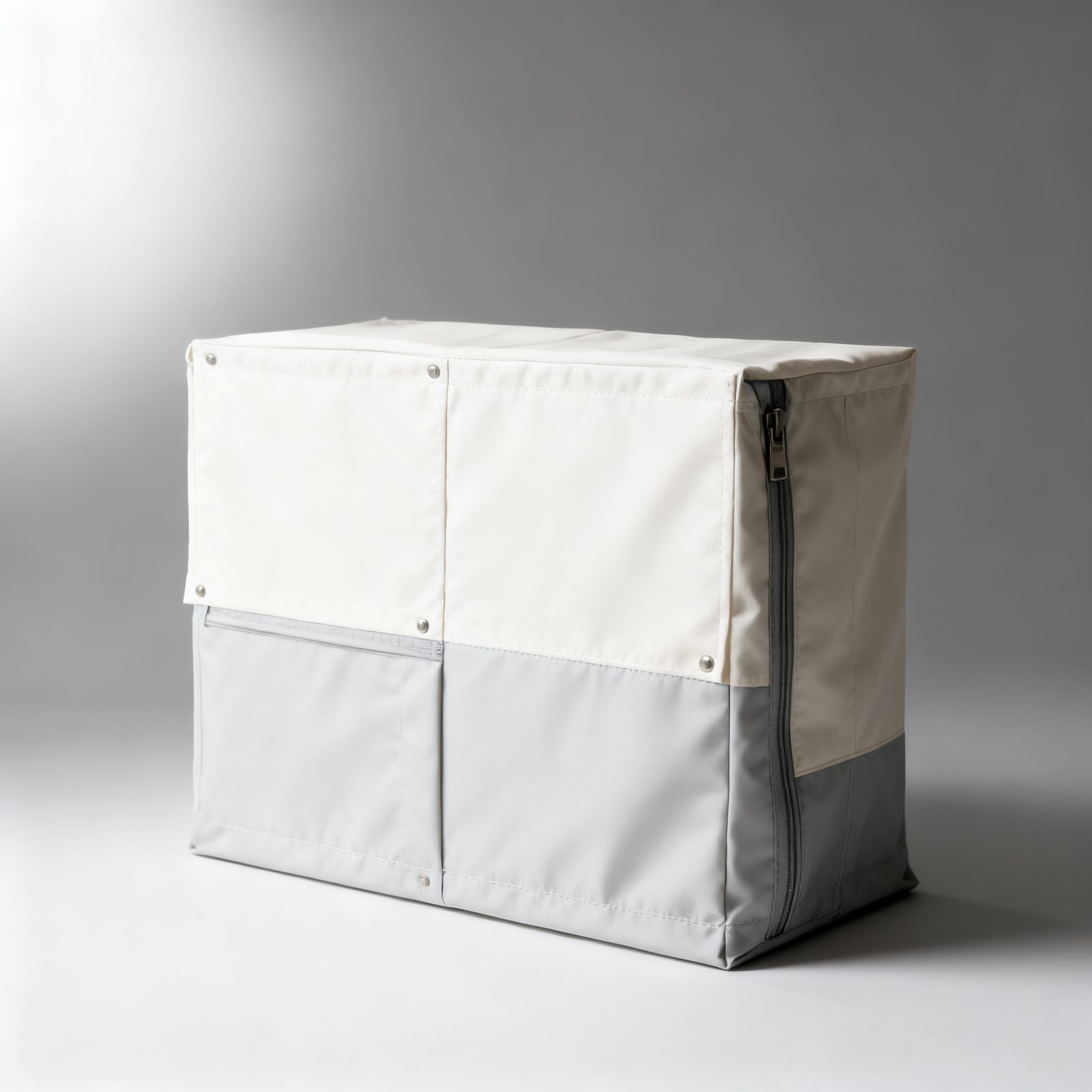
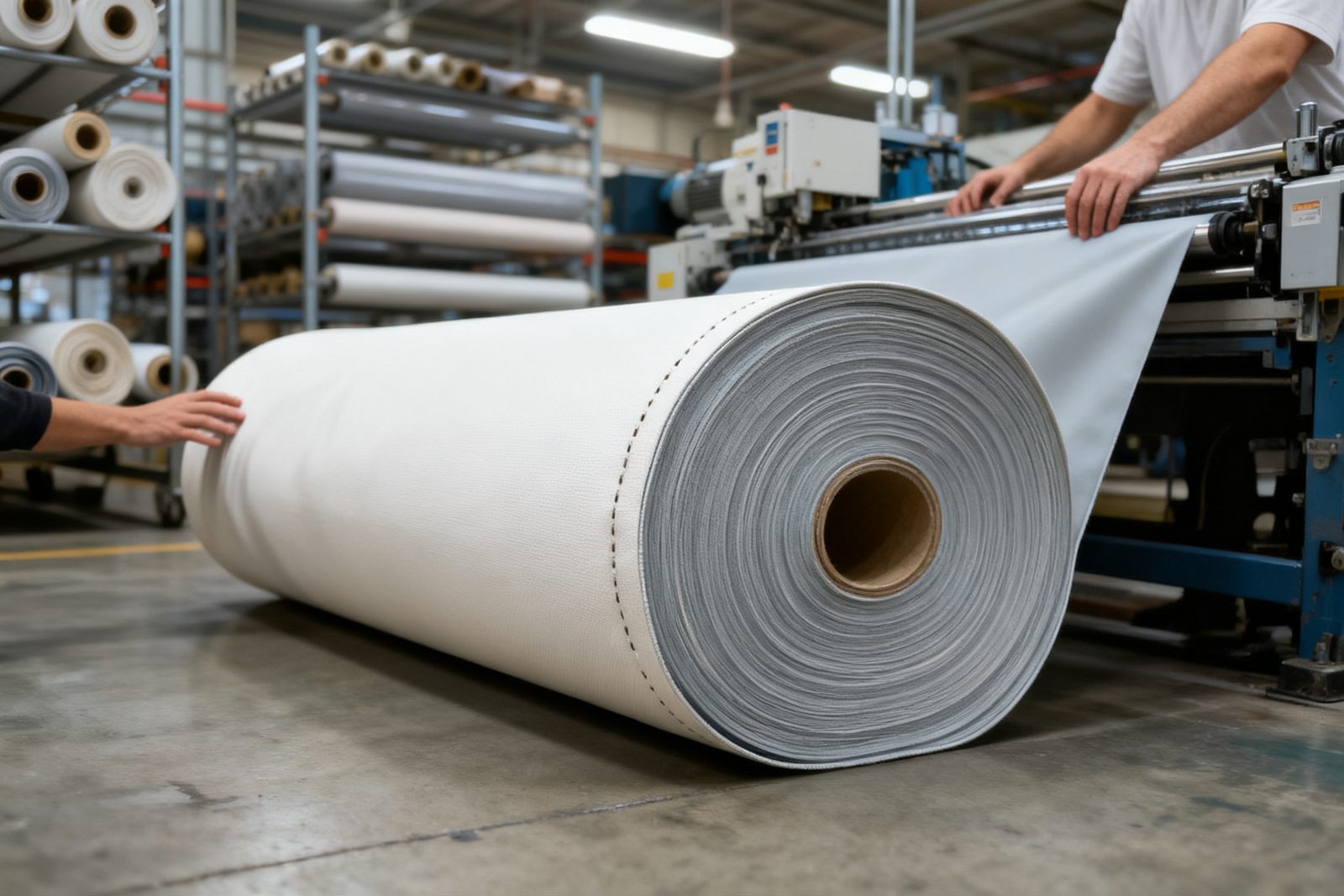
Tkanina techniczna poddana obróbce zgodnie z normą retardacji płomiennej, przeznaczona do zastosowań z wymaganiami ogniochronnymi.
Typowe zastosowania
- Miejsca publiczne i zbiorniki tłumu
- Aplikacje schronień awaryjnych i medycznych
- Środowiska wojskowe oraz ropy i gazu
- Każdy projekt z określoną normą ogniochronną
Dlaczego konstrukcja pneumatyczna
- Większość zamówień rządowych i humanitarnych traktuje klasyfikację ogniochronną jako obowiązkową
- Bez raportu ogniochronnego oferta w ogóle nie kwalifikuje się
Kiedy to nie jest właściwy wybór
Klasyfikacja ogniochronna musi pochodzić z niezależnego raportu testowego, a normy nie są wymienialne — EN 13501, NFPA 701 i GB to różne systemy. Testowanie według niewłaściwej normy to pieniądze wydane na nic.
Ciśnienie robocze, grubość membrany, wytrzymałość na rozciąganie i pękanie, waga, objętość w opakowaniu, wymiary po rozstawieniu, klasyfikacja ogniochronna oraz gwarancja są weryfikowane przez naszego partnera produkcyjnego i niezależne laboratoria. Publikujemy dane, gdy są udokumentowane, a nie wcześniej.
Fabric and contract manufacturing → Wyślij szczegóły →
Strona zaktualizowana 2026-10-13
Częste pytania
- Co to jest tkanina drop stitch?
- Tkanina drop stitch to dwie warstwy powlekanej tkaniny bazowej połączone przez dziesiątki tysięcy wewnętrznych wątków o równej długości. Po napompowaniu wątki utrzymują obie powierzchnie równolegle, przekształcając tkaninę w sztywną panel z określoną grubością.
- Jak jest wytwarzana tkanina drop stitch?
- Dwie powierzchnie i łączące je wątki są tkane lub przędzywane razem na specjalistycznej maszynie, a następnie powlekane PVC lub TPU. Struktura wątków tworzona jest podczas tkania i nie może zostać dodana później.
- Jakie grubości tkaniny drop stitch są dostępne?
- Handlowa głębokość komory wynosi około pięciu do trzydziestu centymetrów, obejmując deski do paddleboardów, pokłady łodzi, maty gimnastyczne i większość ścian schronień. Wszystko poza tym zakresem należy potwierdzić u producenta zanim zaprojektujesz wokół niego.
- Czy TPU jest lepszy niż PVC dla drop stitch?
- TPU pozostaje elastyczny w zimie, starsze lepiej pod wpływem UV i jest lżejszy przy tej samej wytrzymałości; PVC jest tańszy, spawany szybciej i oferuje szerszy zakres kolorów. Do sezonowego użytku w klimacie umiarkowanym PVC jest zwykle właściwym komercyjnym rozwiązaniem.