Tela recubierta ignifuga
Tejido recubierto ignífugo
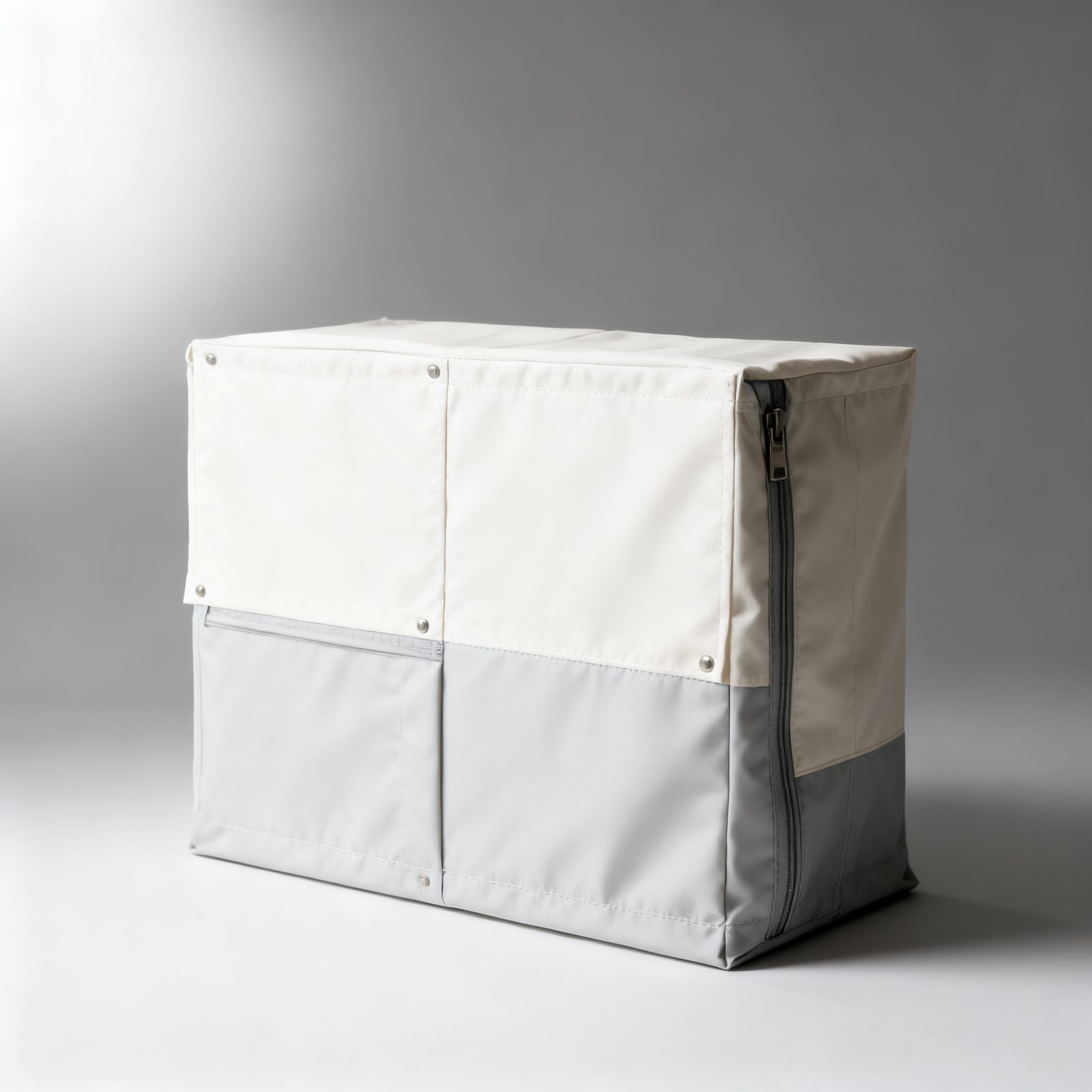
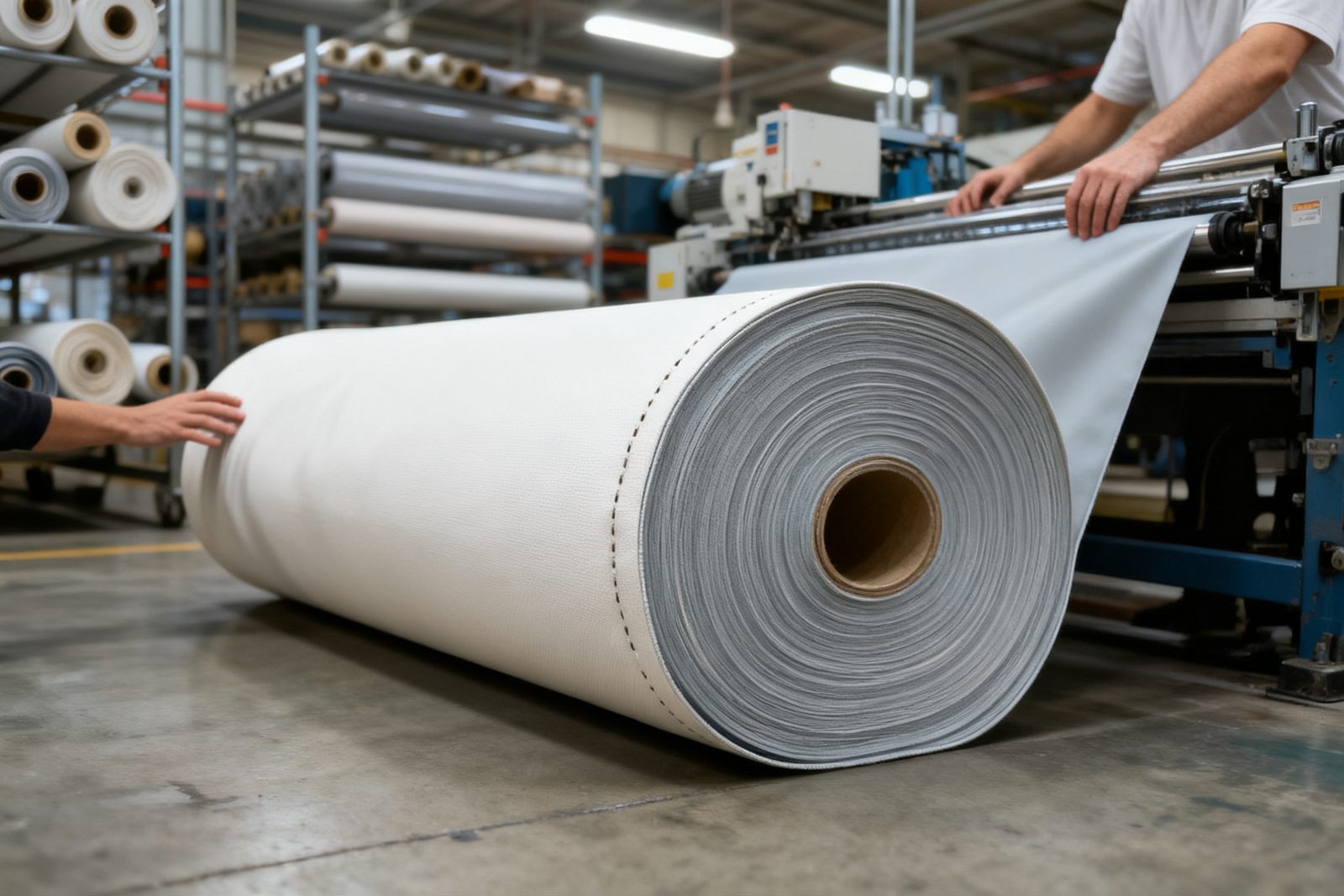
Tela técnica tratada según un estándar ignífugo, para aplicaciones con requisitos de fuego.
Usos típicos
- Espacios públicos y lugares de reunión
- Refugio de emergencia y aplicaciones médicas
- Entornos militares y de petróleo y gas
- Cualquier proyecto con un estándar de fuego establecido
Por qué una estructura inflable
- La mayoría de las adquisiciones gubernamentales y humanitarias consideran la clasificación contra incendios como obligatoria
- Sin un informe de incendios, la oferta no califica en absoluto
Cuándo no es la opción adecuada
La clasificación contra incendios debe provenir de un informe de prueba de terceros, y los estándares no son intercambiables — EN 13501, NFPA 701 y GB son sistemas diferentes. Realizar pruebas con el incorrecto es dinero gastado en vano.
La presión de trabajo, el grosor de la membrana, la resistencia a la tracción y al rasgado, el peso, el volumen empaquetado, las dimensiones desplegadas, la clasificación contra incendios y la garantía están siendo verificados con nuestro socio fabricante y laboratorios independientes. Publicamos los datos cuando están documentados, no antes.
Fabric and contract manufacturing → Enviar los detalles →
Página actualizada 2026-10-13
Preguntas frecuentes
- ¿Qué es el tejido drop stitch?
- El tejido drop stitch es dos capas de tela base recubierta unidas por decenas de miles de hilos internos de igual longitud. Al inflarse, estos hilos mantienen las dos caras paralelas, convirtiendo la tela en un panel rígido con grosor definido.
- ¿Cómo se fabrica el tejido drop stitch?
- Las dos caras y los hilos conectores se tejen o trican juntos en una máquina especializada, luego se recubren con PVC o TPU. La estructura de los hilos se crea durante el tejido y no se puede agregar posteriormente.
- ¿Qué grosor de tejido drop stitch está disponible?
- La profundidad de cámara disponible comercialmente oscila aproximadamente entre cinco y treinta centímetros, cubriendo tablas de remo, cubiertas de barcos, colchonetas de gimnasio y la mayoría de las paredes de refugios. Cualquier cosa fuera de ese rango debe confirmarse con la fábrica antes de diseñar en torno a ella.
- ¿Es TPU mejor que PVC para drop-stitch?
- El TPU permanece flexible en frío, envejece mejor bajo la radiación UV y es más ligero para la misma resistencia; el PVC cuesta menos, se solda más rápido y ofrece una gama de colores más amplia. Para uso estacional templado, el PVC suele ser la respuesta comercial correcta.