Materials & Services · Fabrics
Flame-Retardant Coated Fabric
Огнестойкая ткань с покрытием
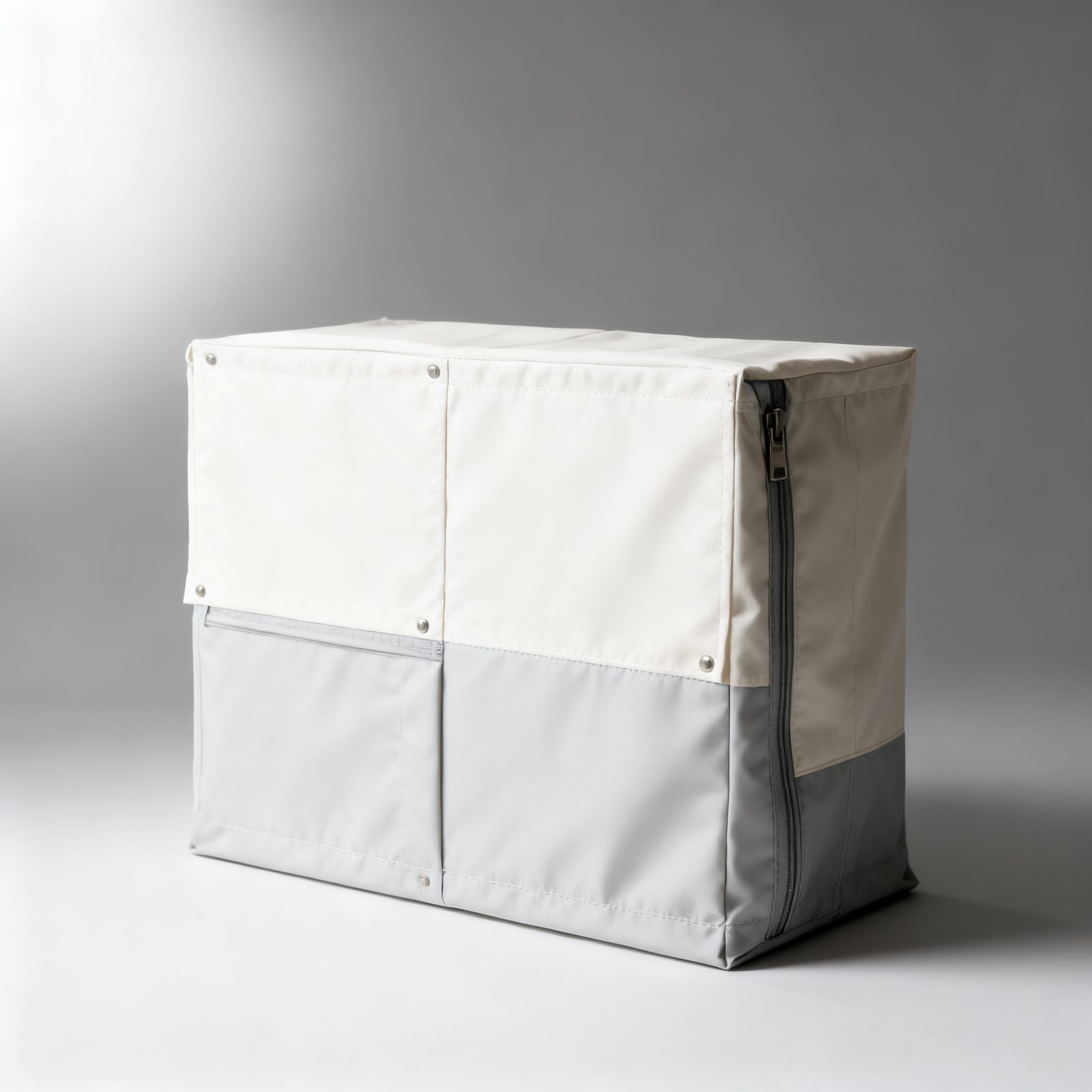
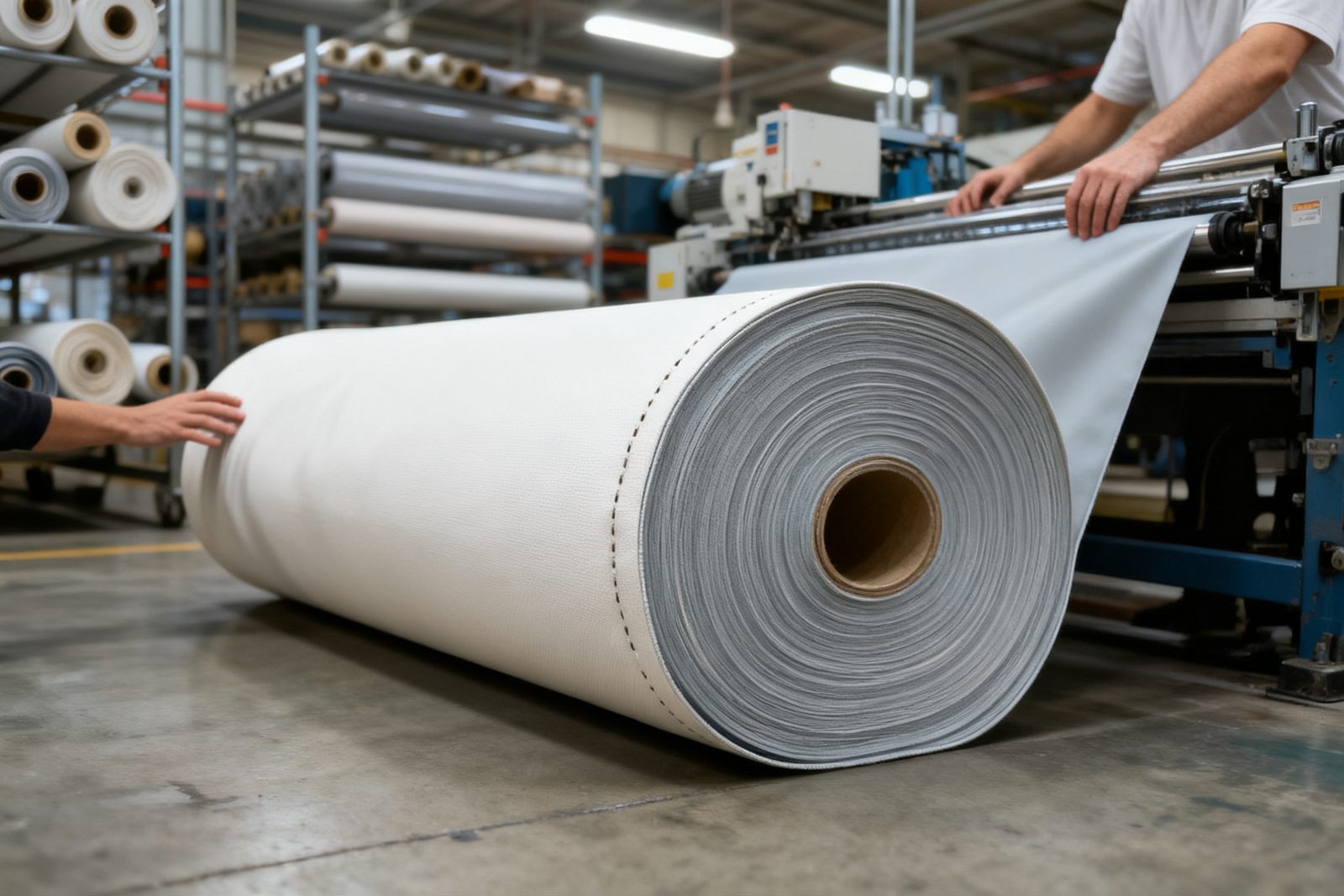
Technical fabric treated to a flame-retardant standard, for applications with fire requirements.
Типовые сценарии
- Public venues and places of assembly
- Emergency shelter and medical applications
- Military and oil and gas environments
- Any project with a stated fire standard
Почему пневмокаркасная конструкция
- Most government and humanitarian procurement treats fire rating as mandatory
- Without a fire report the bid does not qualify at all
Когда это не подходит
Fire rating must come from a third-party test report, and the standards are not interchangeable — EN 13501, NFPA 701 and GB are different systems. Testing to the wrong one is money spent for nothing.
Параметры уточняются у производителя
Рабочее давление, толщина мембраны, прочность на разрыв и раздир, масса, объём в упаковке, габариты в развёрнутом виде, класс огнестойкости и гарантия уточняются у производителя и в независимых лабораториях. Мы публикуем цифры только когда они подтверждены документами.
Fabric and contract manufacturing → Отправить данные →
Страница обновлена 2026-10-12
Частые вопросы
- What is drop-stitch fabric?
- Drop-stitch fabric is two layers of coated base cloth joined by tens of thousands of internal threads of equal length. Inflated, those threads hold the two faces parallel, turning the fabric into a rigid panel with defined thickness.
- How is drop-stitch fabric made?
- The two faces and the connecting threads are woven or knitted together on a specialised machine, then coated with PVC or TPU. The thread structure is created during weaving and cannot be added afterwards.
- What thickness of drop-stitch fabric is available?
- Commercially available chamber depth runs roughly five to thirty centimetres, covering paddleboards, boat decks, gym mats and most shelter walls. Anything outside that band should be confirmed with the mill before you design around it.
- Is TPU better than PVC for drop-stitch?
- TPU stays flexible in cold, ages better under UV and is lighter for the same strength; PVC costs less, welds faster and offers a wider colour range. For temperate seasonal use PVC is usually the right commercial answer.