Buildings & Shelters · Emergency Shelter
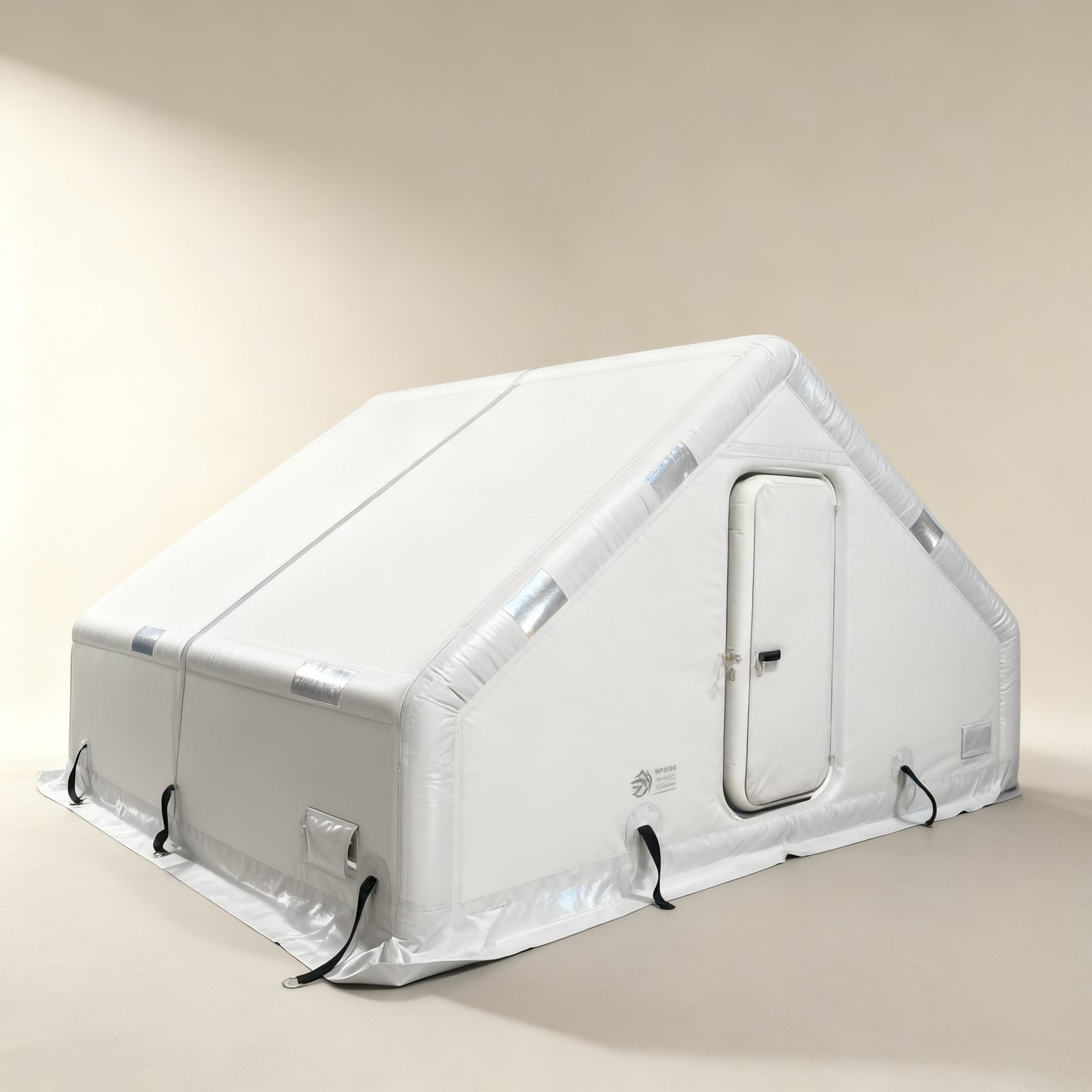
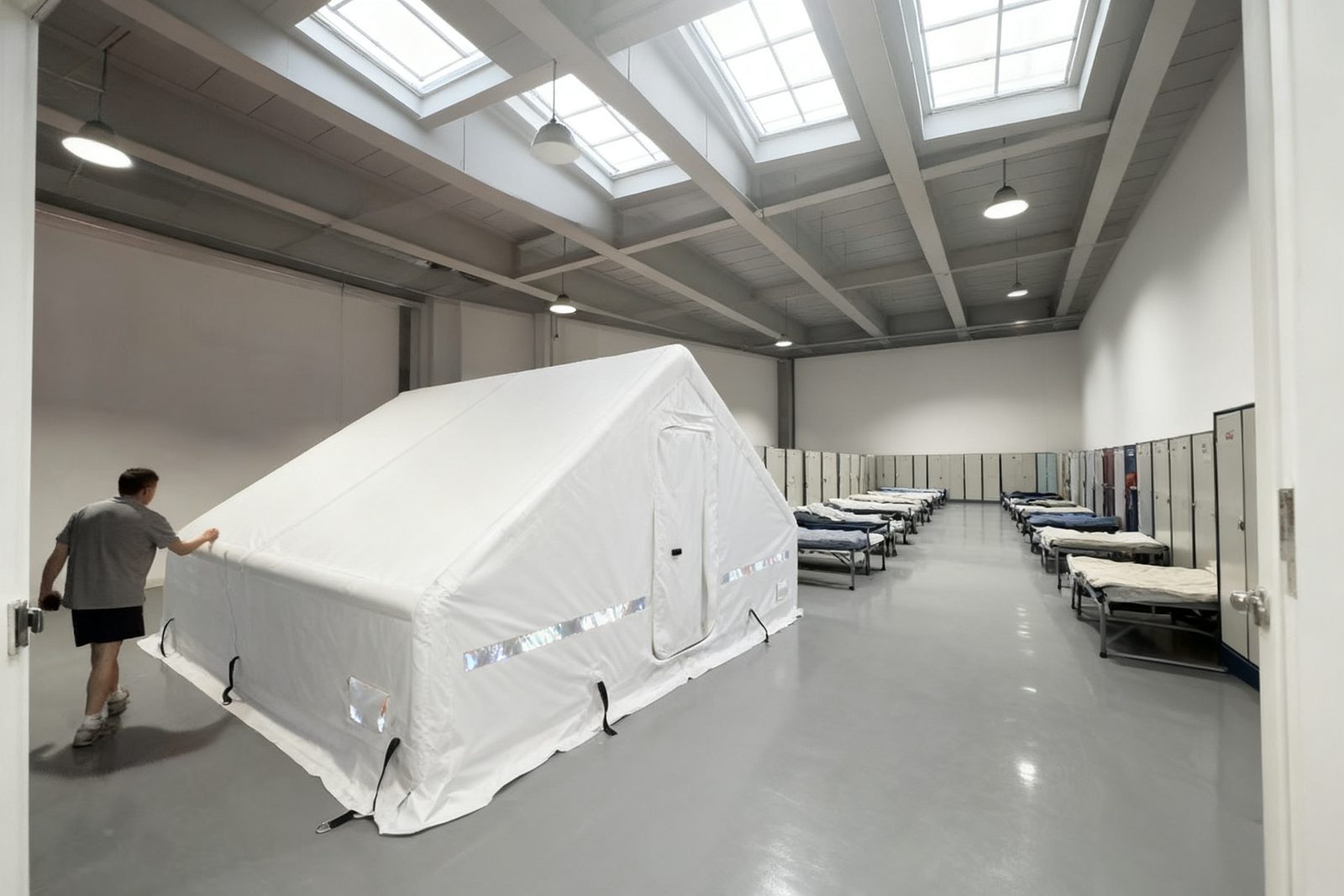
Refugee Shelter Unit
难民营单元
Shelter units for humanitarian programmes, supplied to consistent specification at scale.
典型场景
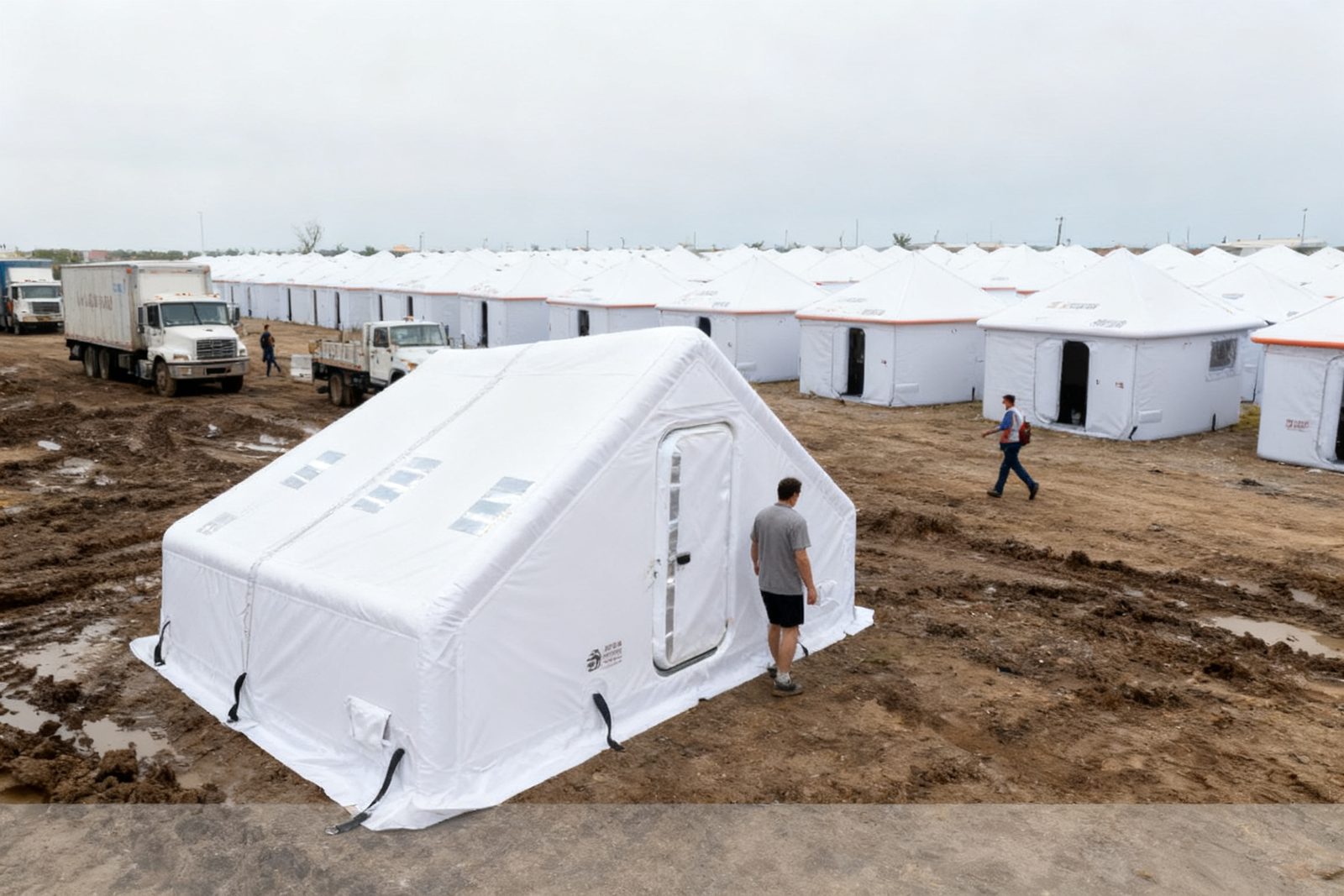
- Cross-border refugee camps
- UN agency and international NGO programmes
- Family units within long-term camps
- Programmes requiring standardised specification
为什么选充气结构
- Consistent specification simplifies procurement and camp management
- Recoverable after camp closure, matching humanitarian reuse policy
不适合什么
Certification and test reports gate these programmes before product does. Without UNHCR-equivalent documentation a supplier does not reach the list at all — this is a precondition, not a differentiator, and it is the work we are doing now.
参数待厂方核实后补充
工作压力、膜材厚度、抗拉与抗撕裂强度、整机重量、收纳体积、展开尺寸、阻燃等级与质保期,正在与制造方及第三方实验室核实。有文件才发数字,没有就不发。
Rapid deployable space → 发送项目信息 →
本页更新于 2026-10-12
常见问题
- How fast can an emergency shelter be deployed?
- A small unit is inflated by one or two people in minutes; a camp is limited by air-source capacity and site preparation rather than by the shelters. We publish per-model times once they are measured, not before.
- What is a transitional shelter?
- A transitional shelter is the stage between an emergency tent and permanent housing — enough space, privacy and weather protection to live in for months while reconstruction happens. It is not intended for permanent occupancy.
- Can shelters be reused after a deployment?
- Yes. Units are cleaned, dried, repaired if needed and repacked, which is why humanitarian buyers favour them over consumable tents. Reuse cycles depend on handling discipline more than on the product.