Buildings & Shelters · Emergency Shelter
Refugee Shelter Unit
укрытие для беженцев
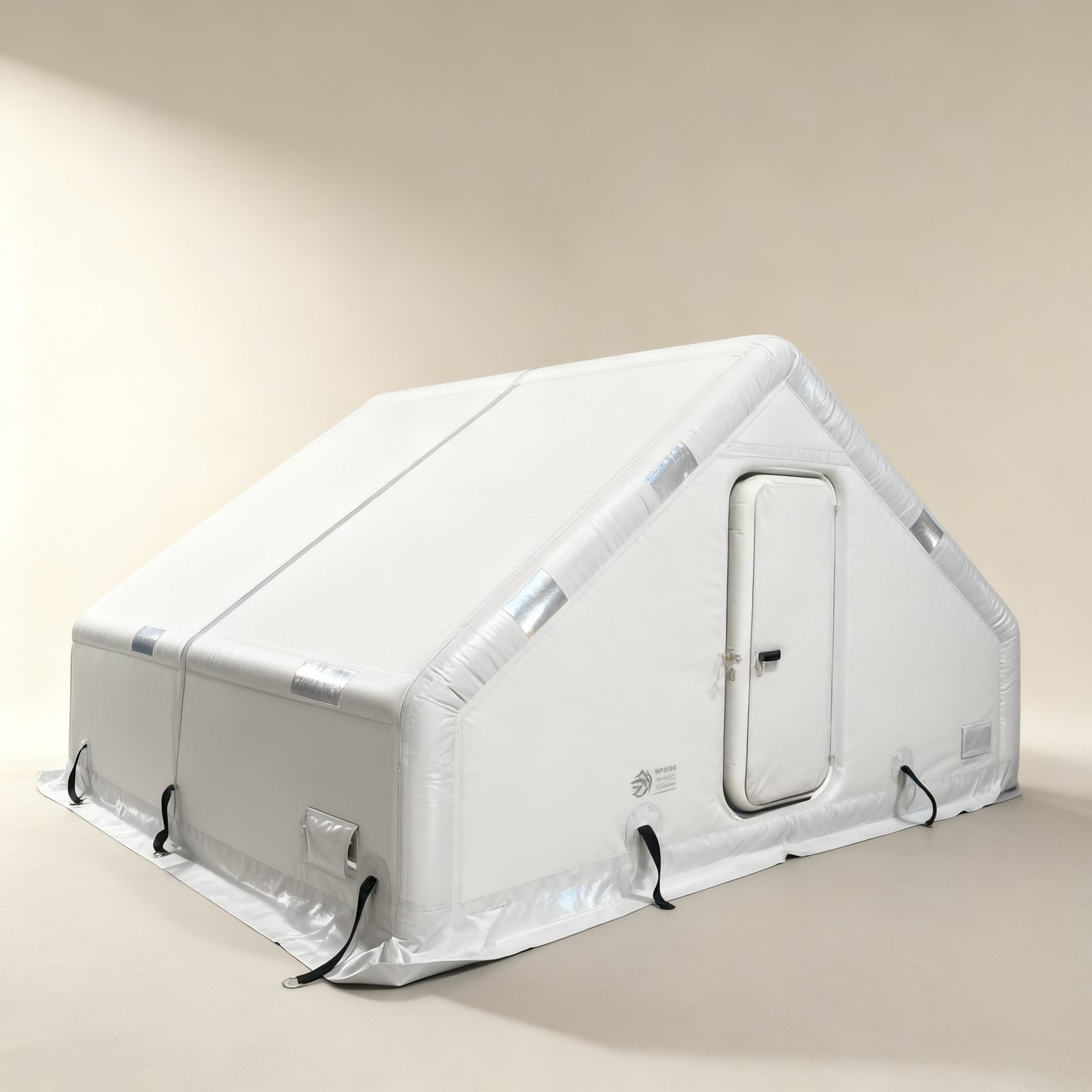
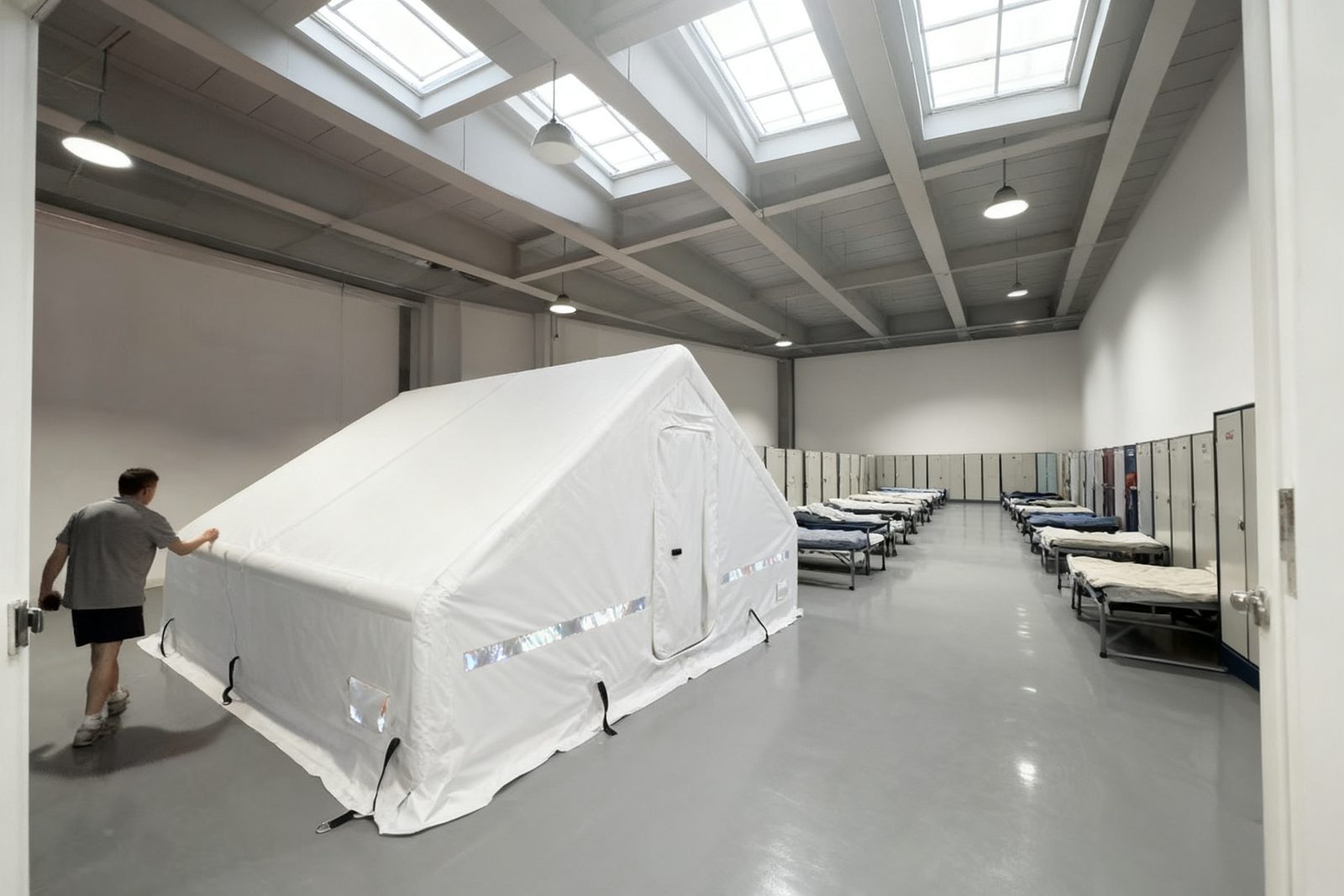
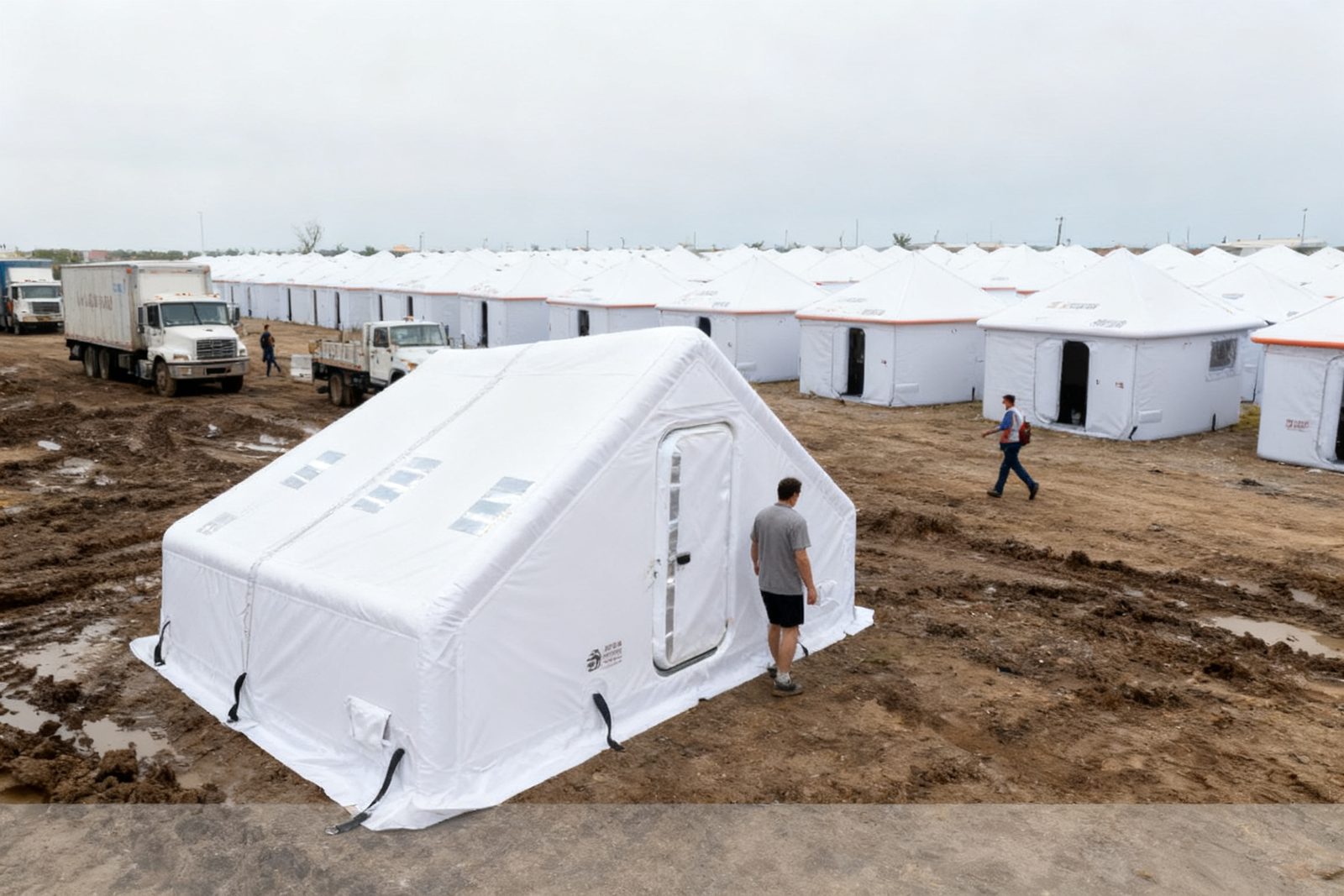
Shelter units for humanitarian programmes, supplied to consistent specification at scale.
Типовые сценарии
- Cross-border refugee camps
- UN agency and international NGO programmes
- Family units within long-term camps
- Programmes requiring standardised specification
Почему пневмокаркасная конструкция
- Consistent specification simplifies procurement and camp management
- Recoverable after camp closure, matching humanitarian reuse policy
Когда это не подходит
Certification and test reports gate these programmes before product does. Without UNHCR-equivalent documentation a supplier does not reach the list at all — this is a precondition, not a differentiator, and it is the work we are doing now.
Параметры уточняются у производителя
Рабочее давление, толщина мембраны, прочность на разрыв и раздир, масса, объём в упаковке, габариты в развёрнутом виде, класс огнестойкости и гарантия уточняются у производителя и в независимых лабораториях. Мы публикуем цифры только когда они подтверждены документами.
Rapid deployable space → Отправить данные →
Страница обновлена 2026-10-12
Частые вопросы
- How fast can an emergency shelter be deployed?
- A small unit is inflated by one or two people in minutes; a camp is limited by air-source capacity and site preparation rather than by the shelters. We publish per-model times once they are measured, not before.
- What is a transitional shelter?
- A transitional shelter is the stage between an emergency tent and permanent housing — enough space, privacy and weather protection to live in for months while reconstruction happens. It is not intended for permanent occupancy.
- Can shelters be reused after a deployment?
- Yes. Units are cleaned, dried, repaired if needed and repacked, which is why humanitarian buyers favour them over consumable tents. Reuse cycles depend on handling discipline more than on the product.