Budynki i schronienia · Schronienie awaryjne
Schronienie awaryjne
Schronienie awaryjne
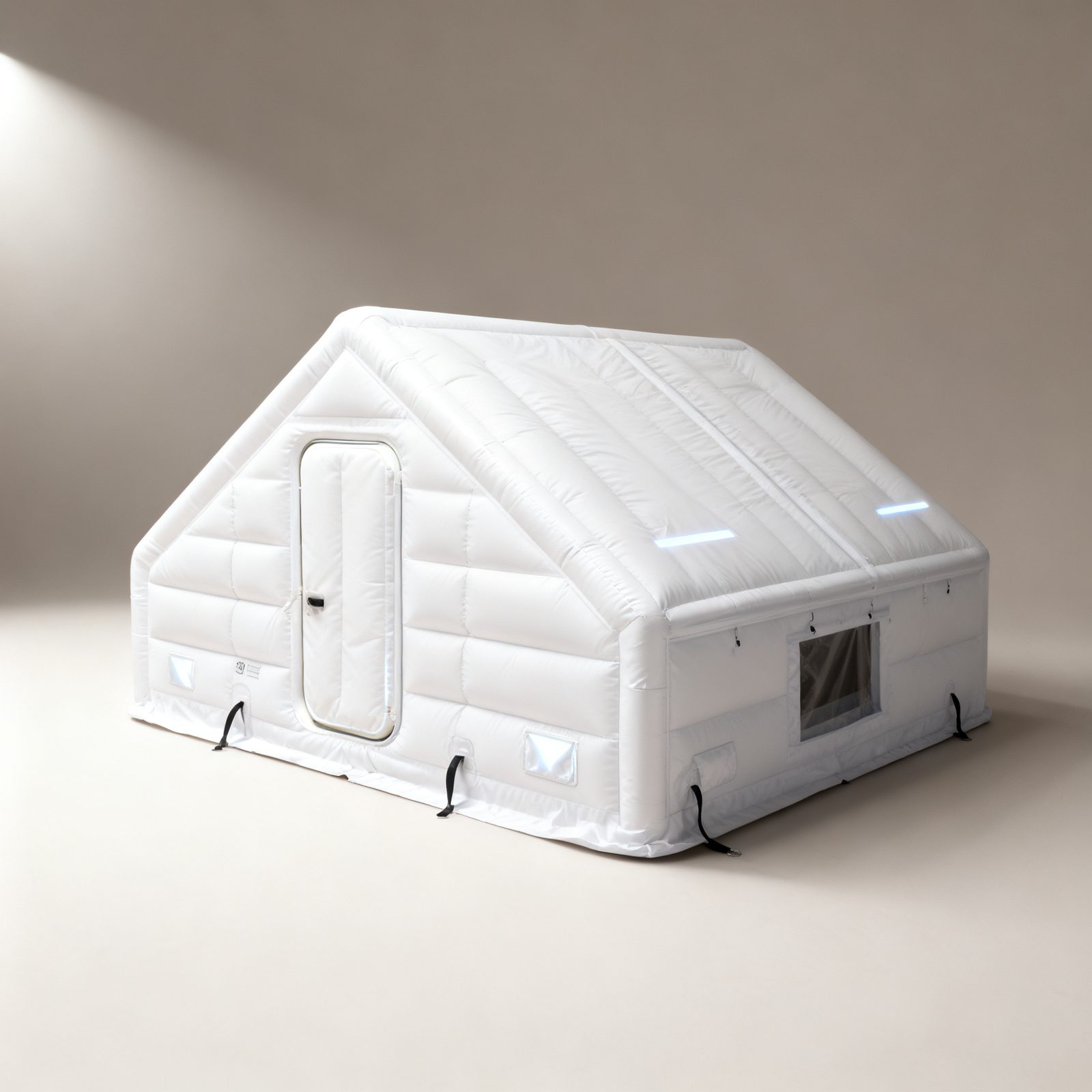
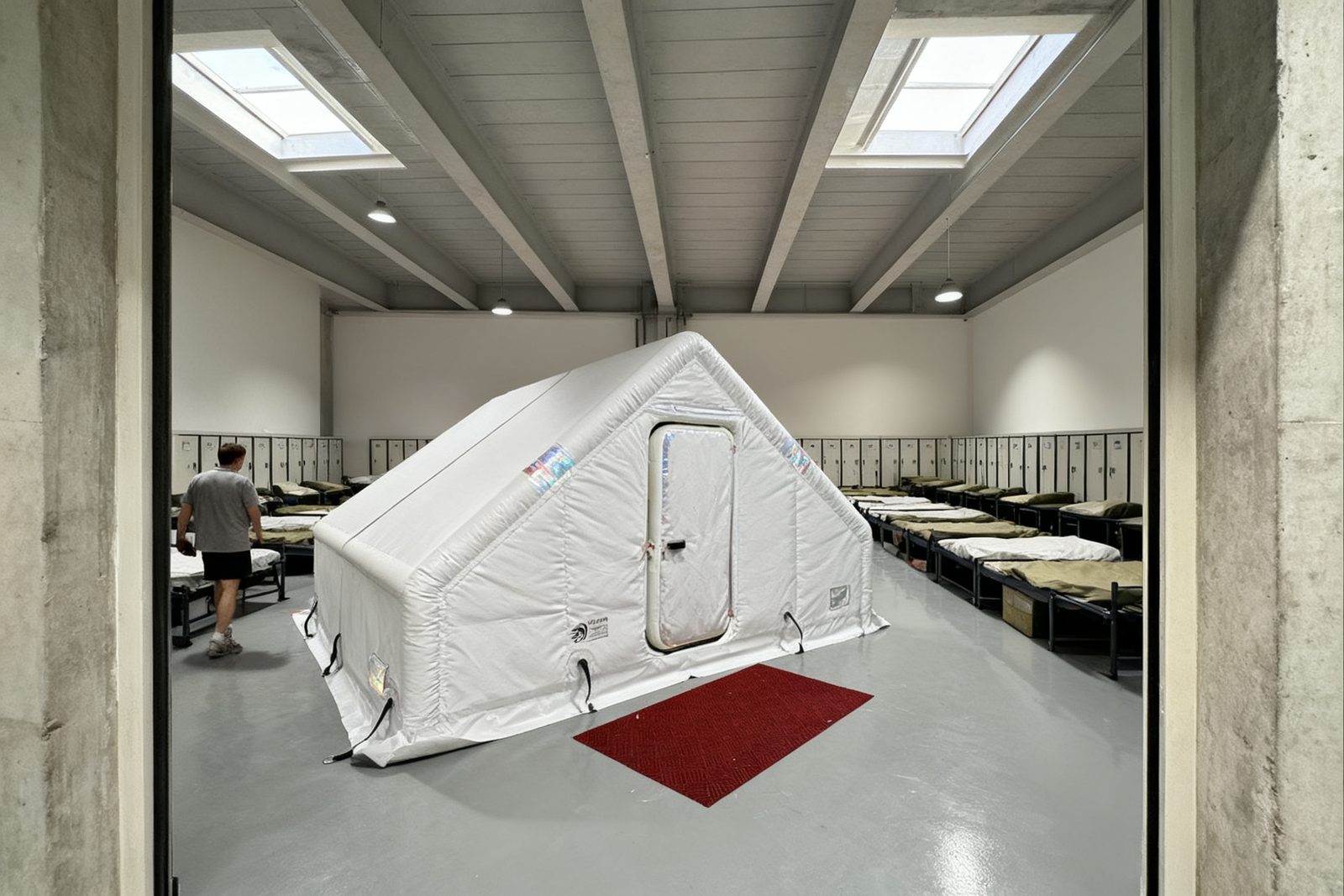
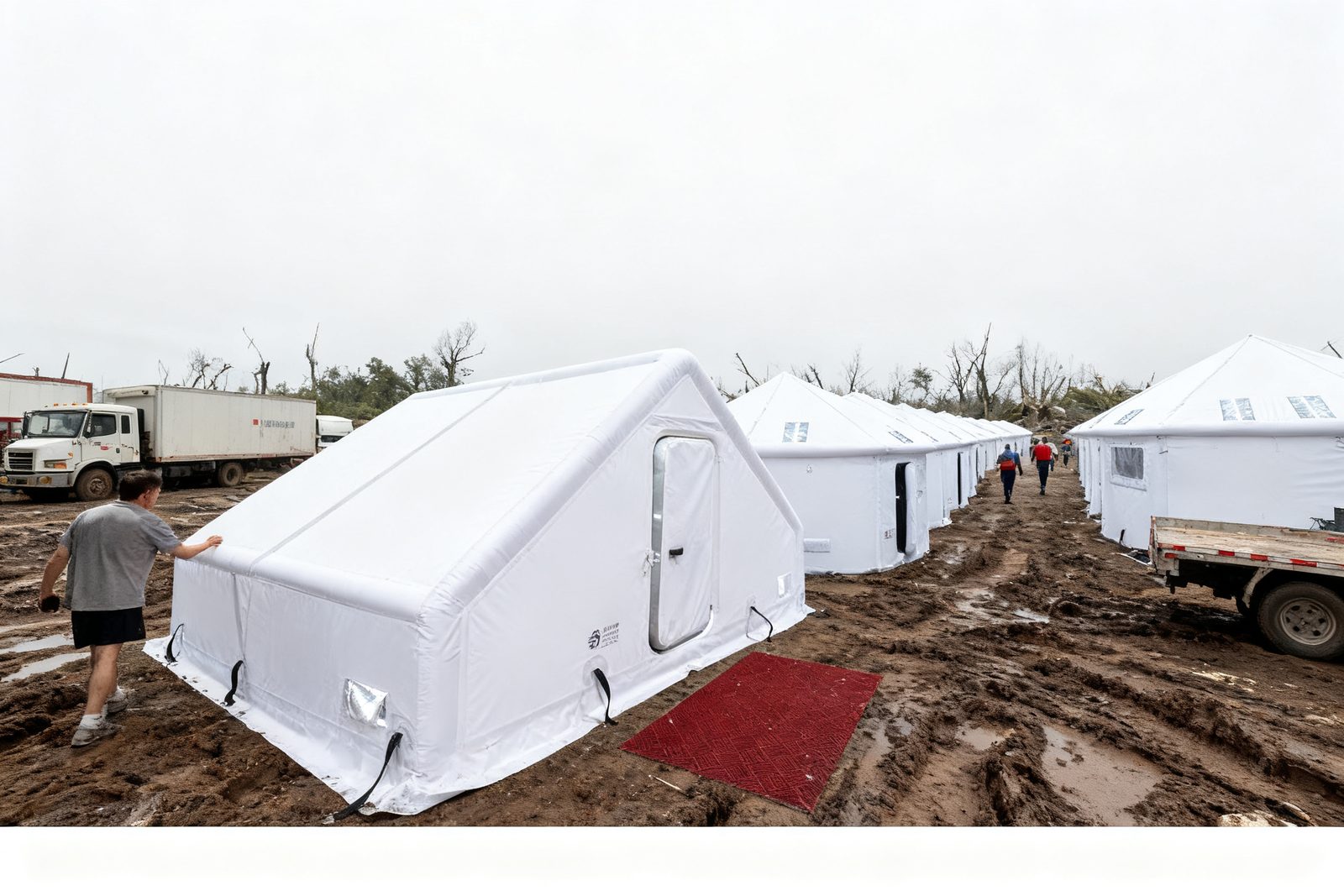
Publiczny obszar schronienia do użytku podczas katastrofy.
Typowe zastosowania
- Punkty schronienia społecznego podczas tajfunów i silnych opadów deszczu
- Tymczasowe schronienie zbiorowe po trzęsieniu ziemi
- Zapewnienie planu awaryjnego w obiektach publicznych
- Praktyczne udogodnienia do ćwiczeń ewakuacyjnych
Dlaczego konstrukcja pneumatyczna
- Mały rozmiar w stanie składowym, więc może być przechowywany w magazynie awaryjnym przez długi czas
- Rozstawienie nie wymaga specjalistycznej drużyny
Kiedy to nie jest właściwy wybór
Jest to tylko przestrzeń schronienia. Ochrona przeciwpożarna, udogodnienia medyczne i komunikacja muszą być zapewnione przez operatora na podstawie własnego planu awaryjnego.
Parametry w trakcie weryfikacji u producenta
Ciśnienie robocze, grubość membrany, wytrzymałość na rozciąganie i pękanie, waga, objętość w opakowaniu, wymiary po rozstawieniu, klasyfikacja przeciwpożarna i gwarancja są weryfikowane przez naszego partnera produkcyjnego i niezależne laboratoria. Publikujemy dane, gdy zostaną udokumentowane, a nie wcześniej.
Rapid deployable space → Wyślij szczegóły →
Strona zaktualizowana 2026-10-13
Częste pytania
- Jak szybko można rozstawić schronienie awaryjne?
- Mały unit jest napowietrzany przez jedną lub dwie osoby w ciągu kilku minut; obóz jest ograniczony przez pojemność źródła powietrza i przygotowanie terenu, a nie przez schronienia. Publikujemy czasy dla poszczególnych modeli po ich zmierzeniu, a nie wcześniej.
- Co to jest schronienie przejściowe?
- Schronienie przejściowe to etap między namiotem awaryjnym a domem trwałym — wystarczająca przestrzeń, prywatność i ochrona przed warunkami atmosferycznymi, aby można było w nim mieszkować przez miesiące podczas rekonstrukcji. Nie jest przeznaczone do trwałego zamieszkania.
- Czy schronienia można ponownie użyć po rozstawieniu?
- Tak. Jednostki są czyszczone, suszone, naprawiane jeśli to konieczne i ponownie pakowane, dlatego nabywcy humanitarni preferują je ponad jednorazowymi namiotami. Cykle ponownego użycia zależą bardziej od dyscypliny obsługi niż od produktu.