Barrière anti-inondation pour garage
Barrière anti-inondation pour garage
Une barrière gonflable compacte conçue pour l'entrée d'un parking souterrain ou d'un sous-sol.
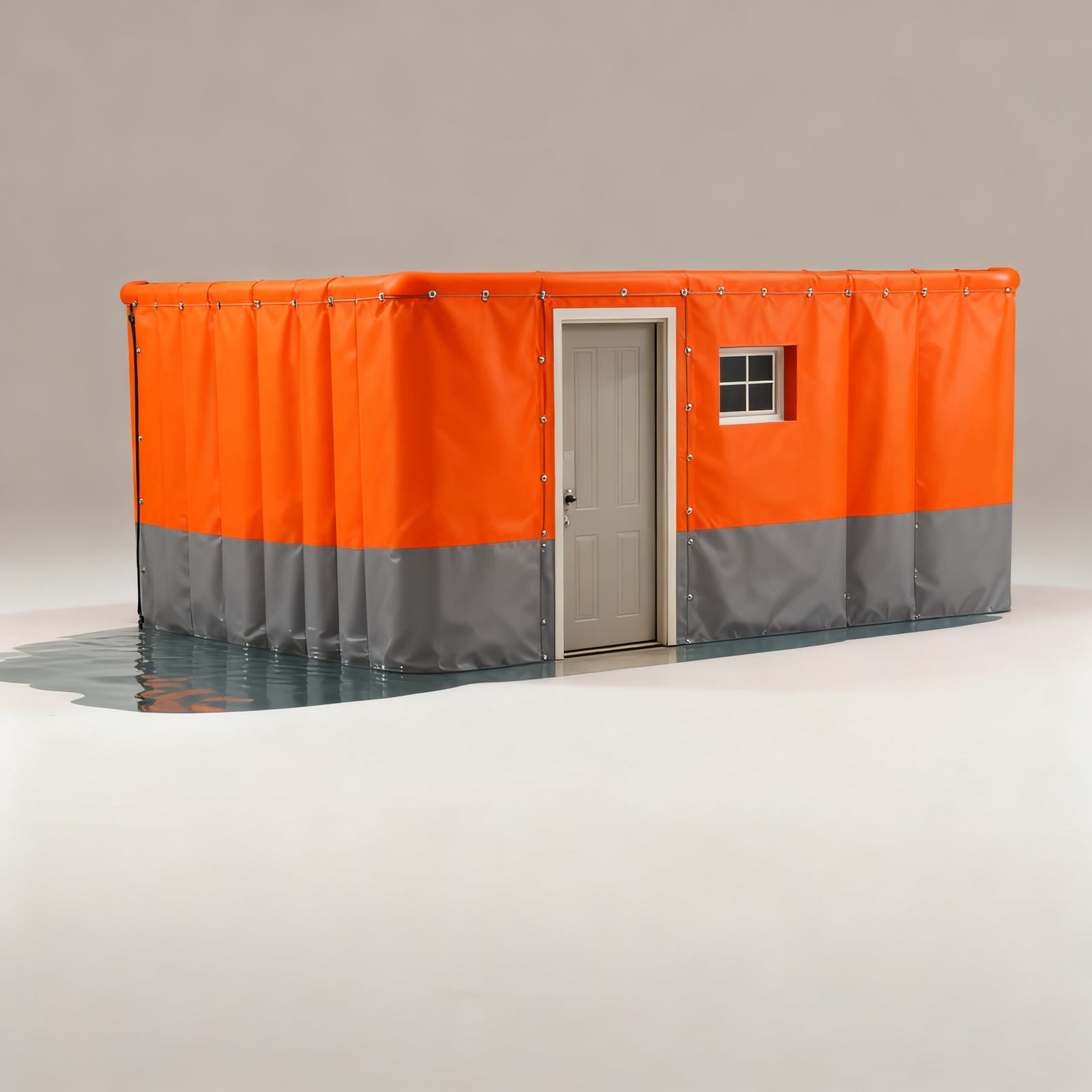
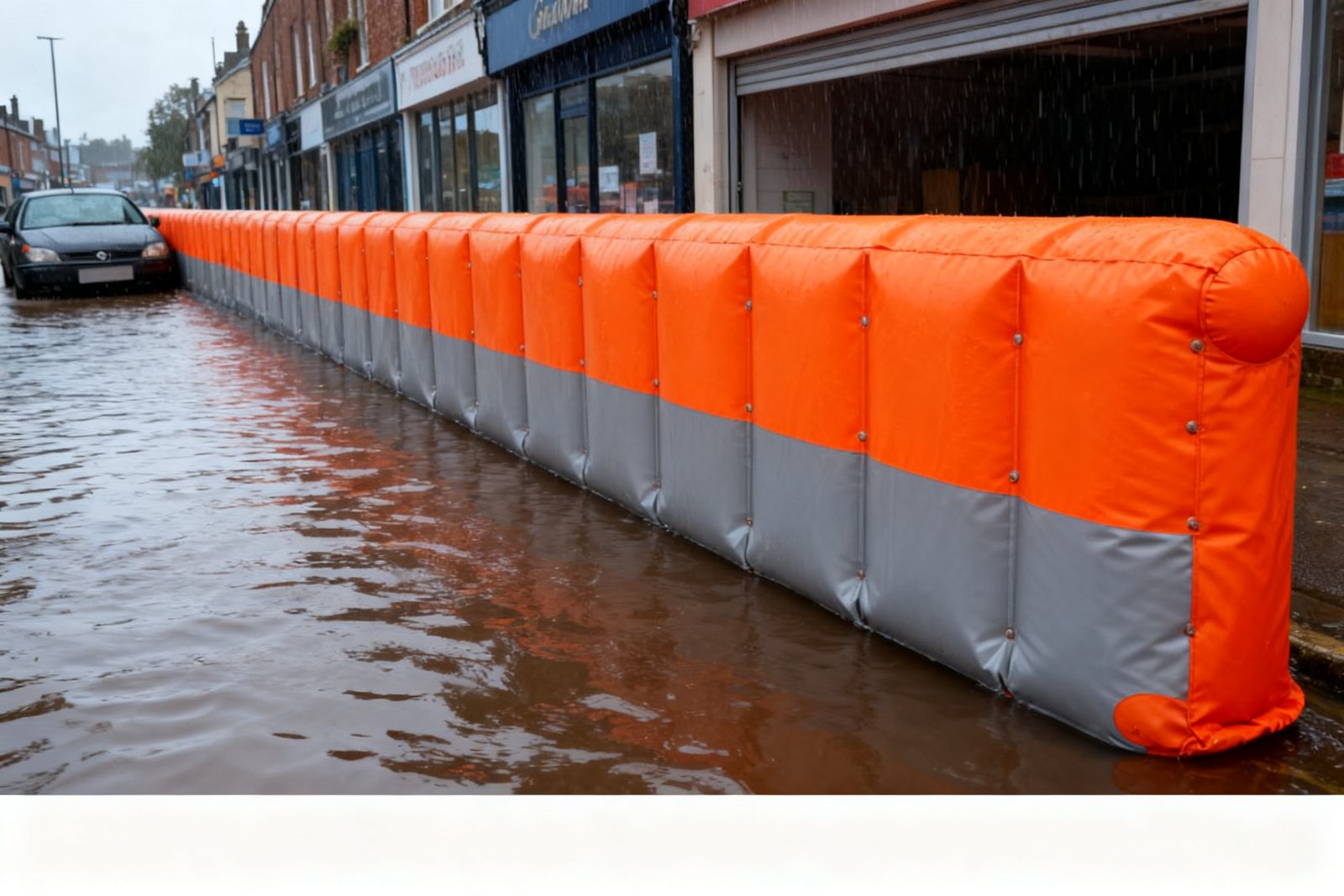
Usages typiques
- Rampes de parking souterrain exposées à l'ingression
- Entrées de magasins souterrains et de métro
- Ouvertures de portes de salles de machines
- Dispositif anti-inondation de secours détenu par la gestion du bâtiment
Pourquoi une structure gonflable
- Se range dans un placard et se déploie en quelques minutes par une seule personne
- Réutilisable saison après saison
- Dimensionnée selon l'ouverture plutôt que improvisée
Quand ce n'est pas le bon choix
La hauteur de retenue a une limite stricte et l'étanchéité dépend de l'ouverture étant plate et saine. Un seuil inégal ou endommagé doit d'abord être réparé, sinon la barrière laissera passer l'eau au lieu de la retenir.
La pression de fonctionnement, l'épaisseur de la membrane, la résistance à la traction et au déchirement, le poids, le volume emballé, les dimensions déployées, le classement au feu et la garantie sont en cours de vérification avec notre partenaire fabricant et des laboratoires indépendants. Nous publions les chiffres lorsqu'ils sont documentés, pas avant.
Flood barriers and water control → Envoyer les détails →
Page mise à jour 2026-10-13
Questions fréquentes
- Comment fonctionne un cofferdam rempli d'eau ?
- L'eau pompée dans le tube fournit la masse qui résiste à l'inondation extérieure. C'est pourquoi il est bon marché et stable — et pourquoi il nécessite une source d'eau sur place avant de fonctionner.
- Combien de temps faut-il pour déployer une barrière anti-inondation ?
- Une barrière gonflable à air sur une porte ou une rampe prend quelques minutes, limitée par la capacité du ventilateur. Un dispositif rempli d'eau est limité par le débit de la pompe et la longueur, généralement considérablement plus long.
- Les barrières anti-inondation sont-elles réutilisables ?
- Les types gonflables à air et à eau sont nettoyés, séchés et réemballés pour être réutilisés. C'est l'avantage pratique principal par rapport aux sacs de sable, qui sont à usage unique et lents à remplir.