المباني والمآوي · مأوى طوارئ
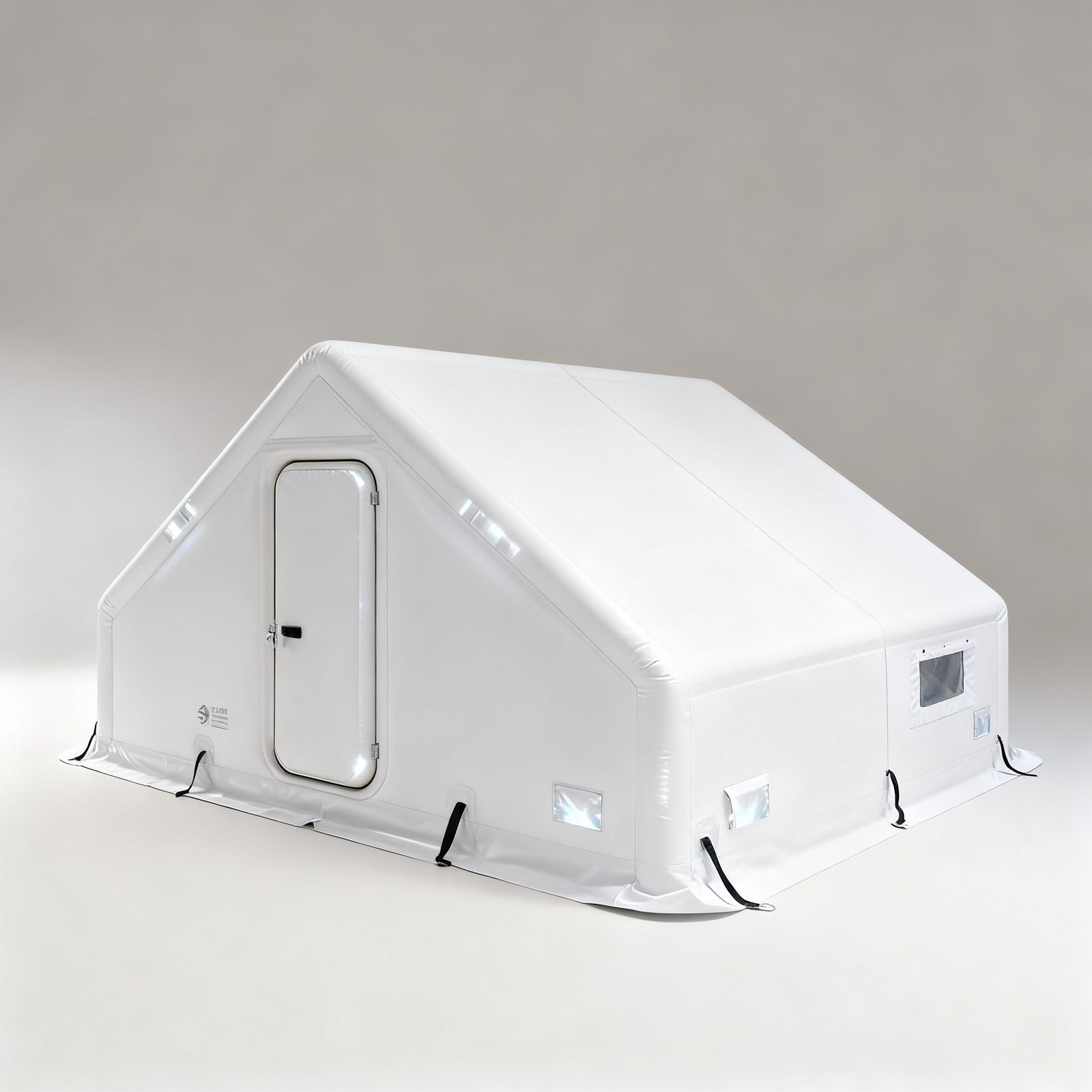
مأوى إغاثة من الكوارث
مأوى إغاثة من الكوارث
وحدة مأوى كاملة يتم نشرها في الموقع فور وقوع كارثة.
الاستخدامات النموذجية
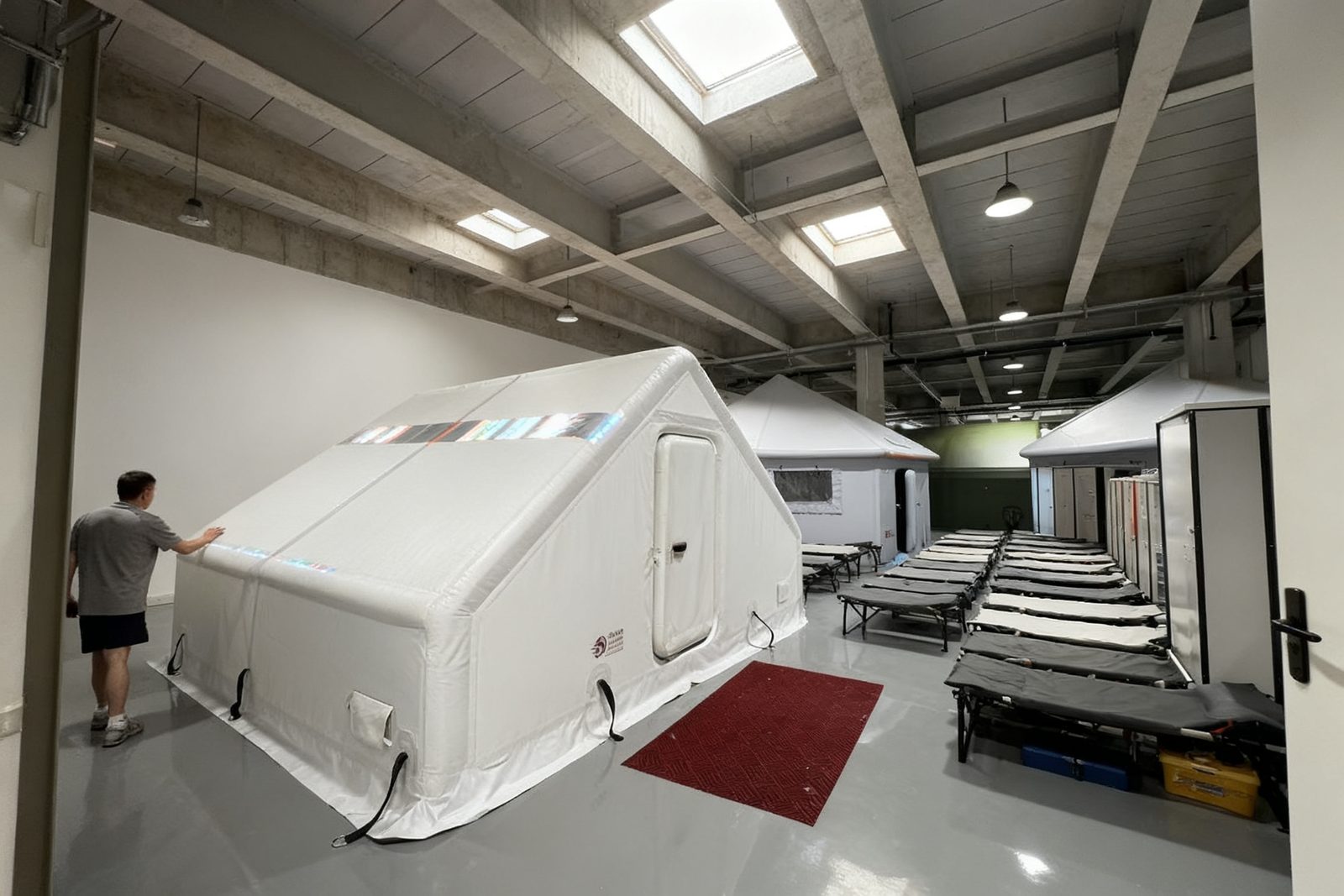
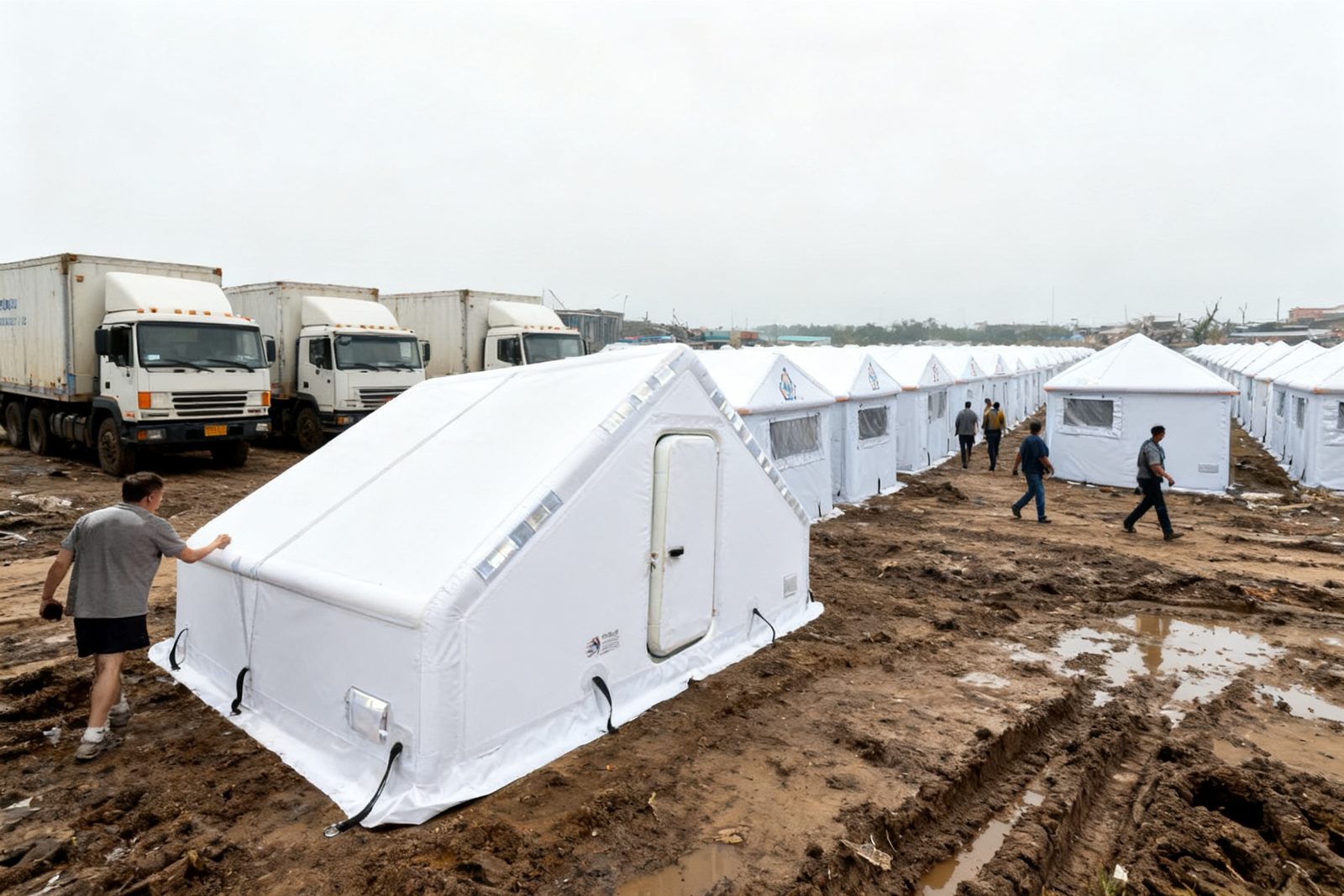
- مواقع مآوي جماعية بعد الزلزال أو الفيضان
- نقل العائلات المتضررة من الخيام إلى شيء يمكن أن يصمد خلال الشتاء
- مواقع مآوي مرتبة في صفوف موحدة
- المواقع التي تضررت فيها الطرق ولا يمكن للمعدات الثقيلة الوصول إليها
لماذا هيكل قابل للنفخ
- لا توجد رافعة ولا أساس — يمكن للطاقم المتوفر لديك نشره
- الحجم المعبأ يعني وحدات أكثر لكل حمولة شاحنة
- يمكن للصفوف أن تتشارك مصدر هواء واحد
متى لا يكون هذا الخيار المناسب
مأوى يدوم لأكثر من عام تقريبًا. هذا منتج انتقالي؛ يجب أن ينتقل المأوى طويل الأجل إلى كبائن جاهزة أو إعادة إعمار دائمة، ويجب أن يُقال ذلك بوضوح في المحادثة بدلاً من بعد الطلب.
المواصفات قيد التحقق مع الشركة المصنعة
يتم التحقق من ضغط التشغيل، وسمك الغشاء، وقوة الشد والتمزق، والوزن، والحجم المعبأ، والأبعاد المنشورة، ومعدل مقاومة الحريق، والضمان مع شريكنا في التصنيع والمختبرات المستقلة. ننشر الأرقام عندما تكون موثقة، وليس قبل ذلك.
Rapid deployable space → أرسل التفاصيل →
تاريخ تحديث الصفحة 2026-10-13
الأسئلة الشائعة
- ما مدى سرعة نشر مأوى طوارئ؟
- يتم نفخ وحدة صغيرة بواسطة شخص أو شخصين في دقائق؛ يقتصر المخيم على سعة مصدر الهواء وإعداد الموقع بدلاً من المآوي. ننشر الأوقات لكل نموذج بمجرد قياسها، وليس قبل ذلك.
- ما هو المأوى الانتقالي؟
- المأوى الانتقالي هو المرحلة بين خيمة الطوارئ والسكن الدائم — مساحة كافية وخصوصية وحماية من الطقس للعيش فيها لأشهر بينما يتم إعادة الإعمار. وهو غير مخصص للإشغال الدائم.
- هل يمكن إعادة استخدام المآوي بعد النشر؟
- نعم. يتم تنظيف الوحدات وتجفيفها وإصلاحها إذا لزم الأمر وإعادة تعبئتها، وهذا هو السبب في أن المشترين في المجال الإنساني يفضلونها على الخيام المستهلكة. تعتمد دورات إعادة الاستخدام على الانضباط في التعامل أكثر من اعتمادها على المنتج.