Buildings & Shelters · Extreme Environment
Mining Camp Accommodation
矿山营房
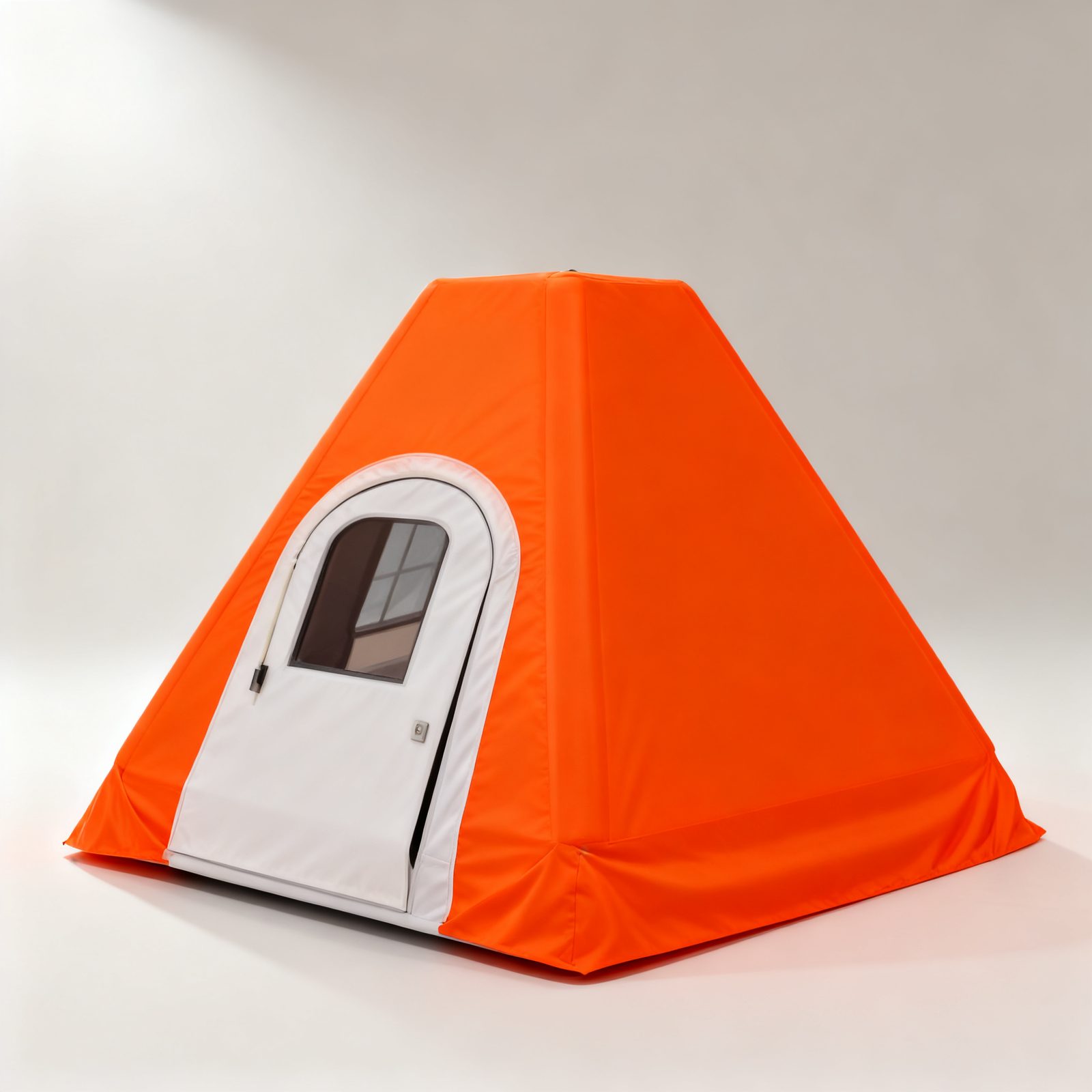
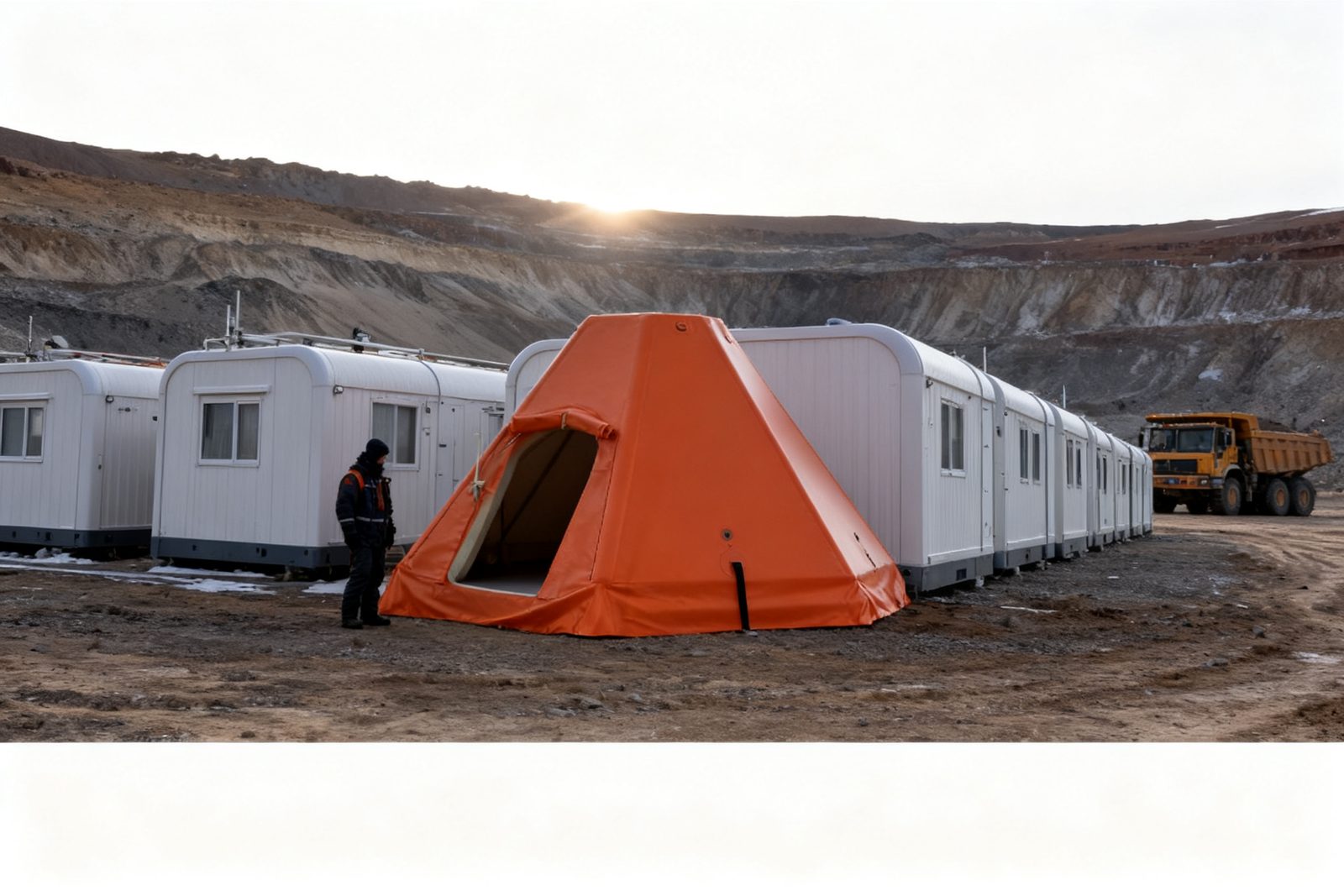
Inflatable accommodation for mine site workforces.
典型场景
- Open-pit and underground mine worker housing
- Exploration phase camps before commitment
- Bridging accommodation during expansion
- Remote sites on rotation
为什么选充气结构
- Transport and erection dominate the cost at remote sites
- Leaves with the licence when the resource is worked out
- Scales in units as the workforce grows
不适合什么
Blast exclusion distances are set by the mine operator. Life under continuous dust and ground vibration needs assessment for the specific site rather than a general answer.
参数待厂方核实后补充
工作压力、膜材厚度、抗拉与抗撕裂强度、整机重量、收纳体积、展开尺寸、阻燃等级与质保期,正在与制造方及第三方实验室核实。有文件才发数字,没有就不发。
Access-constrained deployment → 发送项目信息 →
本页更新于 2026-10-13
常见问题
- Do inflatable shelters work in extreme cold?
- Coating behaviour changes at low temperature — PVC stiffens, TPU stays flexible. We do not accept polar or arctic projects without low-temperature test data on the specific fabric, because a wall that cracks at minus forty is not a shelter.
- Can shelters be delivered where there is no road?
- That is the main reason they exist. Packed volume decides how many units fit in an aircraft or on a boat, and erection needs no crane or trained crew.
- How are they anchored on sand, rock or frozen ground?
- Anchoring is site-specific and is the part most often underestimated. Sand, permafrost and rock each need a different anchor type, and the anchoring plan should be agreed before the structure is specified.