Binalar ve Barınaklar · Aşırı Ortam
Çöl Kampı
Çöl kampı
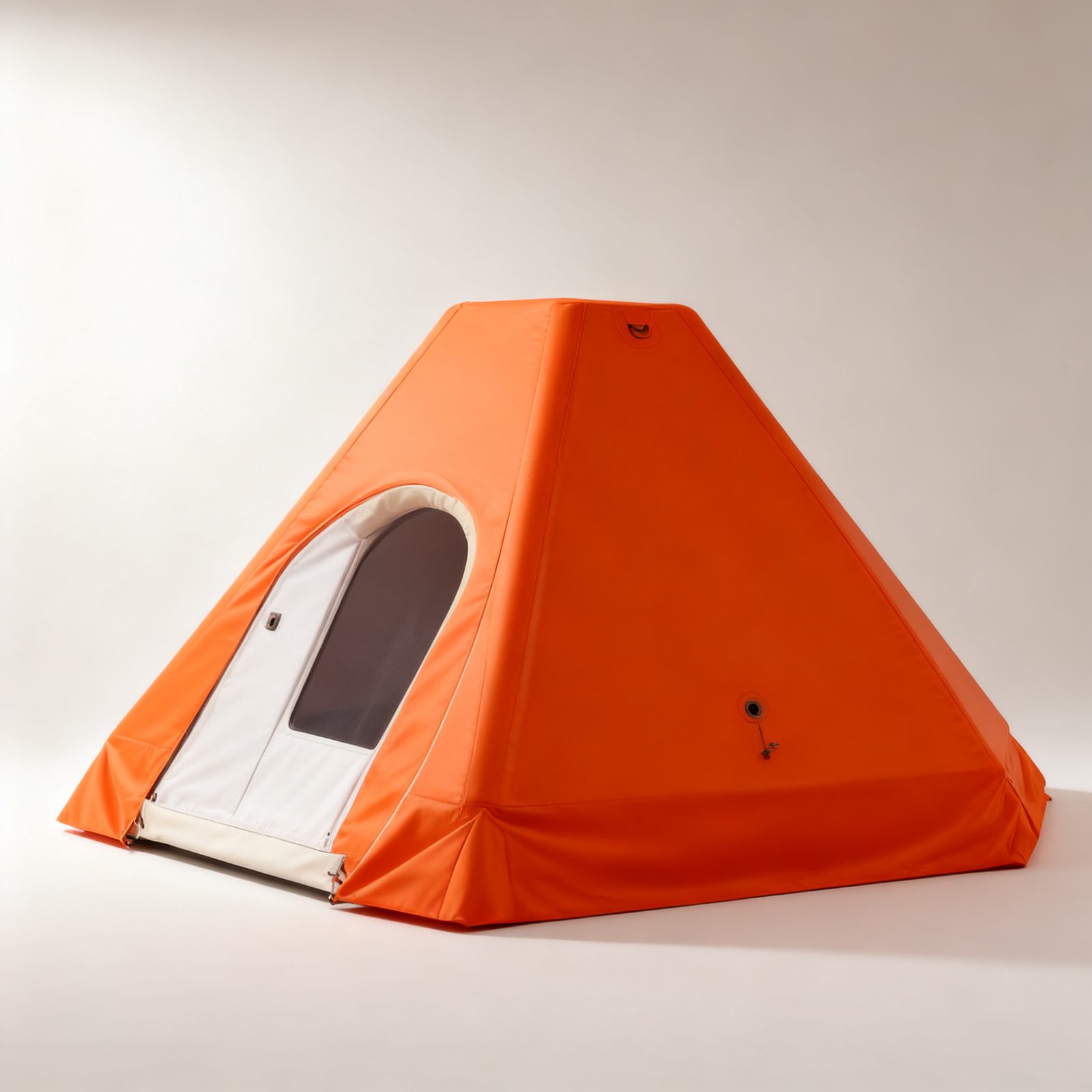
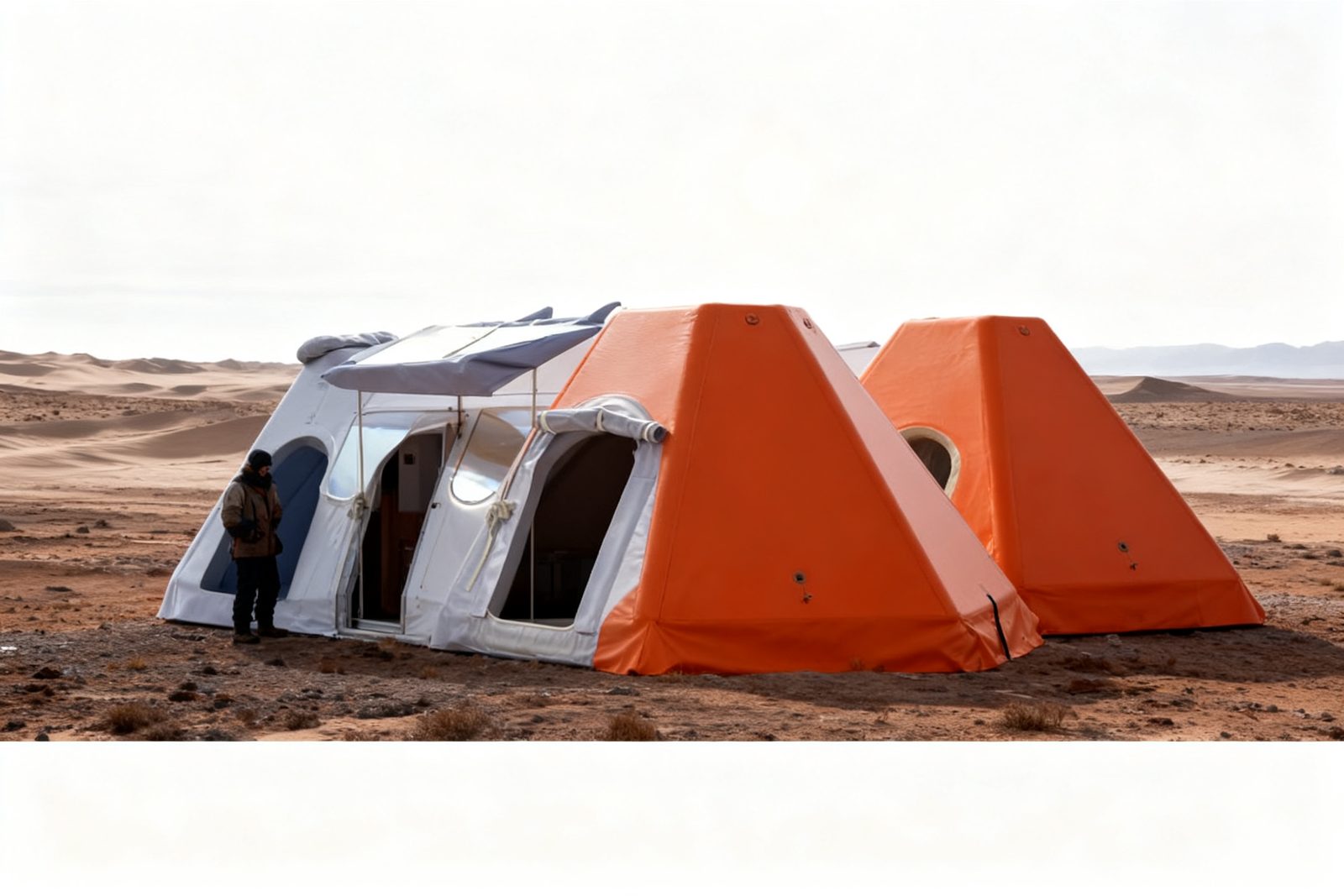
Sıcak, kurak, yüksek UV'lı bölgeler için yapılandırılmış şişme konaklama ve çalışma modülleri.
Tipik kullanım
- Petrol ve gaz keşif kampları
- Çöl yolu ve boru hattı inşaatı
- Çöl turizmi ve sefer bazları
- Kurak teatrelerdeki askeri konuşlandırmalar
Neden şişme yapı
- Hazırlanmış bir temel olmadan kum üzerinde kurulur
- Tek tabaka bir çadırdan daha iyi yalıtım sağlar
- Çalışma frontları ilerledikçe kolayca taşınır
Bunun doğru seçim olmadığı durumlar
Çöl UV'si ve günlük sıcaklık dalgası altında hizmet ömrü gerçek yaşlanma verilerinden gelmelidir. Orta Doğu alıcıları tam olarak bu konuda en sert basmaktadır ve henüz raporumuz yoktur — tahmin etmek yerine bunu söyleyeceğiz.
Teknik veriler üretici nezdinde doğrulanıyor
Çalışma basıncı, membran kalınlığı, çekme ve yırtılma dayanımı, ağırlık, paket hacmi, konuşlandırılmış boyutlar, yangın sınıfı ve garanti, üretim ortağımız ve bağımsız laboratuvarlarla doğrulanmaktadır. Sayılarını belgelenirken yayınlarız, önceden değil.
Access-constrained deployment → Detayları gönderin →
Sayfa güncellendi 2026-10-13
Sık sorulan sorular
- Şişme barınaklar aşırı soğukta çalışır mı?
- Kaplama davranışı düşük sıcaklıkta değişir — PVC sertleşir, TPU esnek kalır. Belirli kumaş üzerinde düşük sıcaklık test verisi olmadan kutup veya arktik projeleri kabul etmiyoruz, çünkü eksi kırkta çatlayan bir duvar barınak değildir.
- Yol olmadığı yerlere barınaklar teslim edilebilir mi?
- Bu, onların varolmasının temel nedeni. Paket hacmi, bir uçağa veya tekneye kaç birim sığabileceğini belirler ve kurulum için krane veya eğitilmiş ekip gerekmez.
- Kum, kaya veya donmuş zemin üzerinde nasıl sabitlenirler?
- Sabitlenme siteye özgüdür ve en çok hafif alınan kısımdır. Kum, katı donmuş toprak ve kaya her biri için farklı bir demir tipi gerektirir ve yapı belirtilmeden önce sabitlenme planı anlaşılmalıdır.