مباني ومآوي · بيئة قاسية
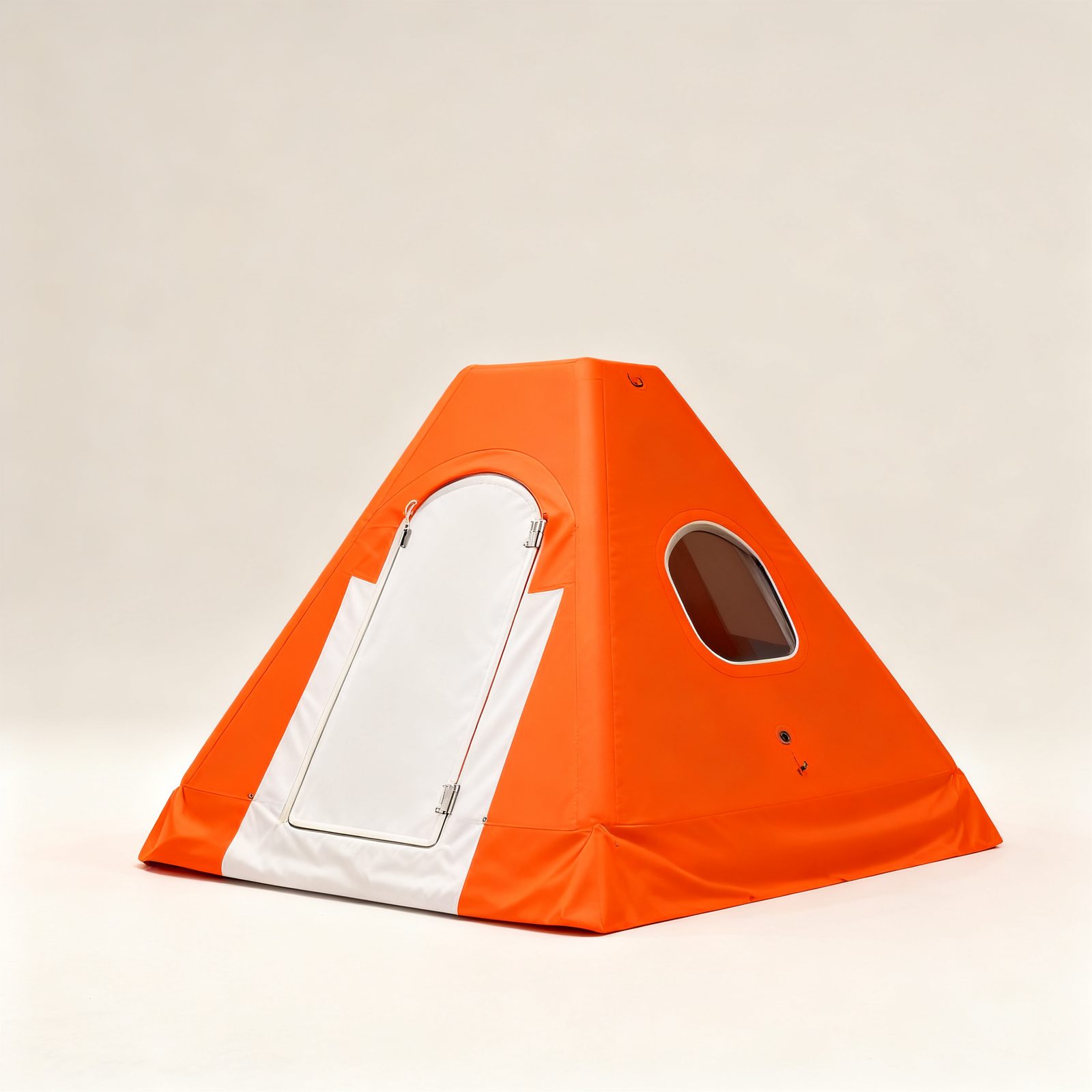
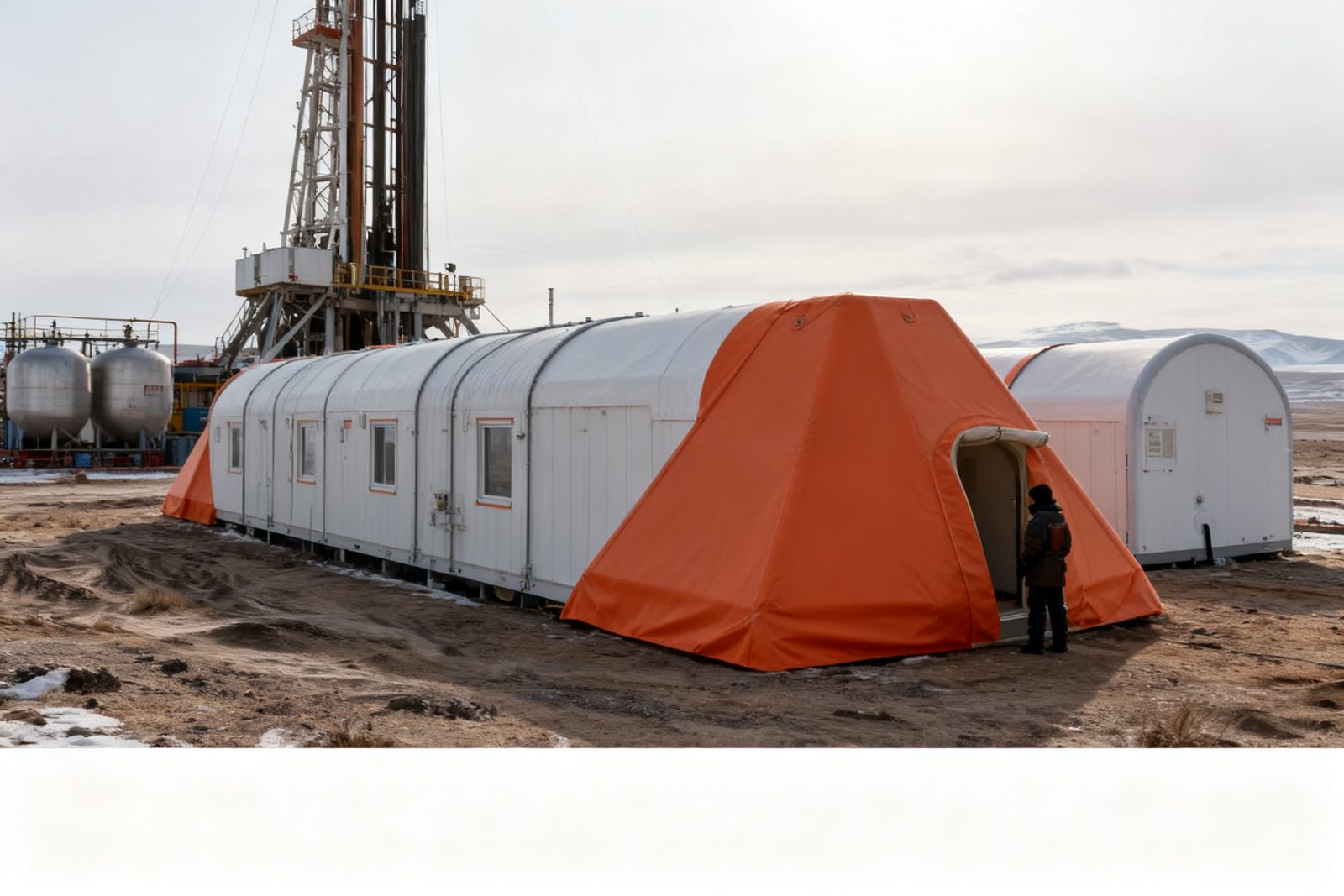
مخيم حقول النفط
مخيم حقل نفط
وحدات إقامة ومكاتب قابلة للنفخ لعمليات حقول النفط والغاز.
الاستخدامات النموذجية
- مخيمات العمليات الميدانية البرية
- إقامة مرحلة الحفر
- إنشاء خطوط الأنابيب على طول المسار
- إسكان الطواقم المتناوبة في المواقع النائية
لماذا هيكل قابل للنفخ
- عمر الموقع محدد، لذا نادرًا ما يحقق المبنى الدائم عائدًا
- ينتقل مع جهاز الحفر
- يُقام بدون معدات على أرض مجهزة أو غير مجهزة
متى لا يكون هذا الخيار المناسب
تخضع مواقع النفط والغاز لتصنيف إلزامي لمناطق الحريق والانفجار. يجب إثبات أداء مقاومة الحريق بتقرير من طرف ثالث ووضع الوحدة داخل منطقة مسموح بها. هذا متطلب سلامة لا يقبل التأويل.
المواصفات قيد التحقق مع الشركة المصنعة
يتم التحقق من ضغط التشغيل، سمك الغشاء، قوة الشد والتمزق، الوزن، الحجم المعبأ، الأبعاد عند النشر، تصنيف الحريق والضمان مع شريكنا المصنع والمختبرات المستقلة. ننشر الأرقام عندما تكون موثقة، وليس قبل ذلك.
Access-constrained deployment → أرسل التفاصيل →
تاريخ تحديث الصفحة 2026-10-13
الأسئلة الشائعة
- هل تعمل المآوي القابلة للنفخ في البرد القارس؟
- يتغير سلوك الطلاء في درجات الحرارة المنخفضة — يتصلب PVC، ويبقى TPU مرنًا. لا نقبل مشاريع قطبية أو في القطب الشمالي بدون بيانات اختبار درجات الحرارة المنخفضة على القماش المحدد، لأن الجدار الذي يتشقق عند درجة حرارة أربعين تحت الصفر ليس مأوى.
- هل يمكن تسليم المآوي حيث لا توجد طرق؟
- هذا هو السبب الرئيسي لوجودها. يحدد الحجم المعبأ عدد الوحدات التي تتسع في طائرة أو على متن قارب، ولا يتطلب تركيبها رافعة أو طاقمًا مدربًا.
- كيف يتم تثبيتها على الرمال أو الصخور أو الأرض المتجمدة؟
- التثبيت خاص بالموقع وهو الجزء الذي غالبًا ما يتم التقليل من شأنه. تحتاج الرمال والتربة الصقيعية والصخور كل منها إلى نوع مختلف من المرساة، ويجب الاتفاق على خطة التثبيت قبل تحديد مواصفات الهيكل.