Materials & Services · Fabrics
Blast-Resistant Laminate
抗爆复合膜材
Multi-layer laminated fabric for applications with impact protection requirements.
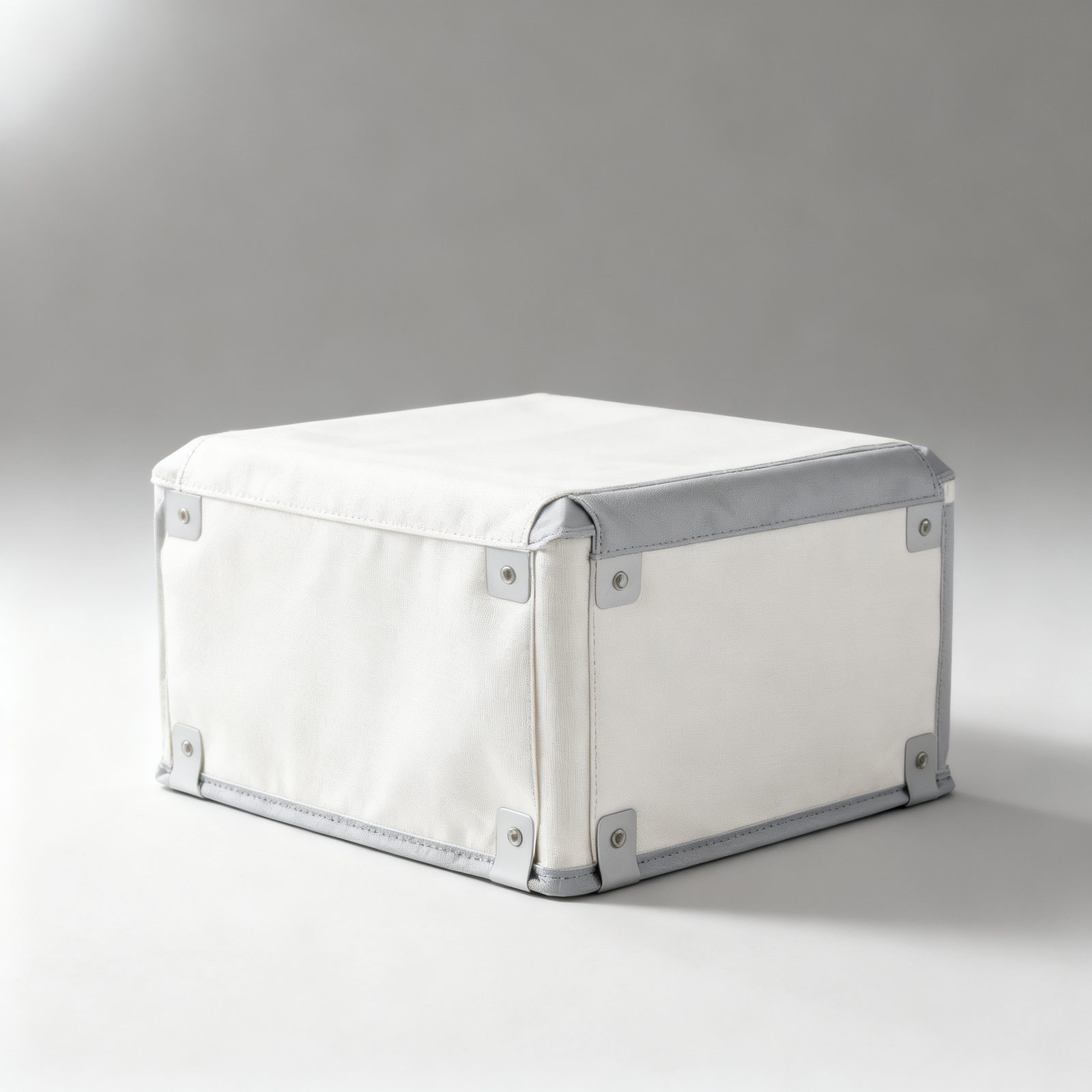
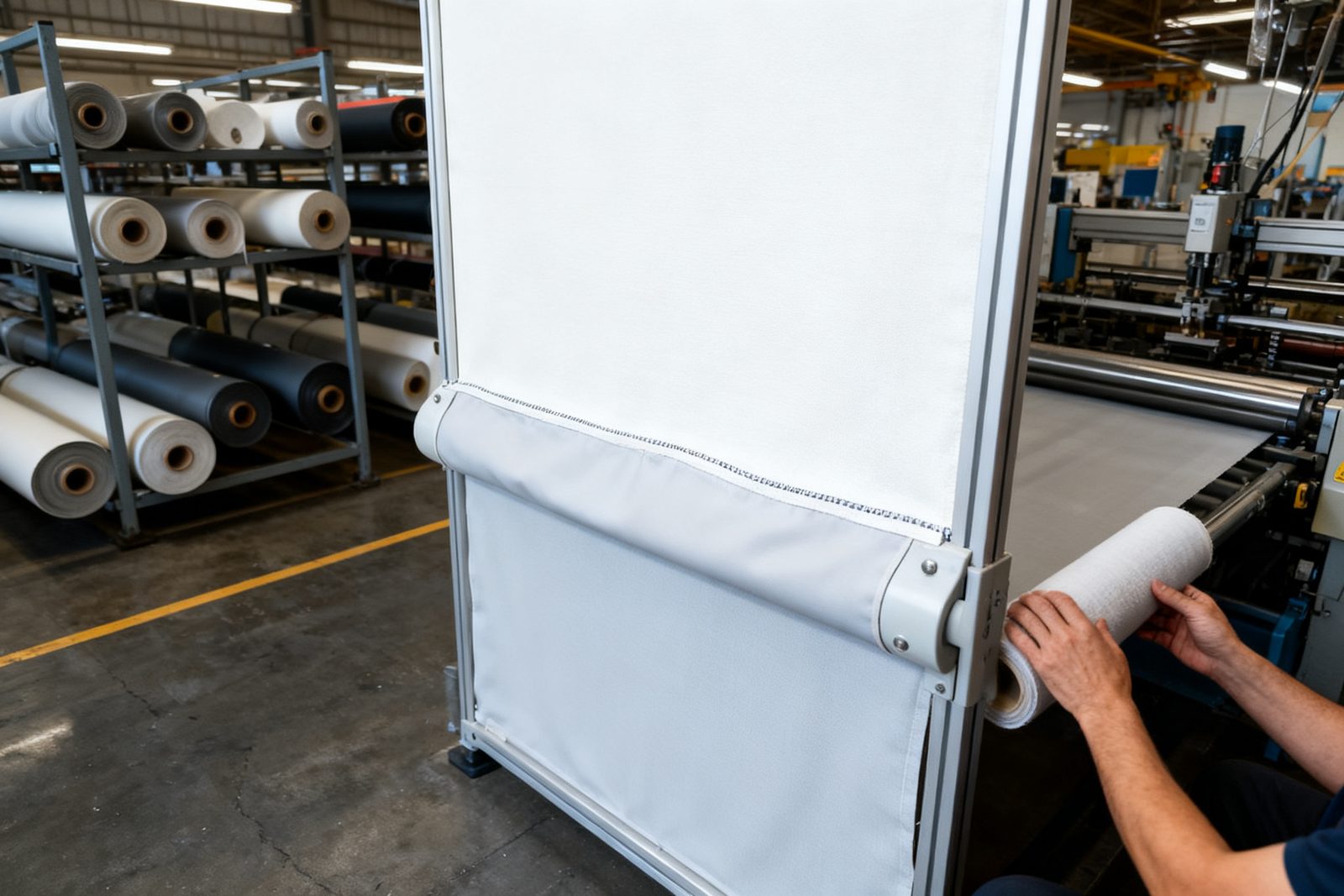
典型场景
- Military structures with protection requirements
- Isolation in hazardous work areas
- Protection of security-sensitive positions
为什么选充气结构
- Multi-layer lamination improves impact and tear resistance
不适合什么
Blast and ballistic performance require dedicated test reports. Until those exist we do not use the words 'blast-resistant' or 'ballistic' in customer communication — in defence procurement those terms constitute a warranty and getting them wrong carries liability.
参数待厂方核实后补充
工作压力、膜材厚度、抗拉与抗撕裂强度、整机重量、收纳体积、展开尺寸、阻燃等级与质保期,正在与制造方及第三方实验室核实。有文件才发数字,没有就不发。
Fabric and contract manufacturing → 发送项目信息 →
本页更新于 2026-10-12
常见问题
- What is drop-stitch fabric?
- Drop-stitch fabric is two layers of coated base cloth joined by tens of thousands of internal threads of equal length. Inflated, those threads hold the two faces parallel, turning the fabric into a rigid panel with defined thickness.
- How is drop-stitch fabric made?
- The two faces and the connecting threads are woven or knitted together on a specialised machine, then coated with PVC or TPU. The thread structure is created during weaving and cannot be added afterwards.
- What thickness of drop-stitch fabric is available?
- Commercially available chamber depth runs roughly five to thirty centimetres, covering paddleboards, boat decks, gym mats and most shelter walls. Anything outside that band should be confirmed with the mill before you design around it.
- Is TPU better than PVC for drop-stitch?
- TPU stays flexible in cold, ages better under UV and is lighter for the same strength; PVC costs less, welds faster and offers a wider colour range. For temperate seasonal use PVC is usually the right commercial answer.